

公司新闻
浅谈沥青路面就地冷再生施工质量控制
A Brief Discussion on Quality Control of On site Cold Recycling Construction of Asphalt Pavement
摘要:本文沥青路面冷再生技术作一些首先对结合工程实际,就沥青路面就地冷再生施工质量控制谈一些看法。
Abstract: This article discusses the cold recycling technology for asphalt pavement. Firstly, based on practical engineering, some opinions are given on the quality control of on-site cold recycling construction for asphalt pavement.
关键词:沥青路面 就地冷再生 施工 质量控制
Keywords: on-site cold recycling of asphalt pavement, construction quality control
道路就地冷再生属于道路维修、改造的范畴,不仅适用于高等级公路的维修与改造,也适用于一般道路及乡间公路的维修与改造。它主要解决沥青路面上基层破损的问题。具体讲,过去主要是用于等级低的道路或铺筑基层使用,国外多用于乡村道路的翻修,近几年已开始应用于重交通道路上。本文结合工程实际,就沥青路面就地冷再生施工质量控制谈一些看法。
On site cold recycling of roads belongs to the category of road maintenance and renovation, which is not only applicable to the maintenance and renovation of high-grade highways, but also to the maintenance and renovation of general roads and rural roads. It mainly solves the problem of base damage on asphalt pavement. Specifically, in the past, it was mainly used for low-grade roads or paving base layers, and abroad it is mostly used for the renovation of rural roads. In recent years, it has begun to be applied to heavy traffic roads. This article discusses some opinions on the quality control of on-site cold recycling construction of asphalt pavement based on engineering practice.
一、沥青路面冷再生技术概述
1、 Overview of Cold Recycling Technology for Asphalt Pavement
1、就地冷再生技术
1. On site cold regeneration technology
沥青路面再生技术不是一项单一的技术,而是一类技术的总称。各国的分类方式不尽相同。中国《公路沥青路面再生技术规范》(JTGF41—2008)将沥青路面再生技术分为4类,分别是厂拌热再生、就地热再生、厂拌冷再生、就地冷再生。就地冷再生是指采用专用的就地冷再生设备,对沥青路面掺入一定数量的新集料、再生结合料、活性填料(水泥、石灰等)、水等材料后,进行现场铣刨、破碎、拌和、整形、摊铺、突出等工序,实现旧沥青路面再生的技术,它包括沥青层就地冷再生和全深式就地冷再生2种方式。仅对沥青材料层进行的就地再生称为沥青层就地冷再生:再生层既包括沥青材料层又包括非沥青材料层的称为全深式就地冷再生。沥青路面就地冷再生并不是人们通常所理解的将已经破损的沥青路面重新恢复到完好的原始状态,而是将旧面层和部分基层就地改建成新的基层或底基层。此技术使旧沥青路面材料得到充分再利用。
Asphalt pavement regeneration technology is not a single technology, but a general term for a class of technologies. The classification methods vary from country to country. The "Technical Specification for Highway Asphalt Pavement Recycling" (JTGF41-2008) in China divides asphalt pavement recycling technology into four categories: factory mixed hot recycling, on-site hot recycling, factory mixed cold recycling, and on-site cold recycling. On site cold recycling refers to the technology of using specialized on-site cold recycling equipment to mix a certain amount of new aggregates, recycled binders, active fillers (cement, lime, etc.), water and other materials into asphalt pavement, and then carry out on-site milling, crushing, mixing, shaping, paving, rolling and other processes to achieve the regeneration of old asphalt pavement. It includes two methods: on-site cold recycling of asphalt layer and full depth on-site cold recycling. The in-situ regeneration of only the asphalt material layer is called in-situ cold regeneration of the asphalt layer; the regeneration layer that includes both the asphalt material layer and the non asphalt material layer is called full depth in-situ cold regeneration. On site cold recycling of asphalt pavement is not the usual understanding of restoring damaged asphalt pavement to its original state, but rather rebuilding the old surface layer and some base layers into new base or sub base layers on site. This technology enables the full reuse of old asphalt pavement materials.
2、优点
2. Advantages
冷再生技术在国内迅速推广应用的原因在于该技术带来的种种好处。它的主要优点包括:
The reason for the rapid promotion and application of cold recycling technology in China is due to the various benefits it brings. Its main advantages include:
(1)环境保护。充分利用现有路面材料,减少因开采料场和开挖土基所造成的生态破坏;由于减少原材料运输量,降低了能源消耗及运输车队给路网带来的不利影响。
(1) Environmental protection. Fully utilize existing pavement materials to reduce ecological damage caused by mining material yards and excavating soil foundations; Due to the reduction in raw material transportation volume, energy consumption and the adverse impact of transportation fleets on the road network have been reduced.
(2)再生层质量可有效控制。由于机械设备的微机控制,各种材料的添加量可进行有效控制。再生料、水和粘结剂连续、充分的拌和确保了再生层的施工质量。
(2) The quality of the regeneration layer can be effectively controlled. Due to the microcomputer control of mechanical equipment, the amount of various materials added can be effectively controlled. The continuous and thorough mixing of recycled materials, water, and binders ensures the construction quality of the recycled layer.
(3)结构的完整性。粒料机械化破碎翻拌,形成均匀的粘结层,加之重型压实机械充分压实,路面结构中不会出现薄弱界面,能确保结构的完整性。
(3) The integrity of the structure. Mechanized crushing and mixing of granular materials to form a uniform bonding layer, coupled with sufficient compaction by heavy-duty machinery, will not result in weak interfaces in the pavement structure, ensuring the integrity of the structure.
(4)提高旧路面结构强度等级。除能恢复旧路的原设计能力外,还可以通过基层承载能力的提高,从根本上实现道路结构强度等级的提高。
(4) Improve the strength grade of the old road surface structure. In addition to restoring the original design capacity of the old road, it is also possible to fundamentally improve the strength level of the road structure by increasing the bearing capacity of the grassroots.
(5)缩短施工工期。与其他维修施工工艺相比较,就地冷再生工艺施工工期短、机械化作业程度高,这对道路通行大有好处,因为它降低了道路中断交通的时间。
(5) Shorten the construction period. Compared with other maintenance and construction techniques, the on-site cold recycling process has a shorter construction period and a higher degree of mechanization, which is greatly beneficial for road traffic as it reduces the time of road interruption.
(6)交通安全和环境影响。就地冷再生机组均处于同一条车道内流水施工,可有效控制施工范围,减少对交通的影响。采用就地冷再生技术避免了材料的来回运输,消除了由于材料运输对交通的影响以及材料粉尘对道路周围环境的影响。
(6) Traffic safety and environmental impact. The on-site cold recycling units are all constructed in the same lane, which can effectively control the construction scope and reduce the impact on traffic. The use of on-site cold recycling technology avoids the back and forth transportation of materials, eliminating the impact of material transportation on traffic and the influence of material dust on the surrounding environment of the road.
(7)节约成本。原路面材料全部利用,冷再生工艺与传统施工方法相比,可节约25%左右的成本。
(7) Save costs. All raw road materials are utilized, and compared with traditional construction methods, cold recycling technology can save about 25% of costs.
3、设备
3. Equipment
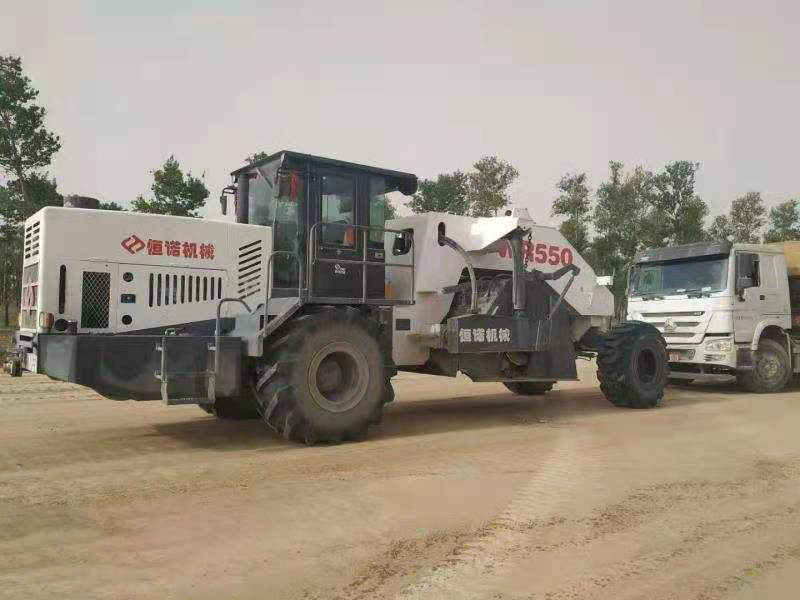
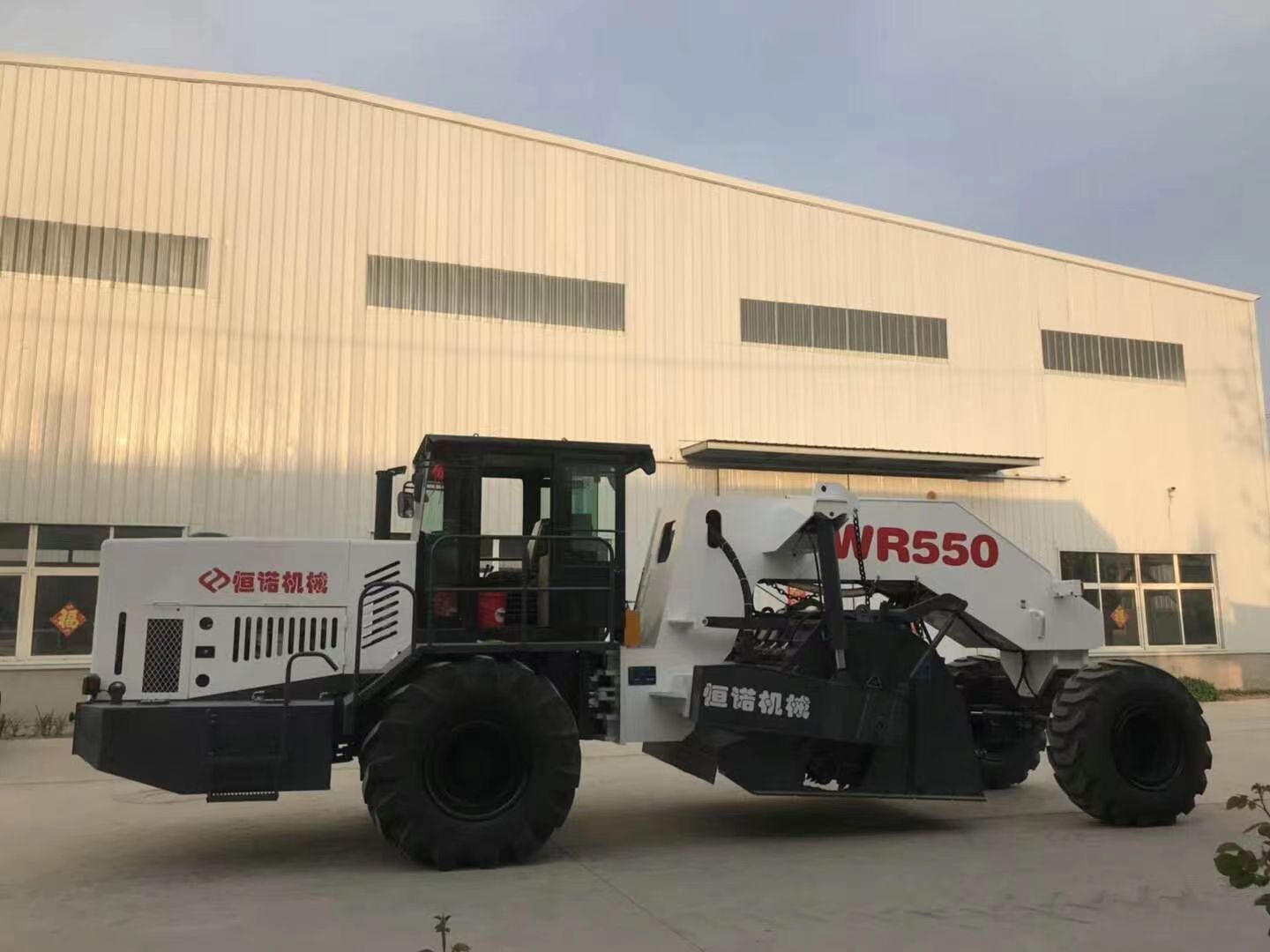
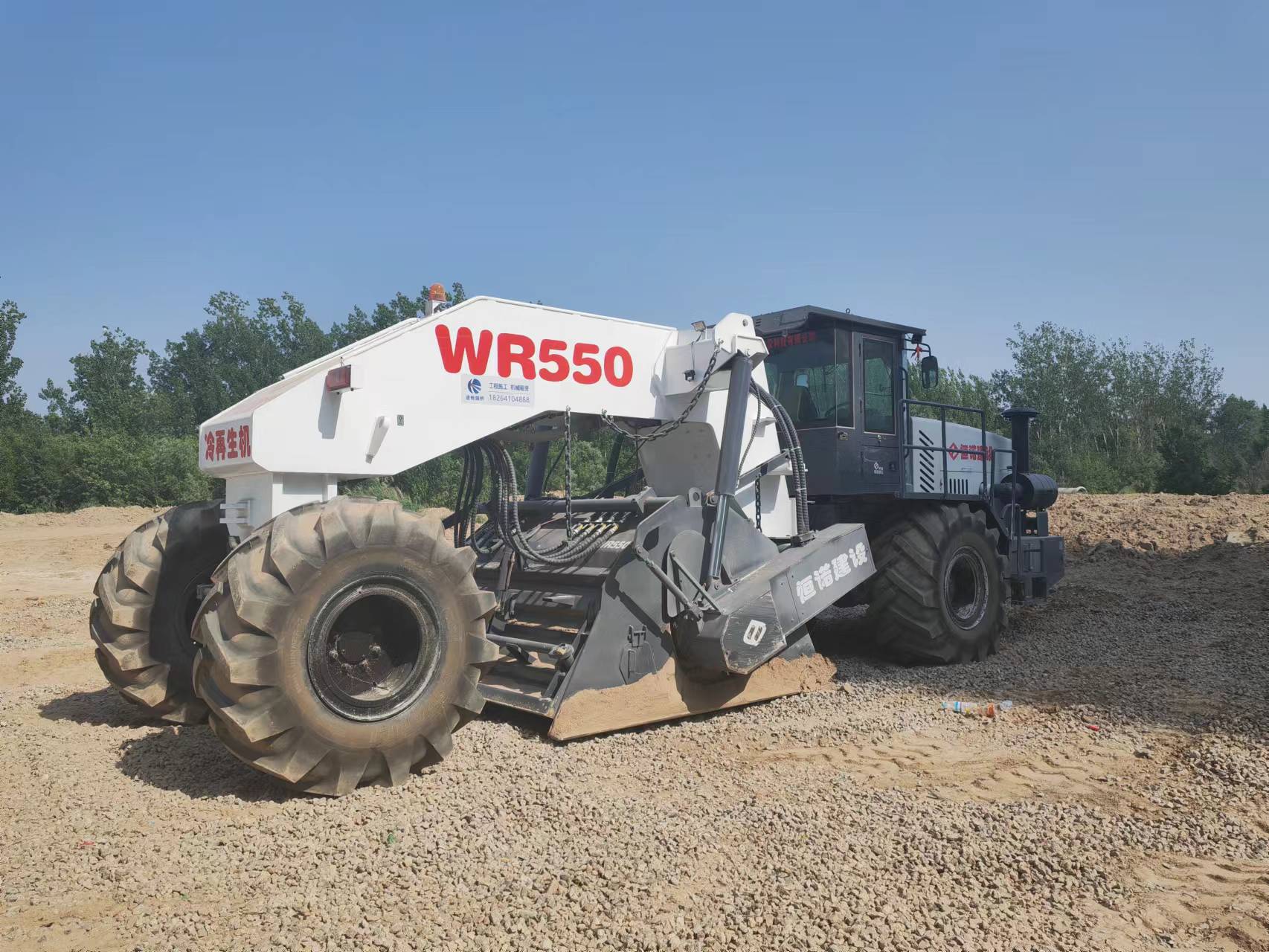
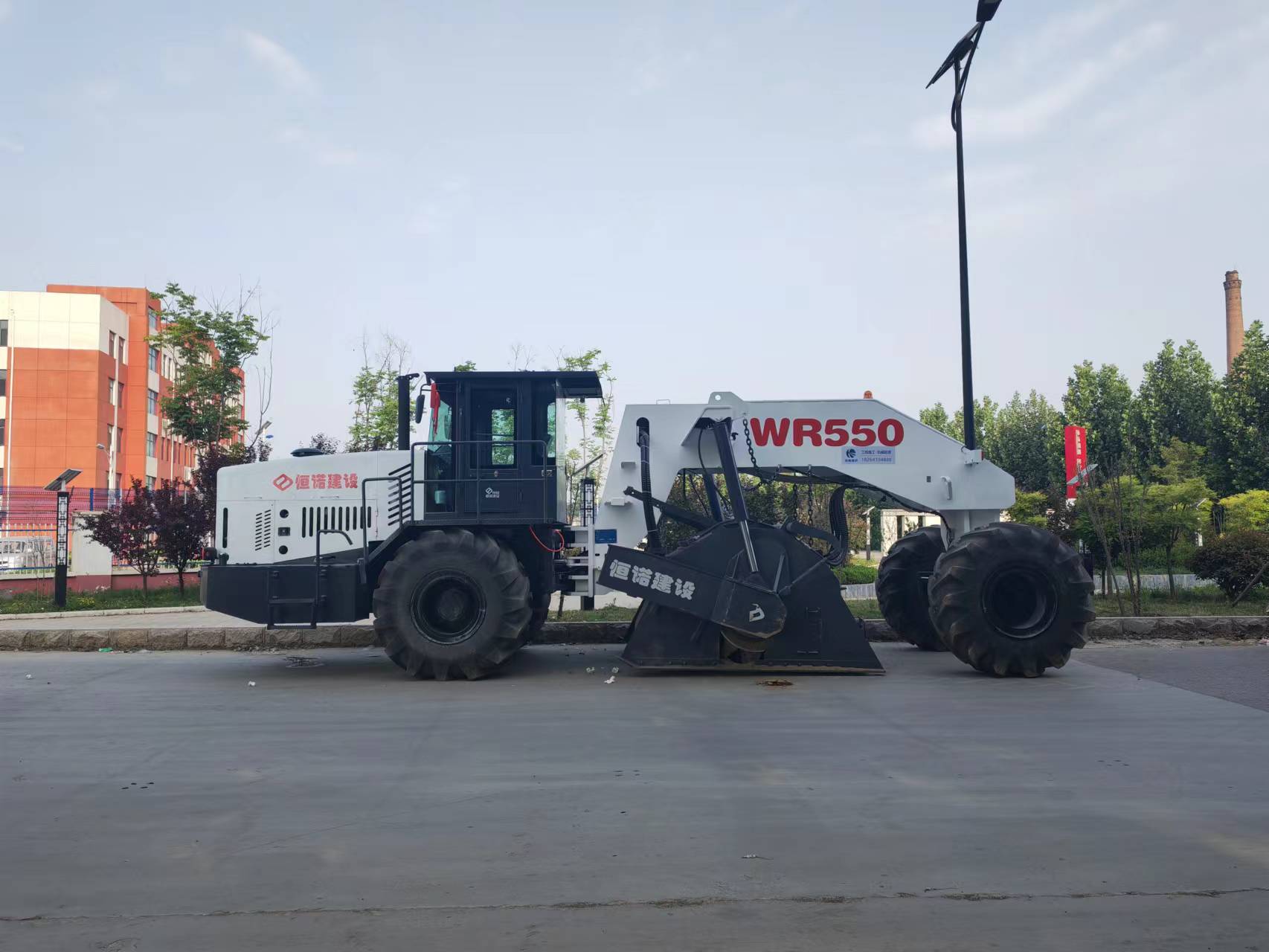
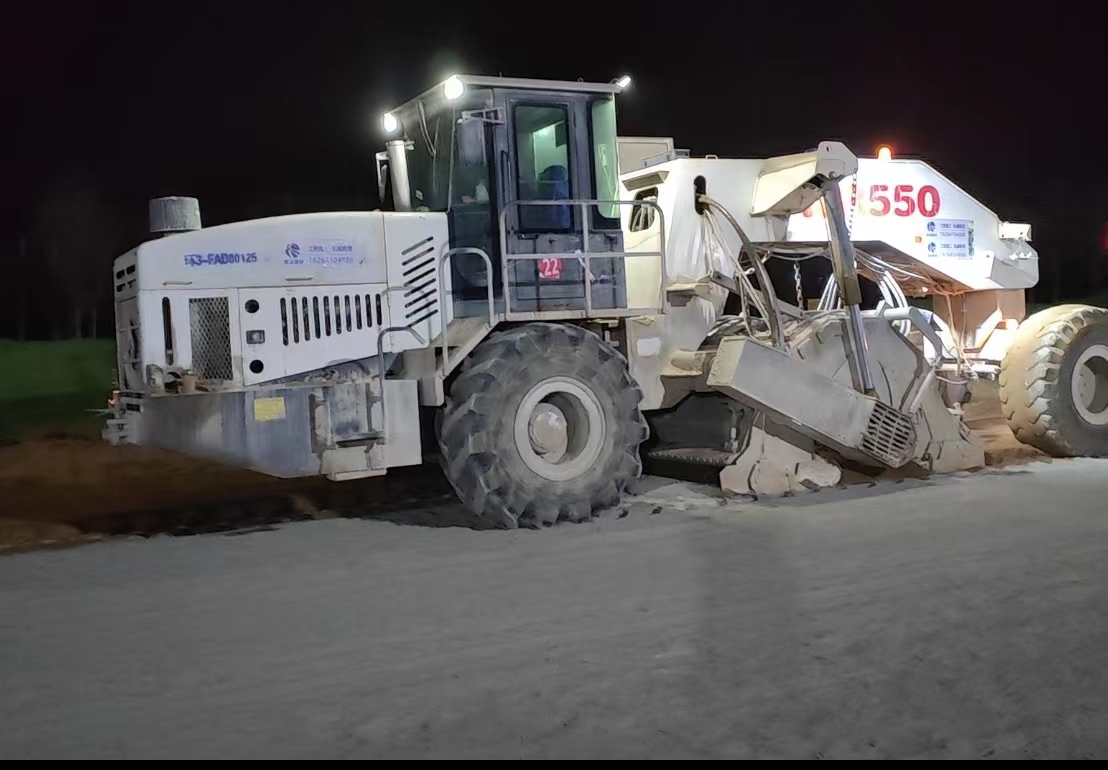
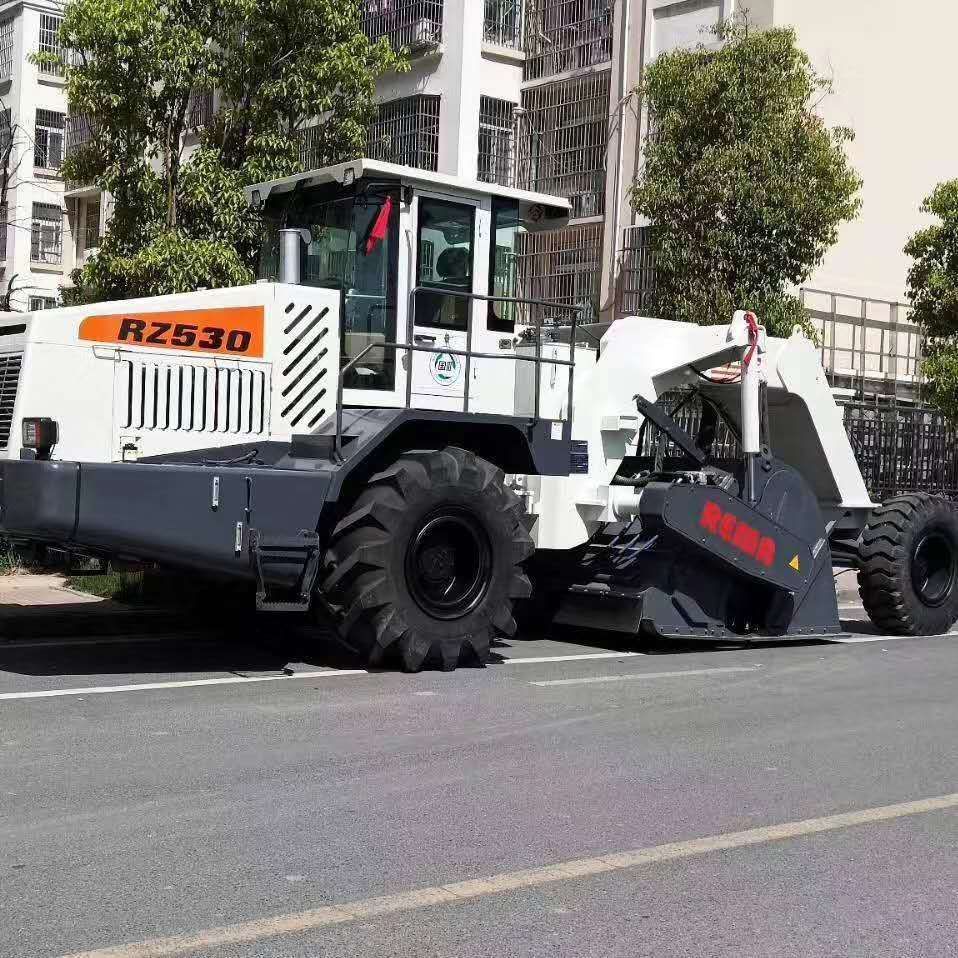
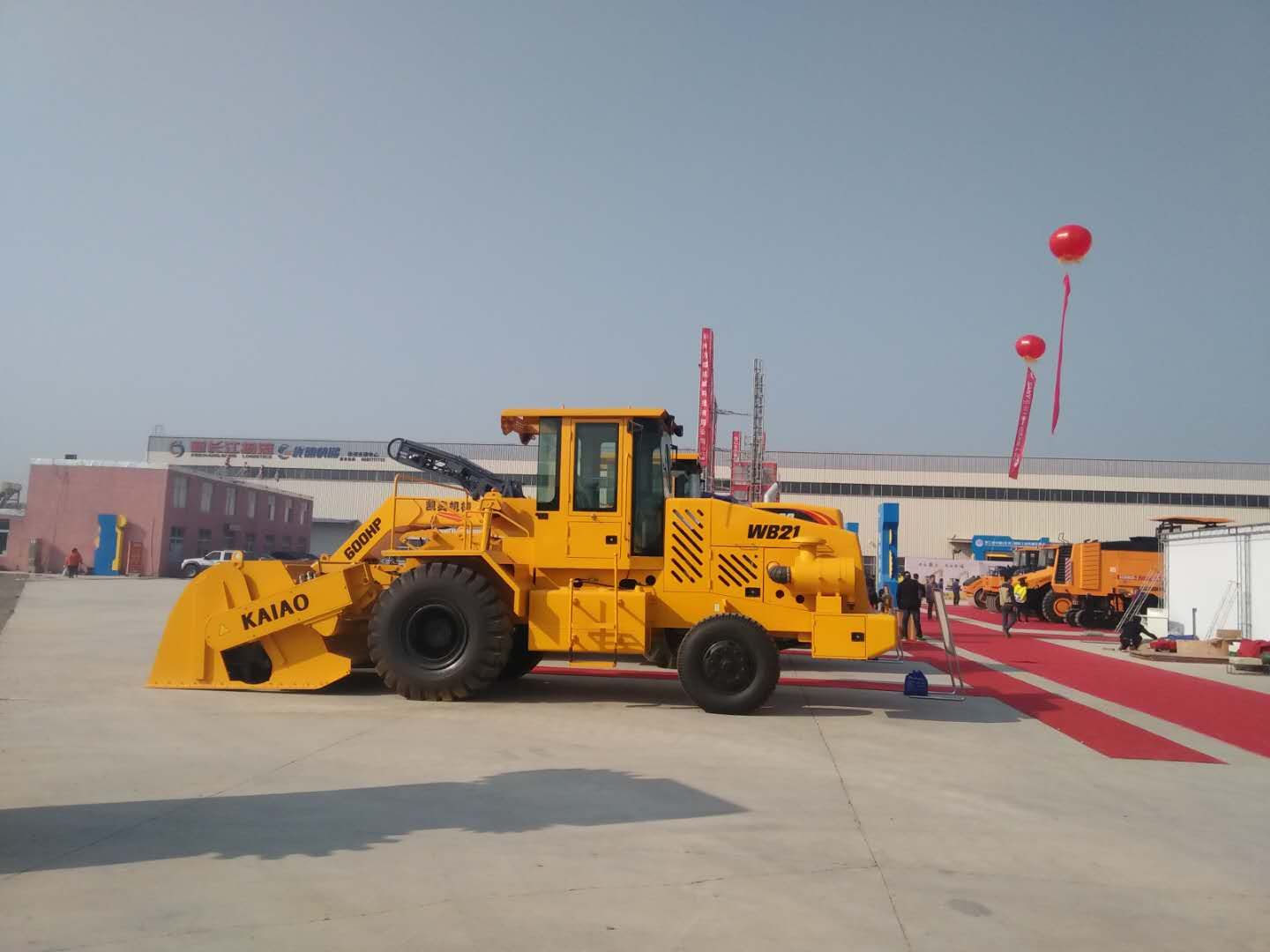
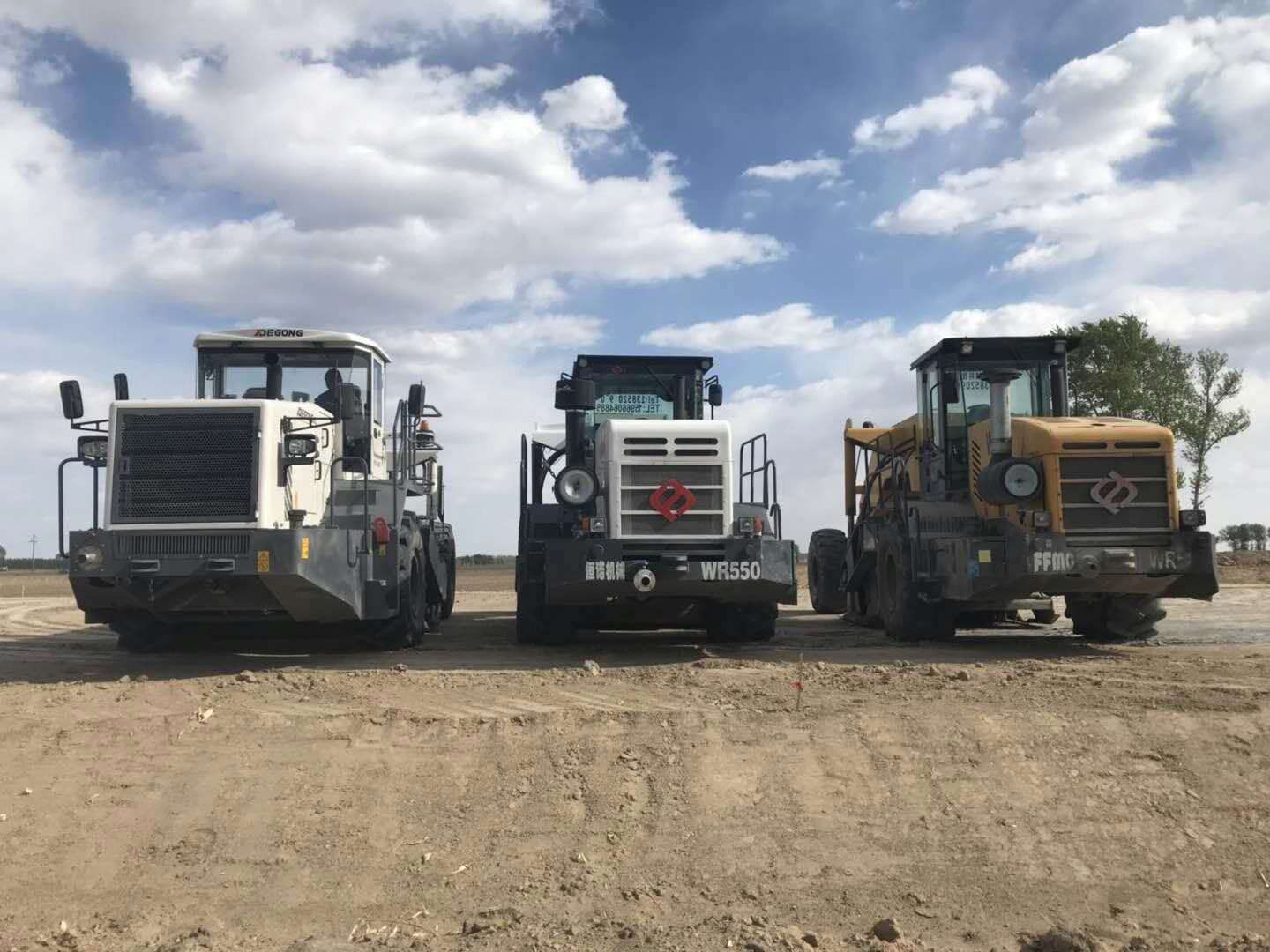
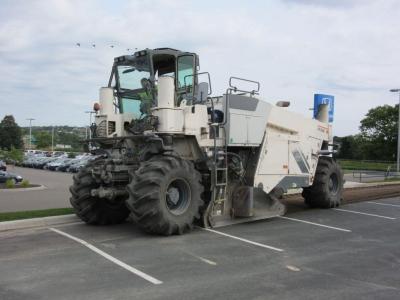
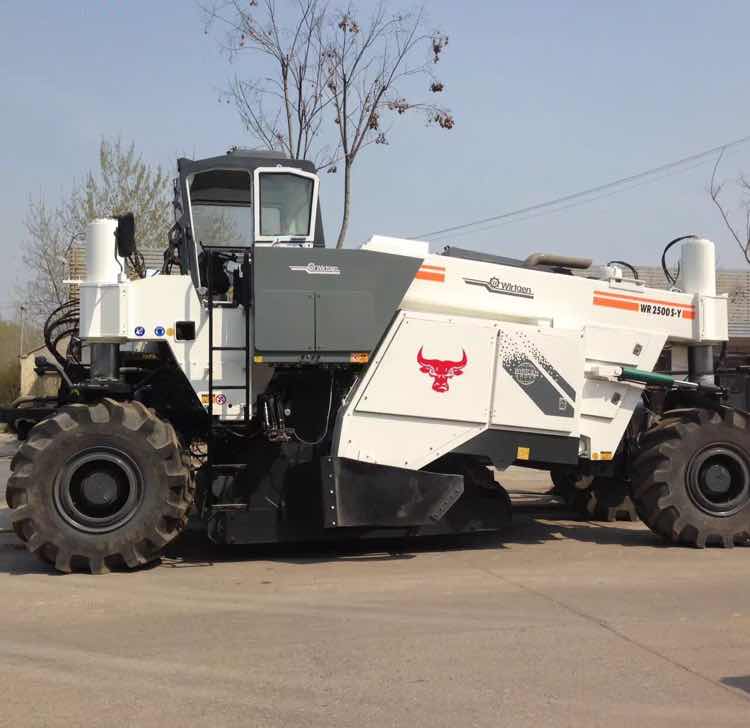
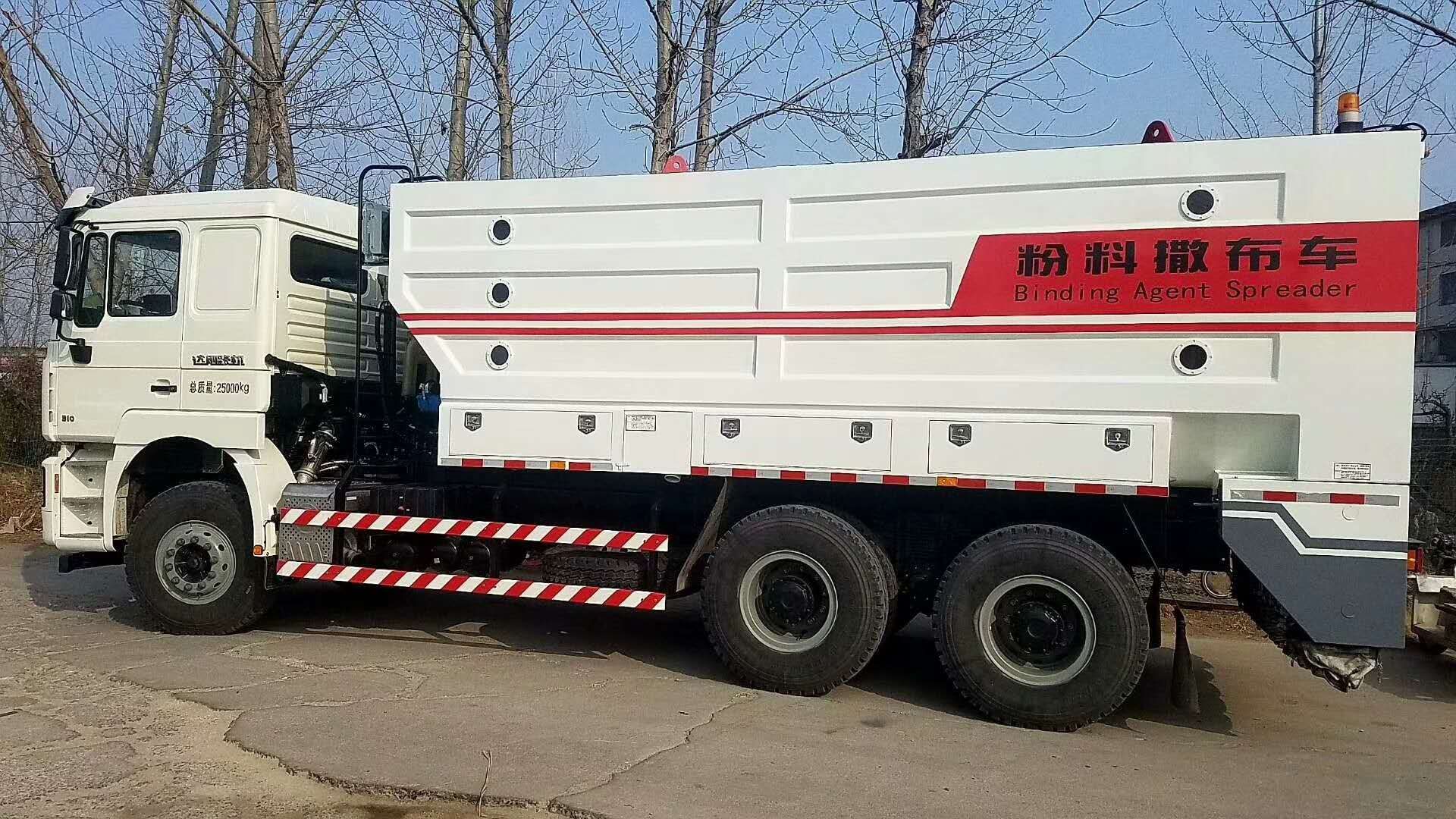
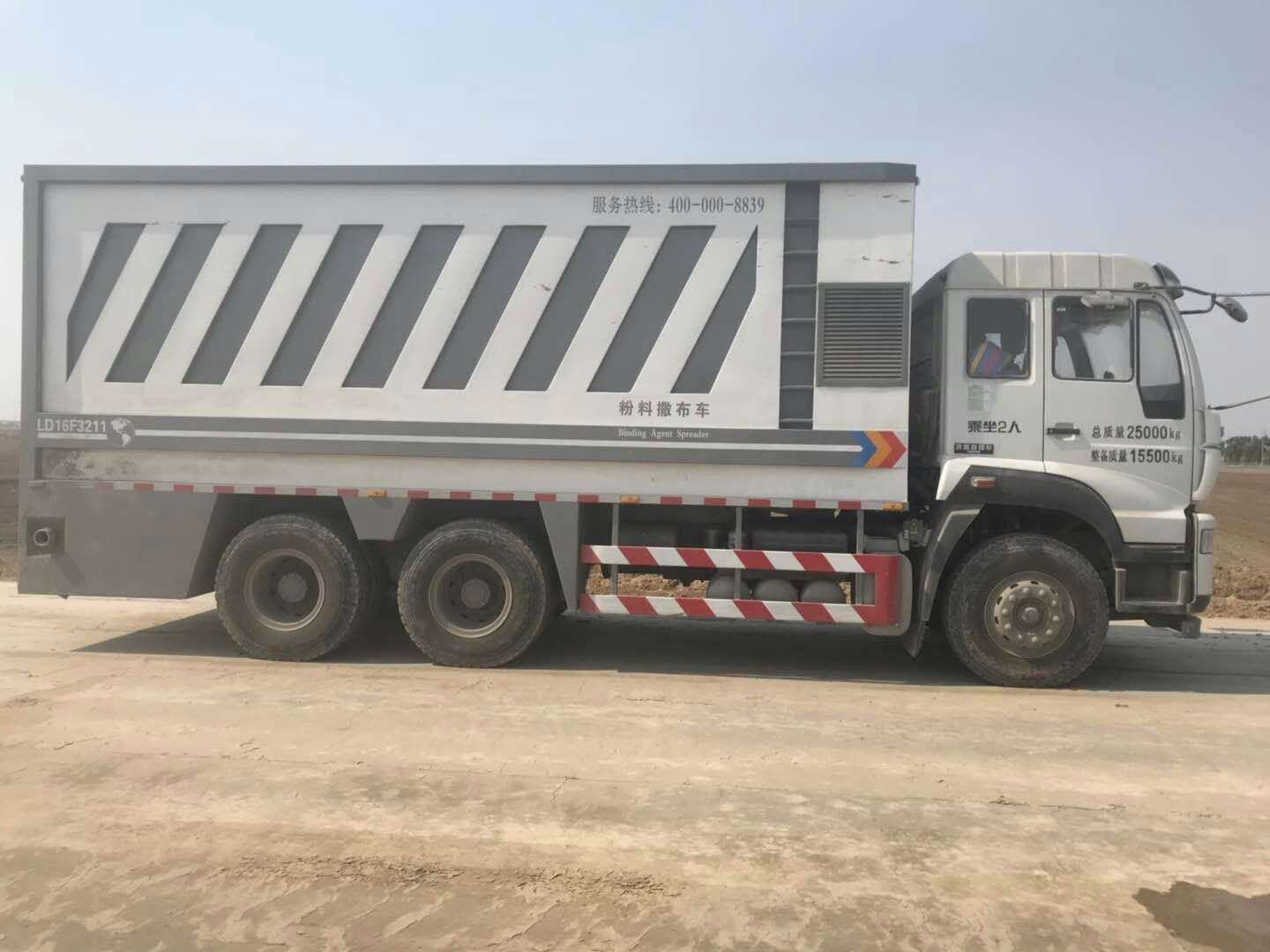
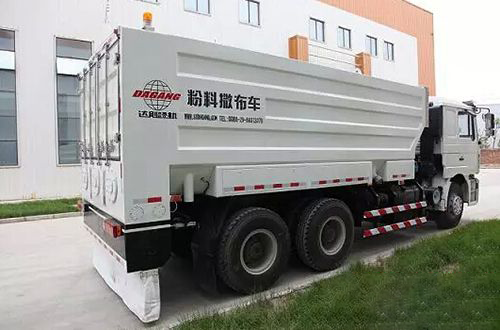
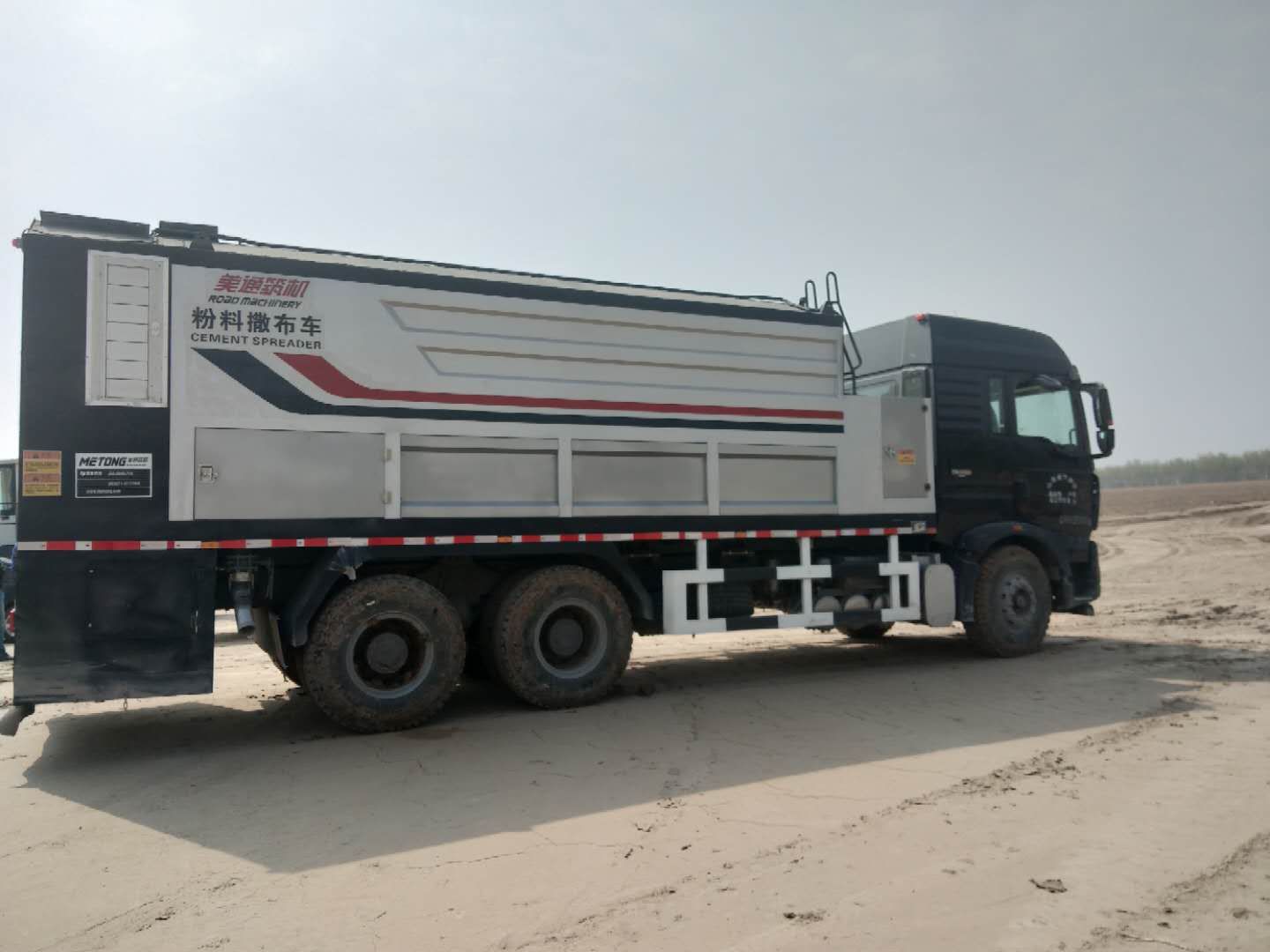
就地冷再生机是沥青路面冷再生施工中的主要设备,冷再生机的核心是装有大量专用刀头的铣刨和拌和转子。冷再生机向前行进时,转子向上旋转铣刨原路面材料,同时,水通过软管从就地冷再生机连接的水车中输送过来,并在再生机的拌和仓中喷洒。水的输送量通过微处理器控制的泵送系统准确控制,以达到需要的非常佳含水量。铣刨转子将水与铣刨料充分拌和。液体稳定剂例如热沥青(冷再生机自带泡沫沥青发泡装置,可将热沥青加热到160℃~180℃,与少量水混合发泡)可通过专门设计的喷洒嘴被喷洒到拌和腔;粉状稳定剂如水泥需按设计添加量事先洒布在再生机前的路面上,再生机将粉状稳定剂与再生料和水一次性拌和。如遇再生层原级配不良的情况,可在再生前将所缺少的部分集料洒布在路面上,通过与旧料拌和来改善原路面材料的级配。
On site cold recycling machine is the main equipment in asphalt pavement cold recycling construction. The core of the cold recycling machine is a milling and mixing rotor equipped with a large number of specialized cutting heads. When the cold recycling machine moves forward, the rotor rotates upward to mill the raw road material. At the same time, water is transported from the water truck connected to the on-site cold recycling machine through a hose and sprayed in the mixing bin of the recycling machine. The water delivery volume is precisely controlled by a microprocessor controlled pumping system to achieve the desired optimal water content. The milling rotor thoroughly mixes water with the milling material. Liquid stabilizers such as hot asphalt (the cold regenerator has its own foam asphalt foaming device, which can heat the hot asphalt to 160 ℃~180 ℃ and mix it with a small amount of water for foaming) can be sprayed to the mixing chamber through specially designed spray nozzles; Powdered stabilizers such as cement need to be pre sprayed on the road surface in front of the recycling machine according to the designed addition amount. The recycling machine mixes the powdered stabilizer with the recycled material and water at once. In case of poor grading of the recycled layer, the missing aggregate can be sprinkled on the road surface before regeneration, and the grading of the original road material can be improved by mixing it with the old material.
二、施工质量控制要点
2、 Key points of construction quality control
1、工程概况
1. Project Overview
广西某公路路面结构组合为5cm厚黑色碎石+15cm厚水泥石灰土碎石+32cm厚石灰土,道路缺乏正常养护,路面面层损坏严重,坑槽连片。路面改造设计中,实测弯沉值,90%测点弯沉值均在70(0.01mm)以内,10%测点大于70(0.01mm),且大多为突变点;经过突变点位置核实,为坑槽、翻浆病害。通过钻芯取样,发现石灰土层完好,水泥石灰土碎石层厚度偏小,薄厚不一,石灰、石子含量不均,是造成路面面层损坏的主要因素。由此可判断旧路承载能力仍较完好,可重复利用旧路基层进行冷再生。
The pavement structure of a certain highway in Guangxi is composed of 5cm thick black crushed stone, 15cm thick cement lime soil crushed stone, and 32cm thick lime soil. The road lacks normal maintenance, and the pavement surface layer is severely damaged with continuous potholes. In road surface renovation design, the measured deflection values show that 90% of the measurement points have deflection values within 70 (0.01mm), and 10% of the measurement points have deflection values greater than 70 (0.01mm), and most of them are abrupt changes; After verifying the location of the mutation point, it was found to be a pit or mud turning disease. Through core sampling, it was found that the lime soil layer is intact, while the cement lime soil gravel layer has a relatively small thickness and uneven thickness. The uneven content of lime and stones is the main factor causing damage to the road surface layer. From this, it can be concluded that the bearing capacity of the old road is still relatively intact, and the old road base can be reused for cold regeneration.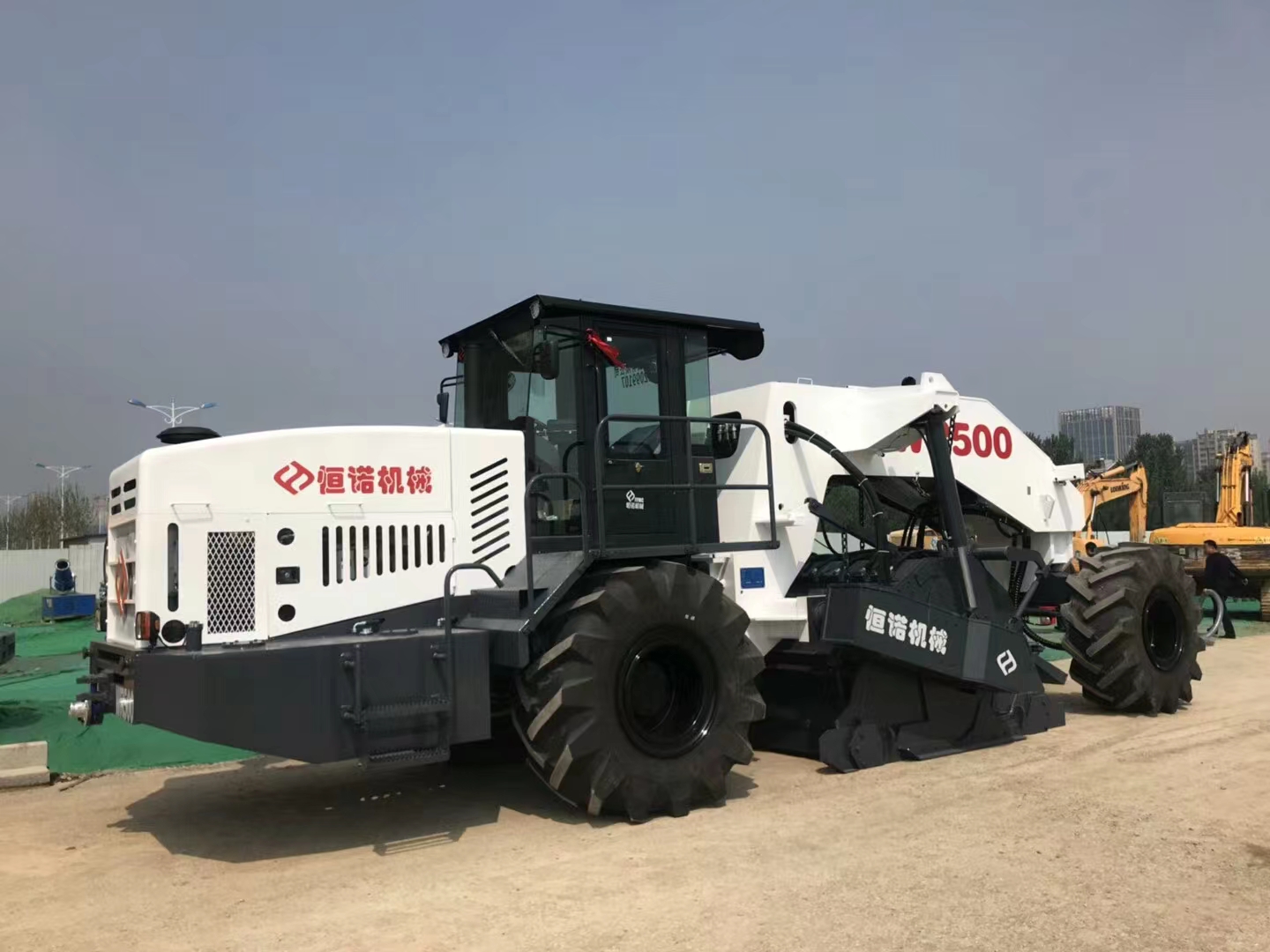
2、施工准备阶段质量控制要点
2. Key points of quality control during the construction preparation stage
(1)冷再生混合料设计。原路面5cm厚黑色碎石+15cm厚水泥石灰土碎石,参加普通32.5水泥后形成的冷再生混合料,7d无侧限抗压强度为1.75MPa。冷再生混合料配配合比设计如下:
(1) Design of cold recycled mixtures. The original road surface is composed of 5cm thick black crushed stone and 15cm thick cement lime soil crushed stone, mixed with ordinary 32.5 cement to form a cold recycled mixture. The unconfined compressive strength after 7 days is 1.75MPa. The mix proportion design of cold recycled mixture is as follows:
①原材料。主要包括原路面旧混合料材料、再生剂P032.5普通水泥以及工程用水等。
① Raw materials. It mainly includes old pavement mixture materials, regeneration agent P032.5 ordinary cement, and engineering water.
②冷再生混合料击实试验。在击实再生混合料的试验进行前,拟定了不同剂量的水泥掺加量,从水泥剂量为4.0%开始每隔0.5%作为一组,就5.0%的水泥剂量配比还设计了延时3h的试验。
② Cold recycling mixture compaction test. Before conducting the experiment of compacting the recycled mixture, different dosages of cement were determined. Starting from a cement dosage of 4.0%, every 0.5% was set as a group, and a 3-hour delay experiment was also designed for the 5.0% cement dosage ratio.
③冷再生混合料抗压强度试验。冷再生混合料抗压强度试验结果表明,水泥剂量小于4.0%时,冷再生混合料的抗压强度不能满足设计要求;水泥剂量为4.5%、5.0%时,冷再生混合料的抗压强度满足设计要求,但从施工水平考虑,该路段施工时生产配比采用5.0%的水泥剂量。
③ Cold recycled mixture compressive strength test. The compressive strength test results of cold recycled mixture show that when the cement dosage is less than 4.0%, the compressive strength of cold recycled mixture cannot meet the design requirements; When the cement dosage is 4.5% and 5.0%, the compressive strength of the cold recycled mixture meets the design requirements. However, considering the construction level, a cement dosage of 5.0% is used for the production ratio during the construction of this section.
(2)施工机械:
(2) Construction machinery:
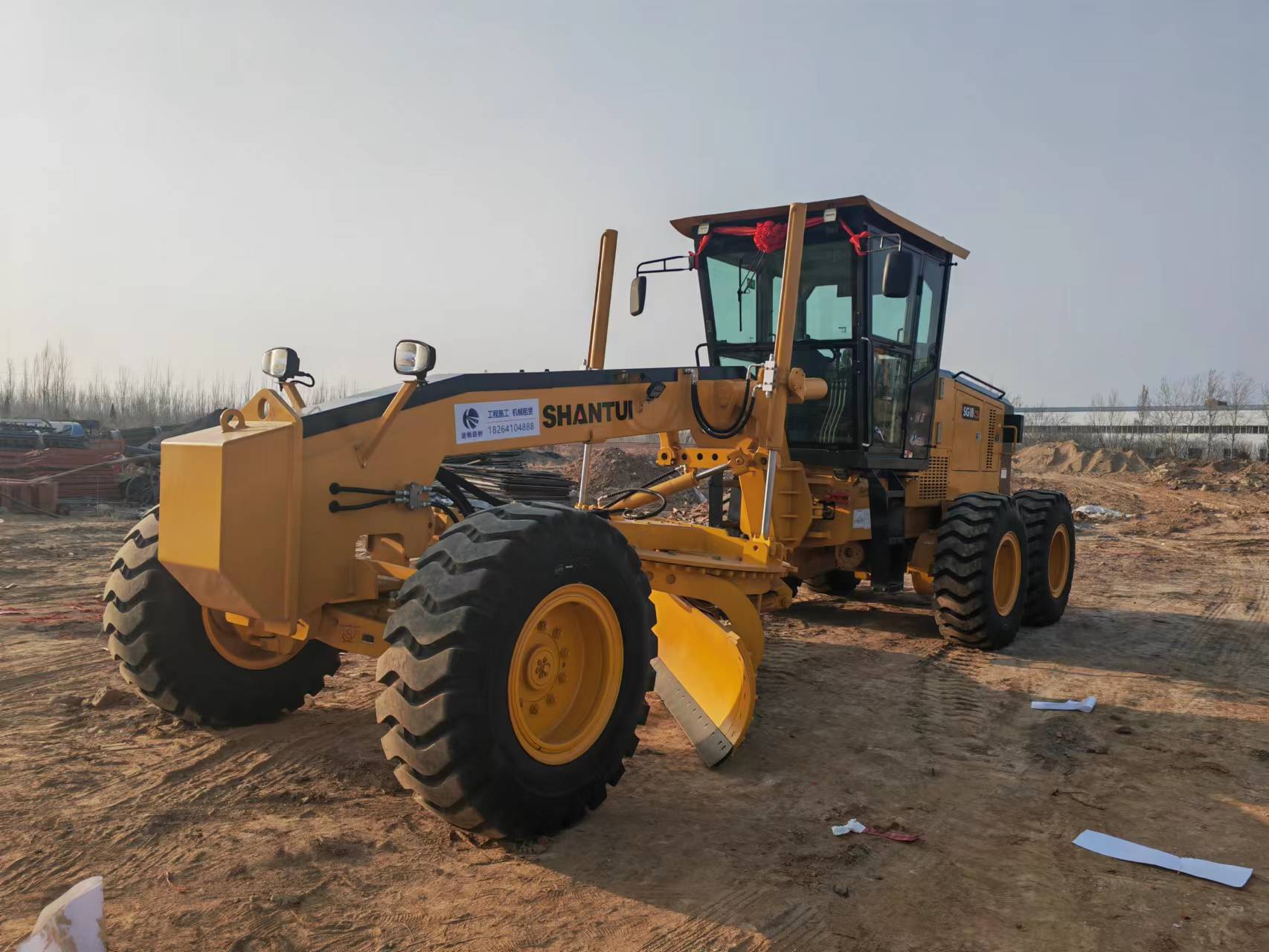
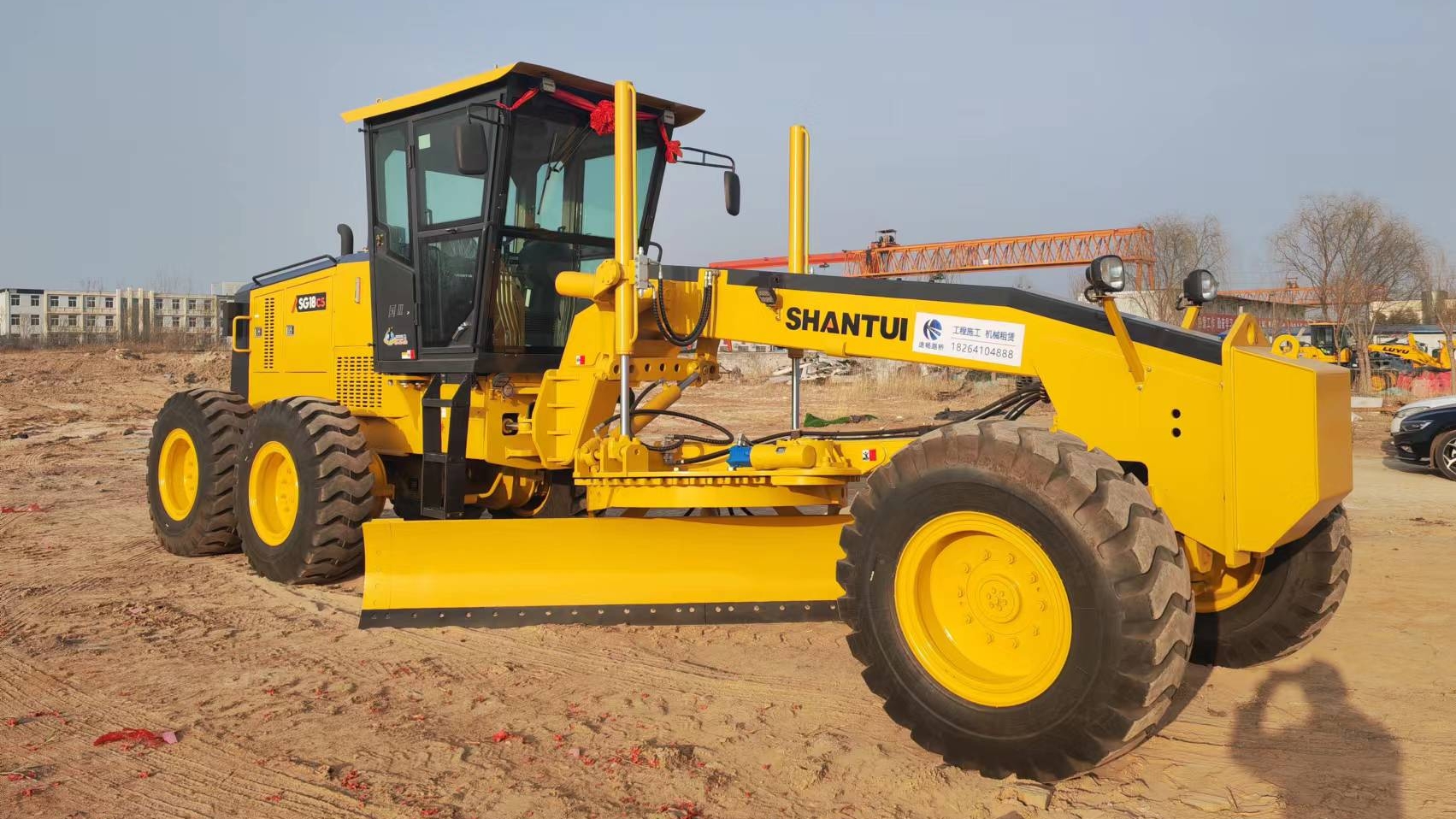
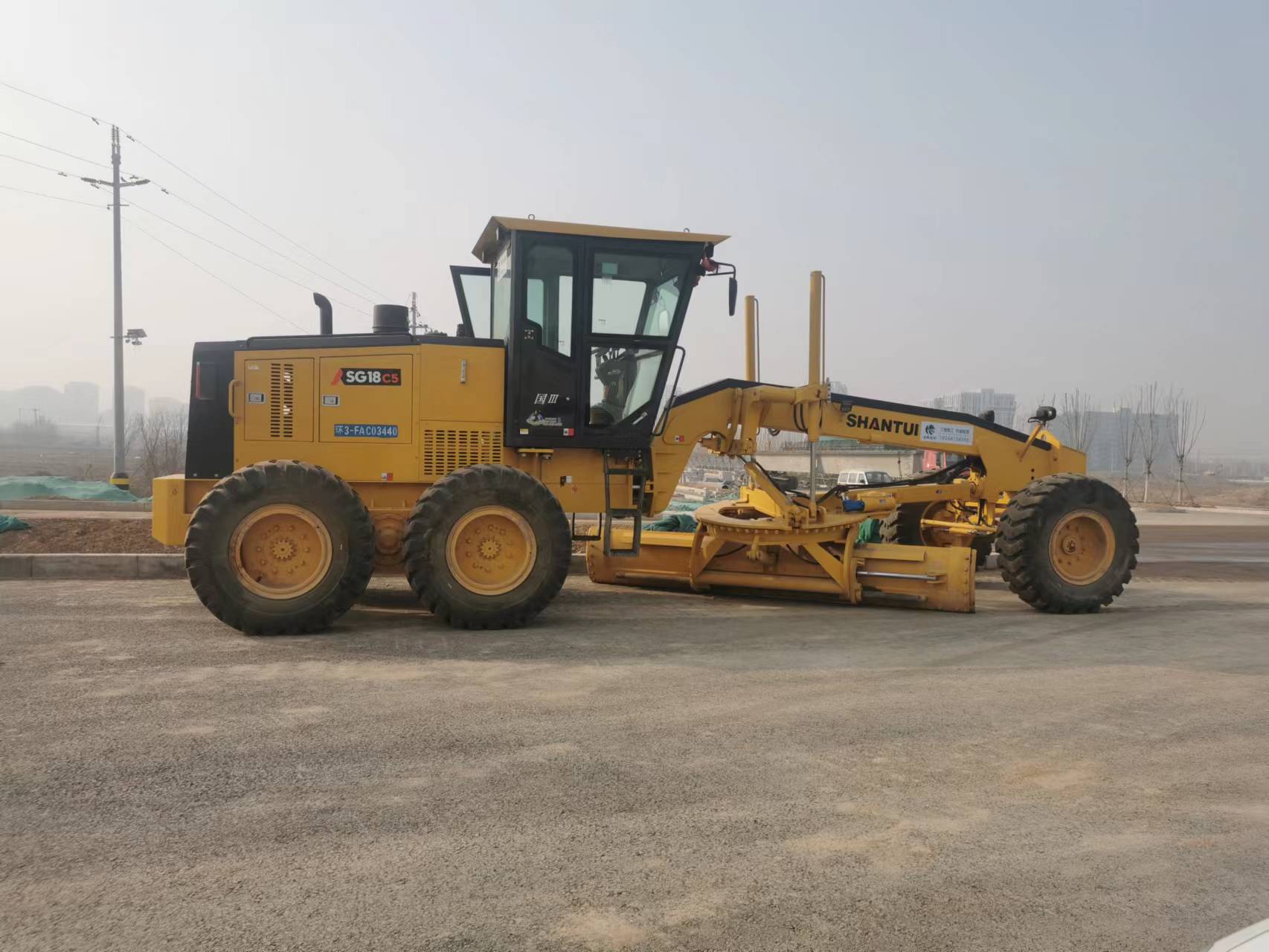
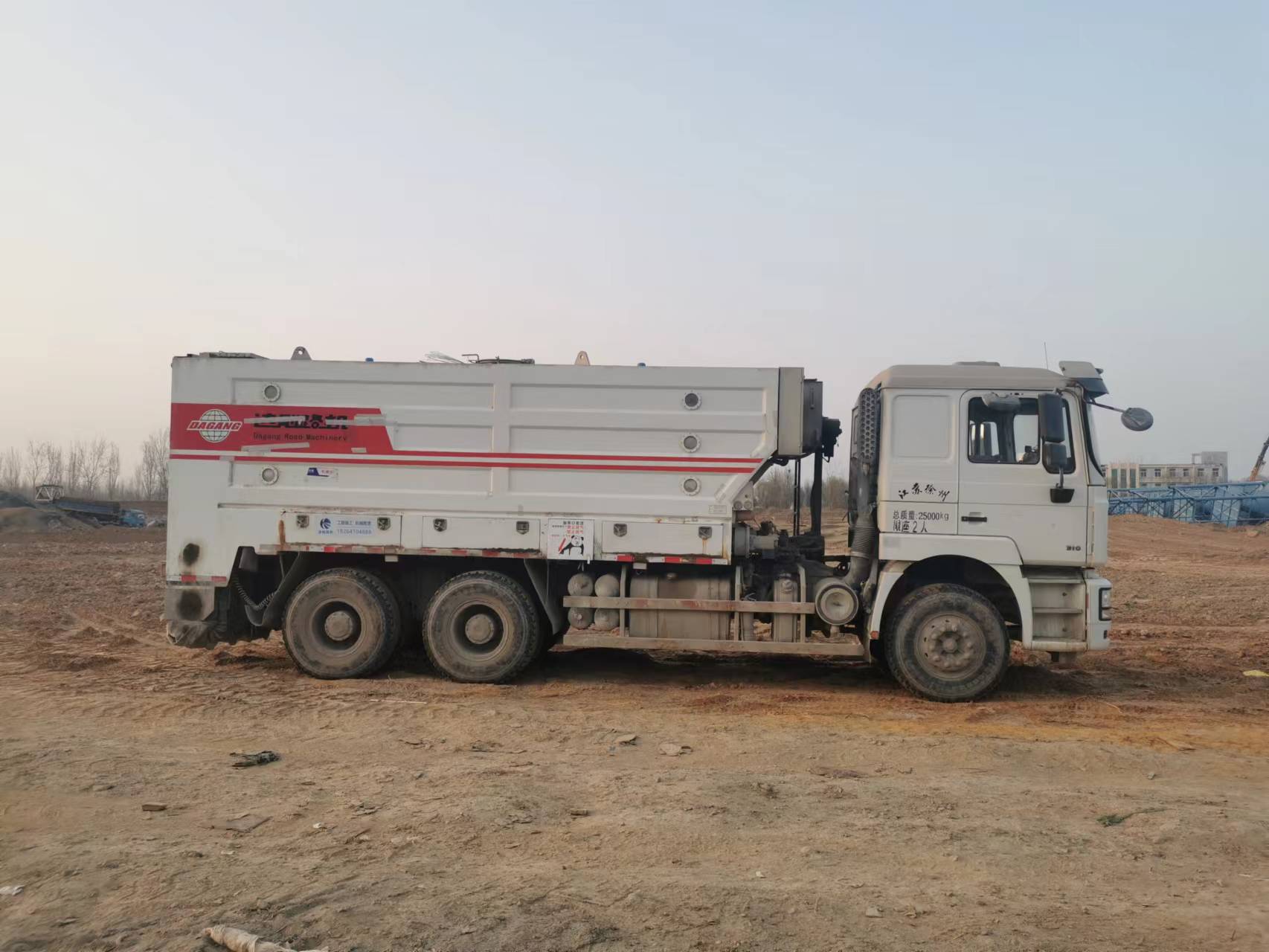
①WR2500维特根(Wirtgen)冷再生拌和机1台(破碎宽度为2.5m,行驶速度为30cm,施工时自动加水);②洒水车2台;③PQ190-5平地机1台;④BW222D压路机、BOMAG振动压路机各1台。
① One WR2500 Wirtgen cold recycling mixer (with a crushing width of 2.5m, a driving speed of 30cm, and automatic water addition during construction); ② 2 sprinkler trucks; ③ 1 PQ190-5 grader; ④ One BW222D roller and one BOMAG vibratory roller.
(3)试验段施工。在施工前先用冷再生机按设计厚度铣刨一段路面做试验段,试验室取料时自上而下取到底,保证原材料级配与现场实际相符。选定水泥为信阳华新P.C32.5,试验室按照设计的6%水泥剂量,制取2%,4%,6%,8%,10%五组含水量试样进行标准击实,测其非常大干密度为1.96g/cm3,非常佳含水量为5.5%。 3、施工阶段质量控制要点
(3) Experimental section construction. Before construction, use a cold recycling machine to mill a section of road surface according to the design thickness as a test section. When taking materials from top to bottom in the laboratory, ensure that the raw material grading is consistent with the actual site conditions. The selected cement is Xinyang Huaxin P.C32.5. In the laboratory, five sets of moisture content samples with 2%, 4%, 6%, 8%, and 10% were prepared according to the designed 6% cement dosage for standard compaction. The maximum dry density was measured to be 1.96g/cm3, and the optimal moisture content was 5.5%. 3. What are the key points of quality control during the construction phase
(1)清扫处理原路面。如果原路面的标与设计线相同,施工前需将原路面清扫干净,避免有杂质混入混合料中,影响冷再生混合料路面底基层质量。
(1) Clean and treat the original road surface. If the original road surface has the same markings as the design line, it is necessary to clean the original road surface before construction to avoid impurities from mixing into the mixture, which may affect the quality of the cold recycled mixture pavement subgrade.
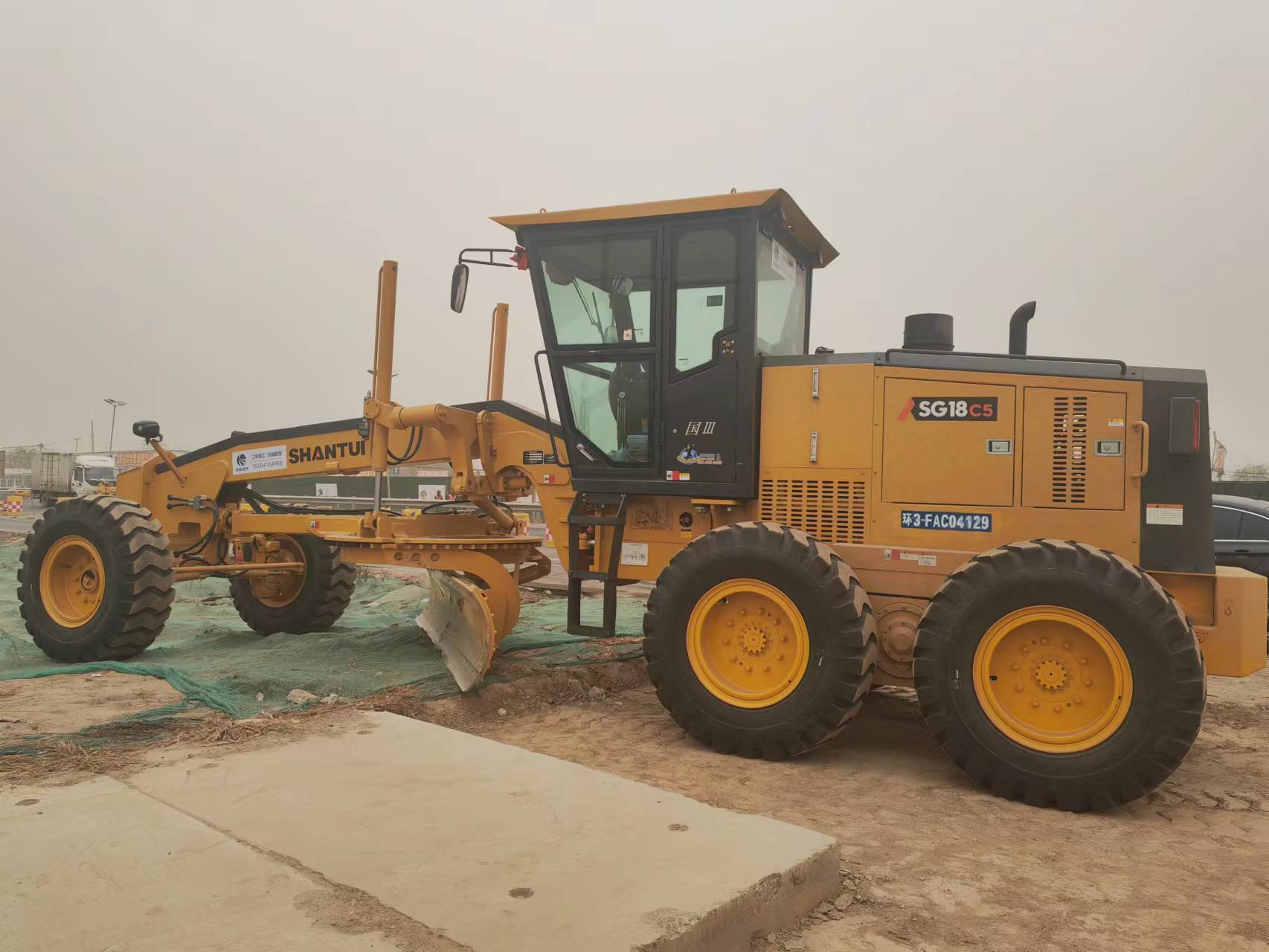
(2)为了保证冷再生混合料的均匀性和含水量的一致性,须用冷再生拌和机对原路面进行破碎,破碎深度为设计厚度的3/4,破碎时加水量应为非常佳含水量的2/3,破碎完毕后应立即用平地机整平并稳压。
(2) In order to ensure the uniformity and consistency of the moisture content of the cold recycled mixture, it is necessary to use a cold recycled mixer to crush the original road surface, with a crushing depth of 3/4 of the design thickness. The amount of water added during crushing should be 2/3 of the optimal moisture content. After crushing, it should be immediately leveled and stabilized with a grader.
(3)测量放线。根据冷再生路面的设计宽度和单位面积的水泥用量来进行放线,依据非常大干密度计算出单位面积的水泥用量,施工过程中应严格控制水泥量。
(3) Measure and lay out. According to the design width and cement consumption per unit area of the cold recycled pavement, the laying out should be carried out, and the cement consumption per unit area should be calculated based on the maximum dry density. During the construction process, the cement consumption should be strictly controlled.
(4)撒布水泥。本工程采用袋装水泥,用汽车直接运到施工现场,按照已经放好的方格网卸水泥,然后按每格水泥用量由人工将水泥倒出,用木耙平整、均匀地摊铺在旧沥青混凝土路面上,确保水泥撒布均匀、等厚。
(4) Spread cement. This project uses bagged cement, which is directly transported to the construction site by truck. The cement is unloaded according to the already arranged grid, and then manually poured out according to the amount of cement used in each grid. The cement is then evenly spread on the old asphalt concrete pavement with a wooden rake to ensure even and uniform distribution of cement.
(5)冷再生底基层拌和。采用WR2500型冷再生机进行施工,在施工前先将一个10t的水车与冷再生机固定,靠冷再生机拖动前进及后退,并配备一台备用水车。
(5) Mixing of cold recycled subbase. The WR2500 cold recycling machine is used for construction. Before construction, a 10t water truck is fixed to the cold recycling machine and dragged forward and backward by the cold recycling machine, and a spare water truck is equipped.
(6)稳压。为了保证冷再生路面的水分和在终凝前突出成型,压路机应紧随冷再生机进行突出。突出顺序为自路边向路中进行突出,弯道处由内侧向外侧突出,突出宽度为钢轮的2/3宽,先轻振一遍,以保证冷再生路面的密实,以利于平地机整平。突出的施工段接头处由人工进行处理,保证接头处的平整度。
(6) Stabilize voltage. In order to ensure the moisture content of the cold recycled road surface and roll it into shape before final setting, the roller should closely follow the cold recycled machine for rolling. The rolling sequence is from the roadside to the middle of the road, and from the inside to the outside at bends. The rolling width is 2/3 of the width of the steel wheel, and a light vibration is carried out first to ensure the compactness of the cold recycled road surface and facilitate leveling by the grader. The joint of the compacted construction section is manually processed to ensure the flatness of the joint.
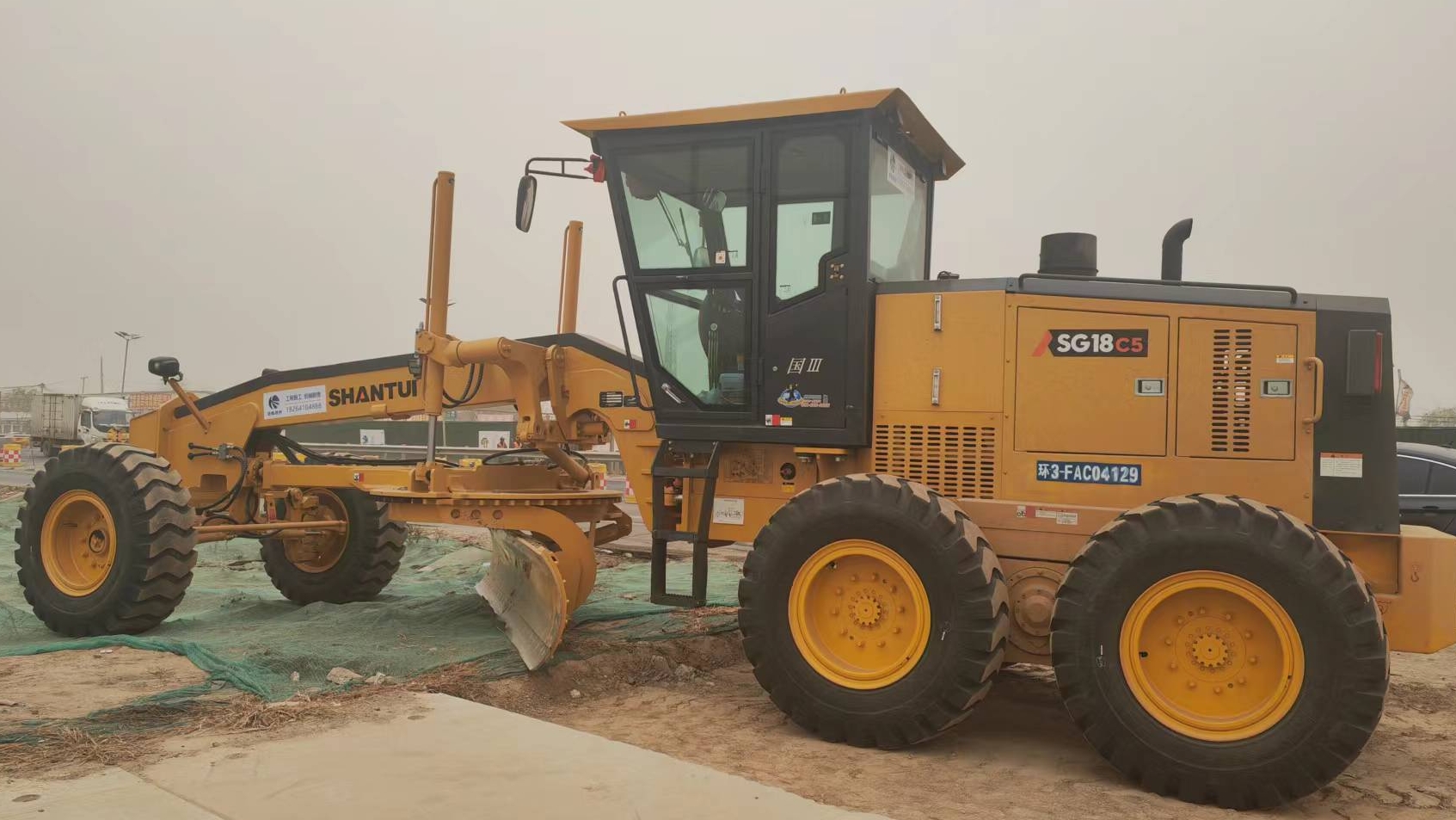
(7)整型。进行标高测量后,用平地机进行整平,将多余的混合料带到路面范围以外。
(7) Integer. After measuring the elevation, use a grader to level and bring the excess mixture outside the road surface.
(8)突出成型。整型完后,先用振动压路机振压三遍后,再用静突出路机突出成型,至保证冷再生混合料突出密实无轮迹,压实度符合设计要求。
(8) Rolling and shaping. After shaping, first use a vibratory roller to compact the mixture three times, and then use a static roller to compact it until the cold recycled mixture is compacted without wheel marks and the compaction degree meets the design requirements.
(9)检测。突出成型后由技术人员检测底基层宽度、平整度、高程、横坡,压实度等指标,符合设计及规范要求后,进行洒水养生。
(9) Testing. After rolling and forming, technical personnel shall inspect the width, flatness, elevation, cross slope, compaction degree and other indicators of the subgrade layer. After meeting the design and specification requirements, watering and curing shall be carried out.
(10)养生。采取洒水车喷水进行养生,养生期间禁止一切车辆在冷再生路面上行驶,养生7d后,进行弯沉及无侧限抗压强度检测,满足施工图设计后,进行下道工序施工。
(10) Health preservation. Use a sprinkler truck to spray water for health maintenance. During the maintenance period, all vehicles are prohibited from driving on cold recycled roads. After 7 days of maintenance, conduct tests for deflection and unconfined compressive strength to meet the construction drawing design requirements before proceeding to the next construction process.
三、结束语
3、 Conclusion
综上所述,采用沥青路面就地冷再生技术,可以充分利用旧料,通过选择适当的配比及新旧料掺和比例,可以再生得到质量相当不错的再生混和料。实践表明,这种再生混合料可以使用于路面的沥青基层。同时,利用沥青路面就地冷再生技术可以取得相当可观的经济效益和显著的社会效益。
In summary, the use of on-site cold recycling technology for asphalt pavement can fully utilize old materials. By selecting appropriate proportions and mixing ratios of new and old materials, high-quality recycled mixtures can be obtained. Practice has shown that this recycled mixture can be used for the asphalt base of road surfaces. Meanwhile, utilizing on-site cold recycling technology for asphalt pavement can achieve considerable economic and significant social benefits.



 公司地址:济南市槐荫区经一路273号群盛华城2号楼1-404
 公司名称:山东途畅路桥工程有限公司
  备案号:
备案号: