

公司新闻
现场冷再生技术浅析
A Brief Analysis of On site Cold Recycling Technology
再生技术可节省资源,获得直接的经济效益,并可保护生态环境,获得社会效益,是一项利国利民的环保型新技术。据有关数据显示,沥青混合料再生利用,可节约材料费用53.4%,路面降低造价25%左右,沥青节约50%。如1980年美国使用了约5000万吨旧沥青混合料,节约投资达3.95亿美元[1]。据预测,10年后,沥青路面的大、中修产生的旧沥青混合料将达到1000万吨,若采用沥青路面的再生技术,每年可节约材料费15亿元[2]。
Regeneration technology can save resources, obtain direct economic benefits, protect the ecological environment, and achieve social benefits. It is an environmentally friendly new technology that benefits the country and the people. According to relevant data, the recycling of asphalt mixture can save material costs by 53.4%, reduce road surface costs by about 25%, and save asphalt by 50%. In 1980, the United States used approximately 50 million tons of old asphalt mixture, saving investment of $395 million. It is predicted that in 10 years, the amount of old asphalt mixture generated from major and medium repairs of asphalt pavement will reach 10 million tons. If the recycling technology of asphalt pavement is adopted, material costs can be saved by 1.5 billion yuan per year.
1 现场冷再生技术定义所谓沥青路面的现场冷再生(Cold In-P1ace Recycling),就是充分利用现有旧铺层材料(面层甚至基层),必要时加入部分新骨料,并按比例加入一定量的添加剂(水泥、石灰、粉煤灰、泡沫沥青、乳化沥青等)和水,在自然环境温度下现场连续地完成材料的铣刨、破碎、拌和、摊铺及压实成型,重新形成具有所需承载能力结构层的一种工艺方法。现场冷再生主要有三种类型:
1 On site cold recycling technology defines the so-called cold in P1ace recycling of asphalt pavement, which is a process method that makes full use of the existing old paving materials (surface course and even base course), adds some new aggregates when necessary, and adds a certain amount of additives (cement, lime, fly ash, foam asphalt, emulsified asphalt, etc.) and water in proportion, to continuously complete the milling, crushing, mixing, paving and compaction of materials on site at natural ambient temperature, and re forms a structural layer with the required bearing capacity. There are three main types of on-site cold recycling:
1、浅层现场冷再生——针对就路面层,冷再生厚度在80一150mm之间,形成沥青面层(底面层)。
1. Shallow on-site cold recycling - for the pavement layer, the cold recycling thickness is between 80-150mm to form an asphalt surface layer (bottom layer).
2、无铺面公路的升级——针对旧路基层,以泡沫沥青或乳化沥青为添加剂时,冷再生层厚度在100~150mm之间;以水泥、石灰或粉煤灰为添加剂,冷再生层厚度多为200mm。
2. Upgrading of unpaved roads - for the old road base, when foam asphalt or emulsified asphalt is used as the additive, the thickness of the cold regeneration layer is between 100 and 150 mm; Using cement, lime or fly ash as additives, the thickness of the cold recycling layer is mostly 200mm.
3、深层现场冷再生——针对旧路基层和面层,冷再生层厚度在150mm以上,形成基层或低基层。其中,第一种又被称为路面面层冷再生技术,后两种被称为深层复拌冷再生技术。
3. Deep on-site cold regeneration - for the base and surface layers of old roads, the thickness of the cold regeneration layer is above 150mm to form a base or low base layer. Among them, the first one is also known as pavement surface cold recycling technology, and the latter two are called deep mixing cold recycling technology.
2 现场冷再生技术适用条件现场冷再生技术总的来说可分为路面面层和深层复拌两大类,对于路面面层现场冷再生技术,其适用条件是:路面结构强度符合承载要求和道路排水设施完好。如果道路结构层变形或受到破坏,冷再生前就应首先对路面结构层进行补强处理。路面面层现场冷再生维修适用的路面厚度约为8~15mm。下面三种情况都适用:
The application conditions of on-site cold recycling technology can be generally divided into two categories: pavement surface layer and deep mixing. For on-site cold recycling technology of pavement surface layer, its application conditions are: the pavement structure strength meets the bearing requirements and the road drainage facilities are intact. If the road structure layer is deformed or damaged, the pavement structure layer should be reinforced before cold recycling. The thickness of the road surface suitable for on-site cold recycling maintenance is about 8-15mm. The following three situations are applicable:
1、由于路面老化、高温损害、疲劳和反射裂纹所造成的路面裂纹。
1. Road cracks caused by road aging, high temperature damage, fatigue, and reflection cracks.
2、由于混合料的不稳定性、挤压和粗糙的材料使路面形成车辙所造成的路面变形。
2. The deformation of the road surface caused by the formation of ruts due to the instability, compression, and rough materials of the mixture.
3、由于断裂、沥青泛油以及层面之间的粘接力降低所造成的路面完整性破损。深层复拌现场冷再生技术的适用条件是道路稳定层的再生改造工程。与面层现场冷再生相比,现场复拌冷再生技术的主要特点是能够适应道路深层的再生改造要求,对路面基层进行再生处理时,拌和深度范围一般为13~25cm,处理土基稳定层时,拌和深度可达40cm。根据经验,只要混合料中5mm以上的粒料占30%以上,该旧路就有利用其作为再生基层的可能。因为有足够的大骨料就能够形成再生基层的骨架结构,使再生基层具备一定的承载能力。
3. Road surface integrity damage caused by breakage, asphalt bleeding, and reduced adhesion between layers. The applicable condition for deep mixing on-site cold recycling technology is the regeneration and renovation project of the road stability layer. Compared with on-site cold recycling of surface layers, the main feature of on-site mixed cold recycling technology is that it can adapt to the requirements of deep road regeneration and renovation. When regenerating the pavement base layer, the mixing depth range is generally 13-25cm, and when treating the soil base stable layer, the mixing depth can reach 40cm. According to experience, as long as more than 30% of the particles in the mixture are 5mm or more, the old road has the possibility of using it as a regenerated base layer. Because there is enough large aggregate to form the skeleton structure of the recycled base layer, which gives the recycled base layer a certain bearing capacity.
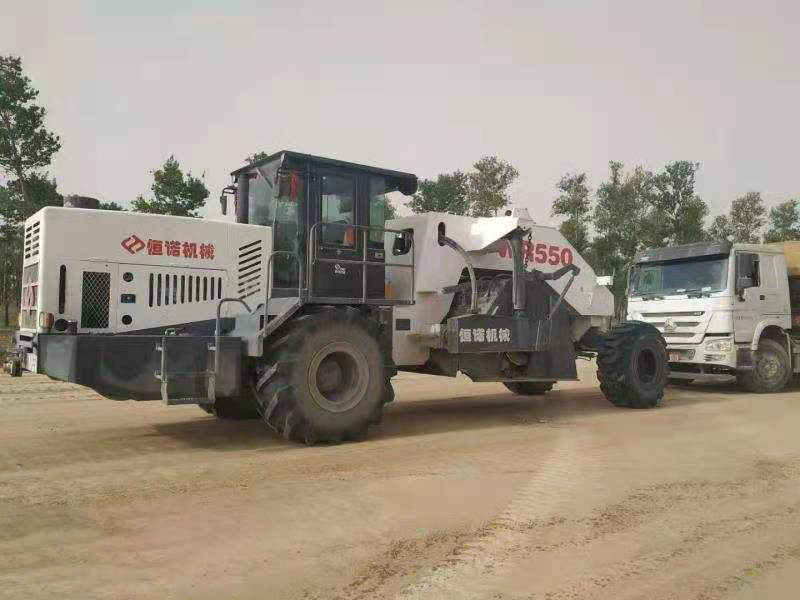
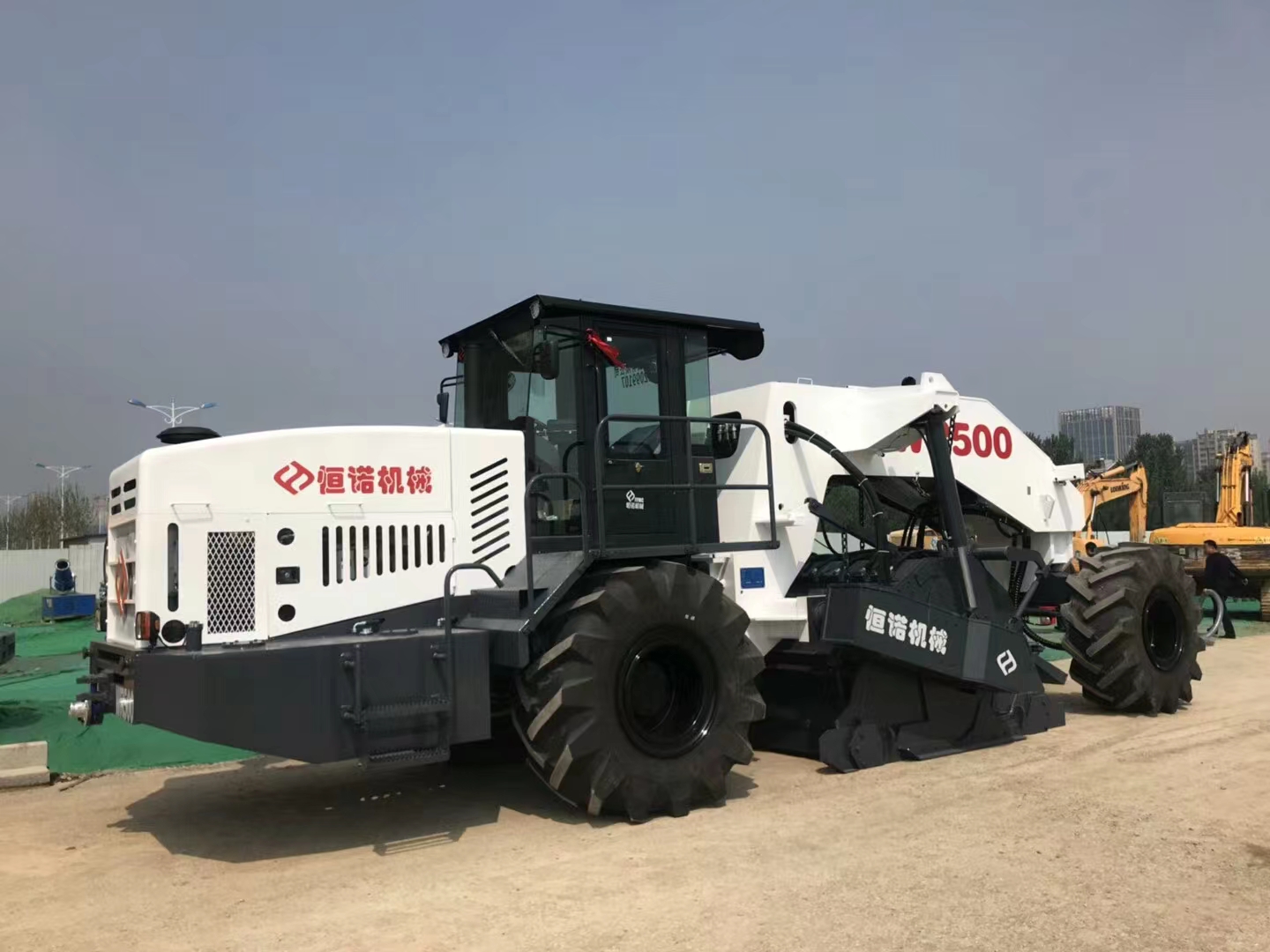
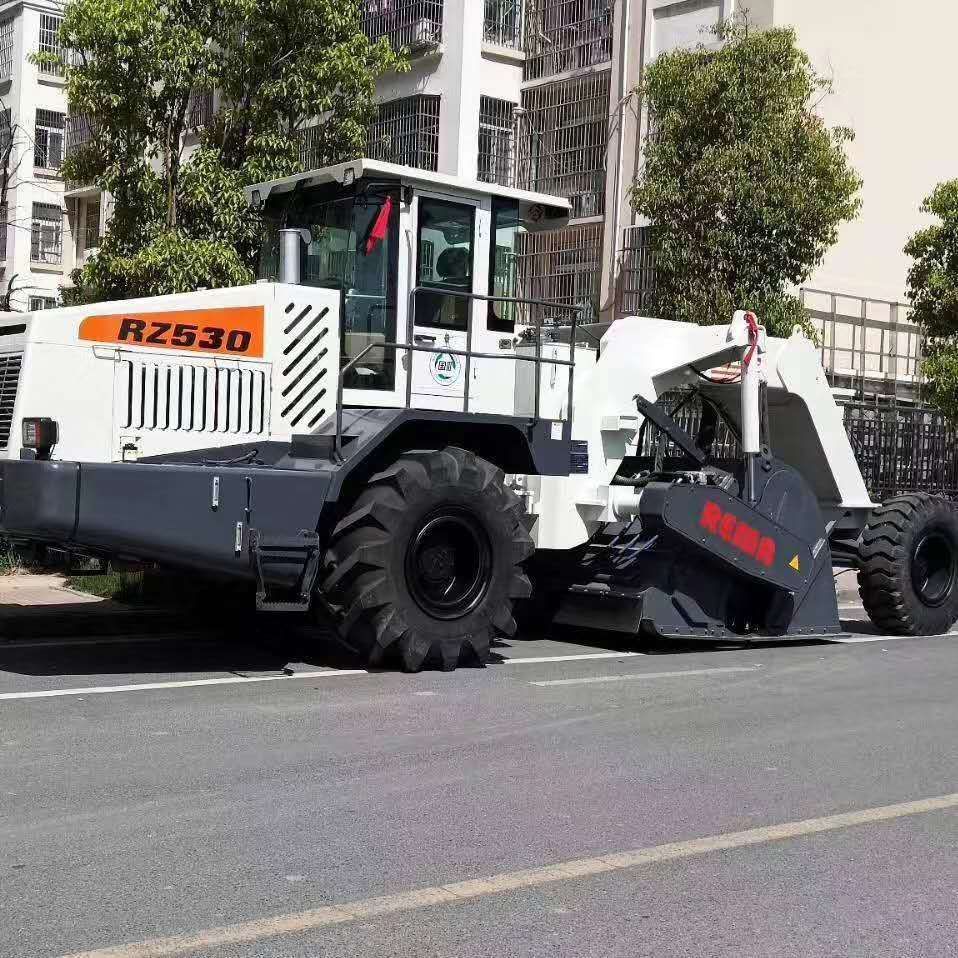
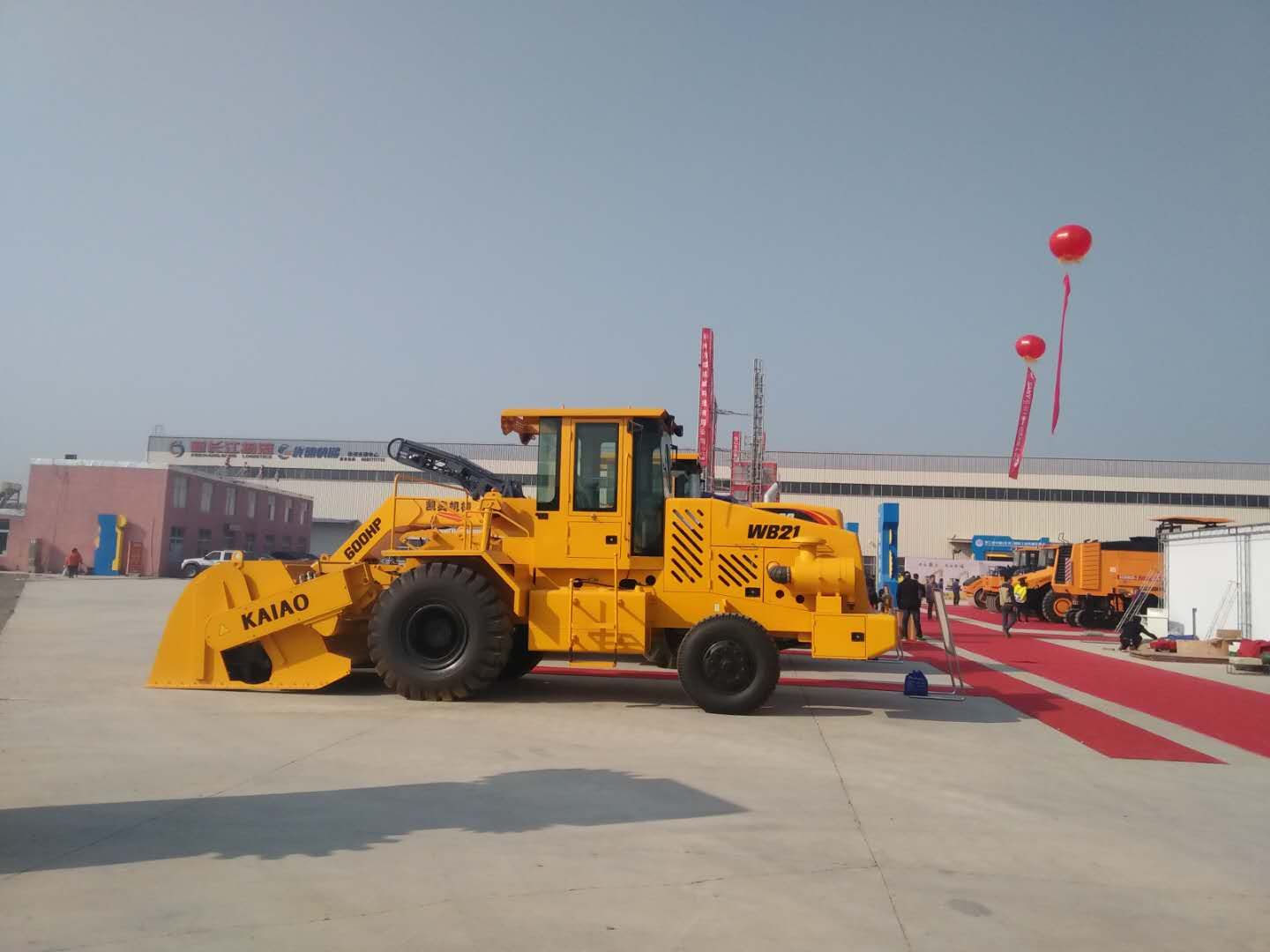
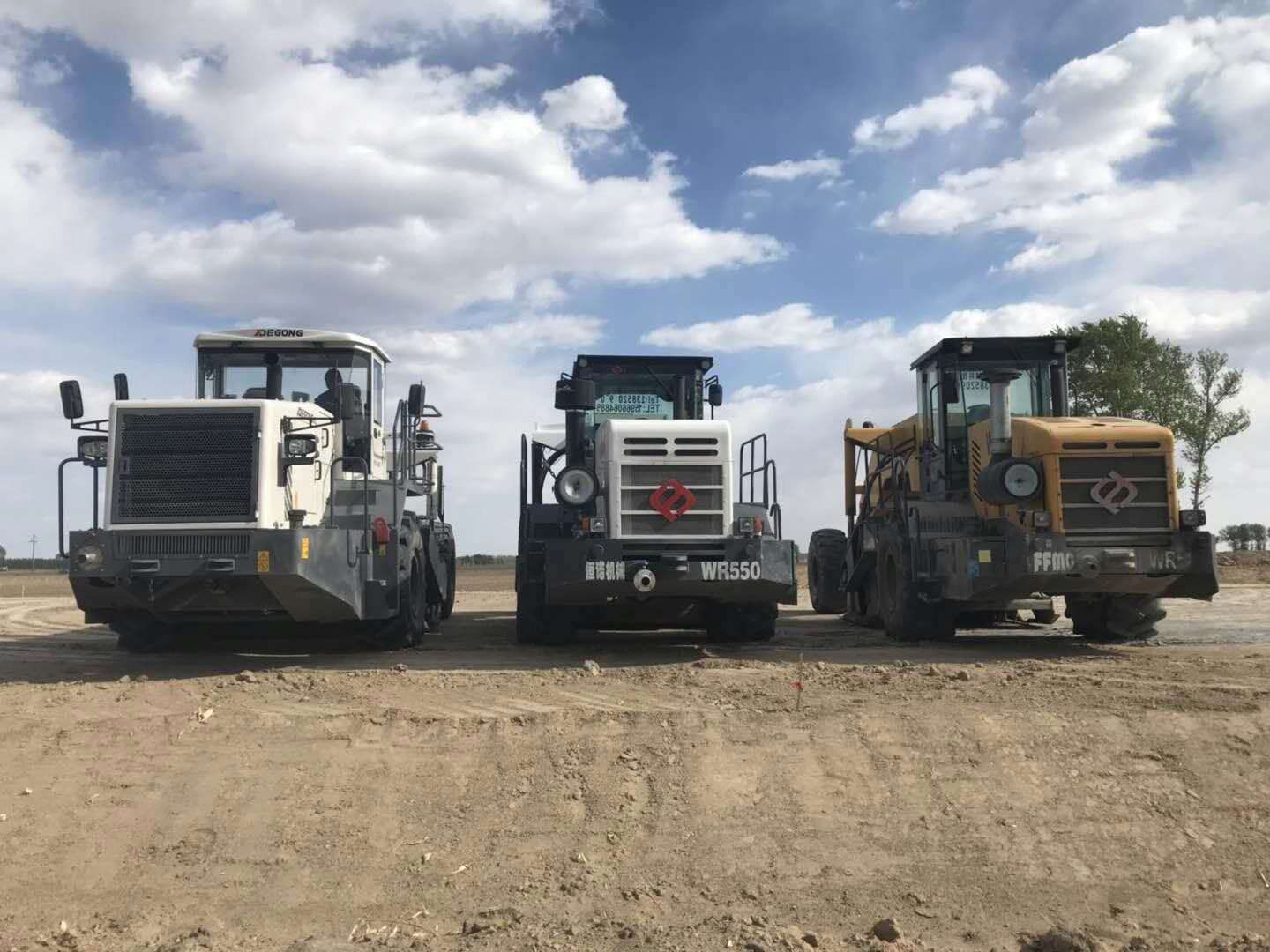
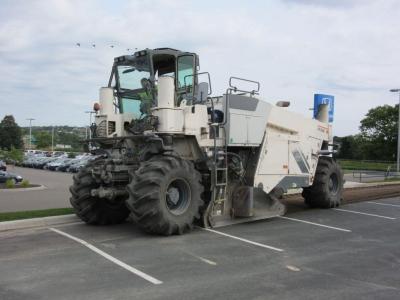
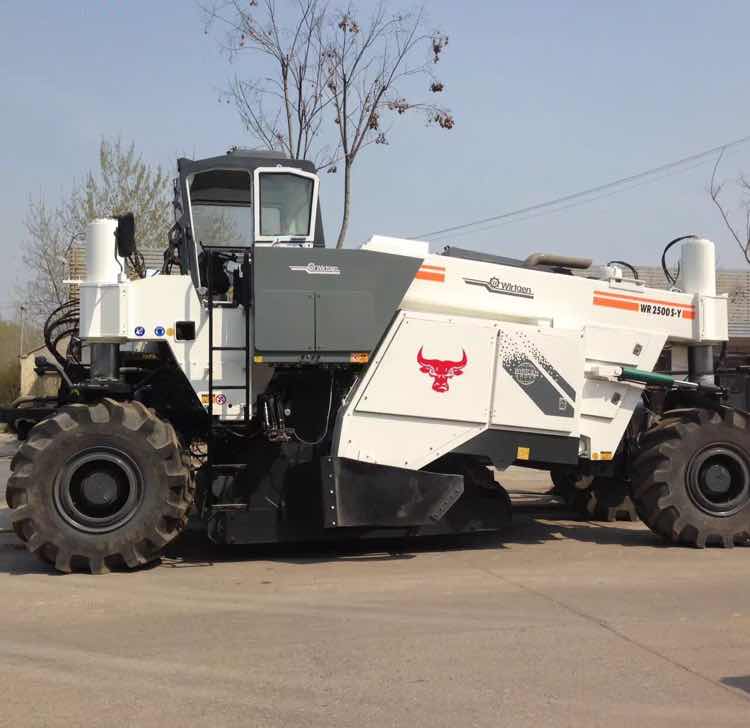
3 现场冷再生技术施工工艺冷再生工艺现属于较为常用的道路维修工艺,用于施工的现场冷再生机组有多种类型,其基本流程总的来说包括了四项主要工序:一是准备旧路面的再生材料包括破碎和翻松旧路;二是加入添加剂和水并加以拌和;三是成型和压实;非常后是在再生的路面上加铺磨耗层。
3. On site cold recycling technology construction process Cold recycling technology is currently a commonly used road maintenance process. There are various types of on-site cold recycling units used for construction, and their basic process generally includes four main steps: firstly, preparing recycled materials for old road surfaces, including crushing and loosening old roads; The second is to add additives and water and mix them together; The third is molding and compaction; Finally, a wear layer is added to the regenerated road surface.
3.1 施工前的准备工作1、首先是对旧路状况进行调查,包括三项内容:进行弯沉检测,了解现有承载力情况,计算旧路E值;进行交通量及轴载调查,计算设计年限内的“累积标准当量轴载次数”,已提出厚度及强度要求;进行钻芯取样,确定旧路沥青面层厚度、基层材料性质及厚度等参数,供冷再生结构层设计用。2、对旧路调查完,接下来还应注意的方面包括:施工前应准备符合要求的新填骨料、水泥、石灰、水等材料,并应提供相应的材料质量检验报告单,并经过检验合格后方可使用;施工前应清除路面上的泥土和杂物,以免影响再生料的配比和性能;采取必要的预防性维护保养手段,以确保机械设备的完好率;添加剂的加入量要准确,以保证再生层的性能;施工中严格按再生料施工配合比进行施工,随时检测水泥(石灰)用量,以保证再生基层(底基层)的材料、力学指标满足要求。
3.1 Preparation before Construction 1. Firstly, conduct an investigation into the condition of the old road, including three aspects: conducting deflection testing, understanding the existing bearing capacity, and calculating the E value of the old road; Conduct traffic volume and axle load investigation, calculate the "cumulative standard equivalent axle load times" within the design life, and propose thickness and strength requirements; Conduct core sampling to determine parameters such as the thickness of the old road asphalt surface layer, properties and thickness of the base material, for the design of the cold recycled structural layer. 2. After the investigation of the old road, the following aspects should be noted: new materials such as aggregates, cement, lime, water, etc. that meet the requirements should be prepared before construction, and corresponding material quality inspection reports should be provided. Only after passing the inspection can they be used; Before construction, the soil and debris on the road surface should be removed to avoid affecting the proportion and performance of recycled materials; Take necessary preventive maintenance measures to ensure the integrity of mechanical equipment; The amount of additives added should be precise to ensure the performance of the regeneration layer; Strictly follow the construction mix ratio of recycled materials during construction, and constantly monitor the amount of cement (lime) used to ensure that the material and mechanical indicators of the recycled base (sub base) meet the requirements.
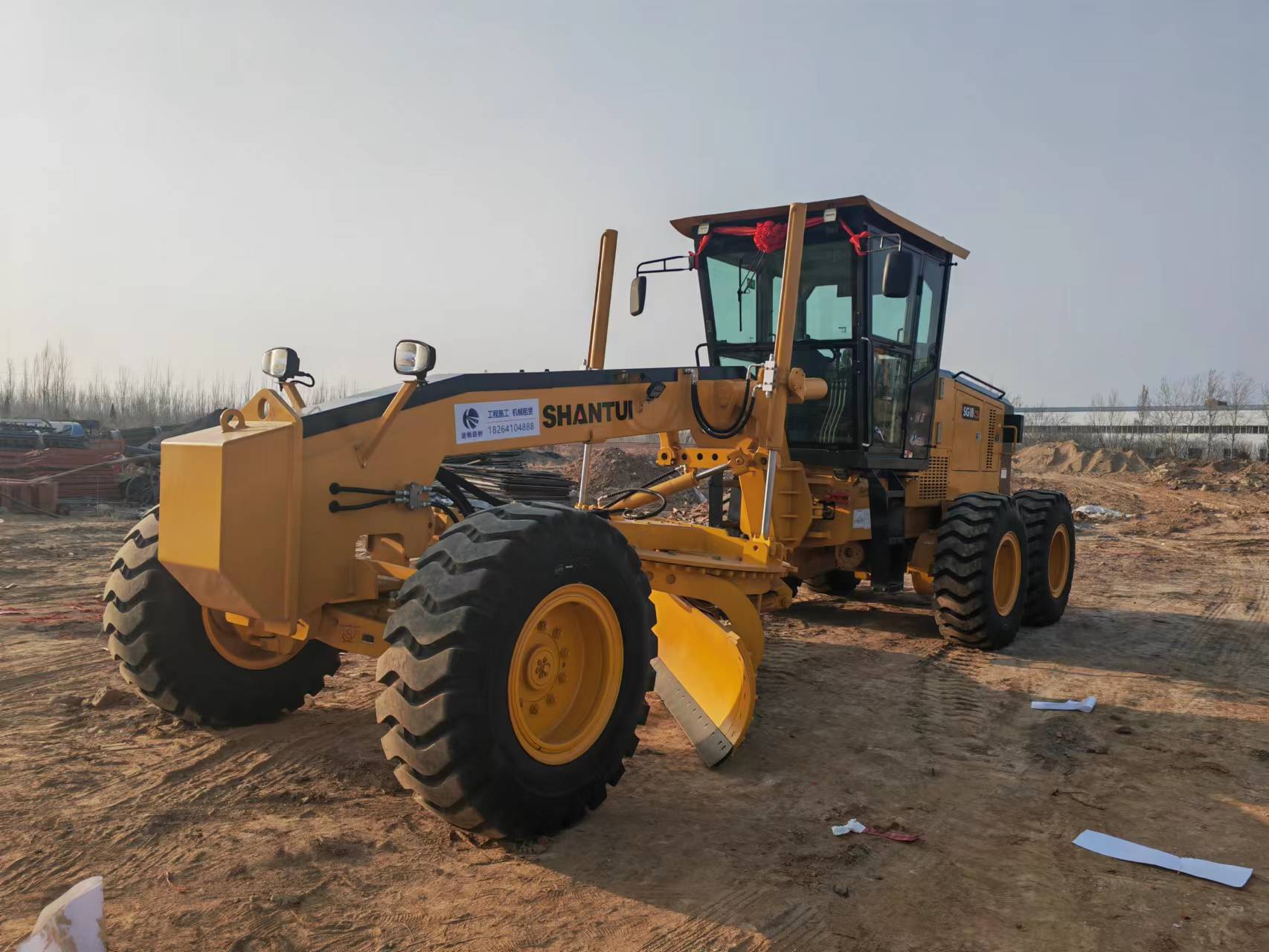
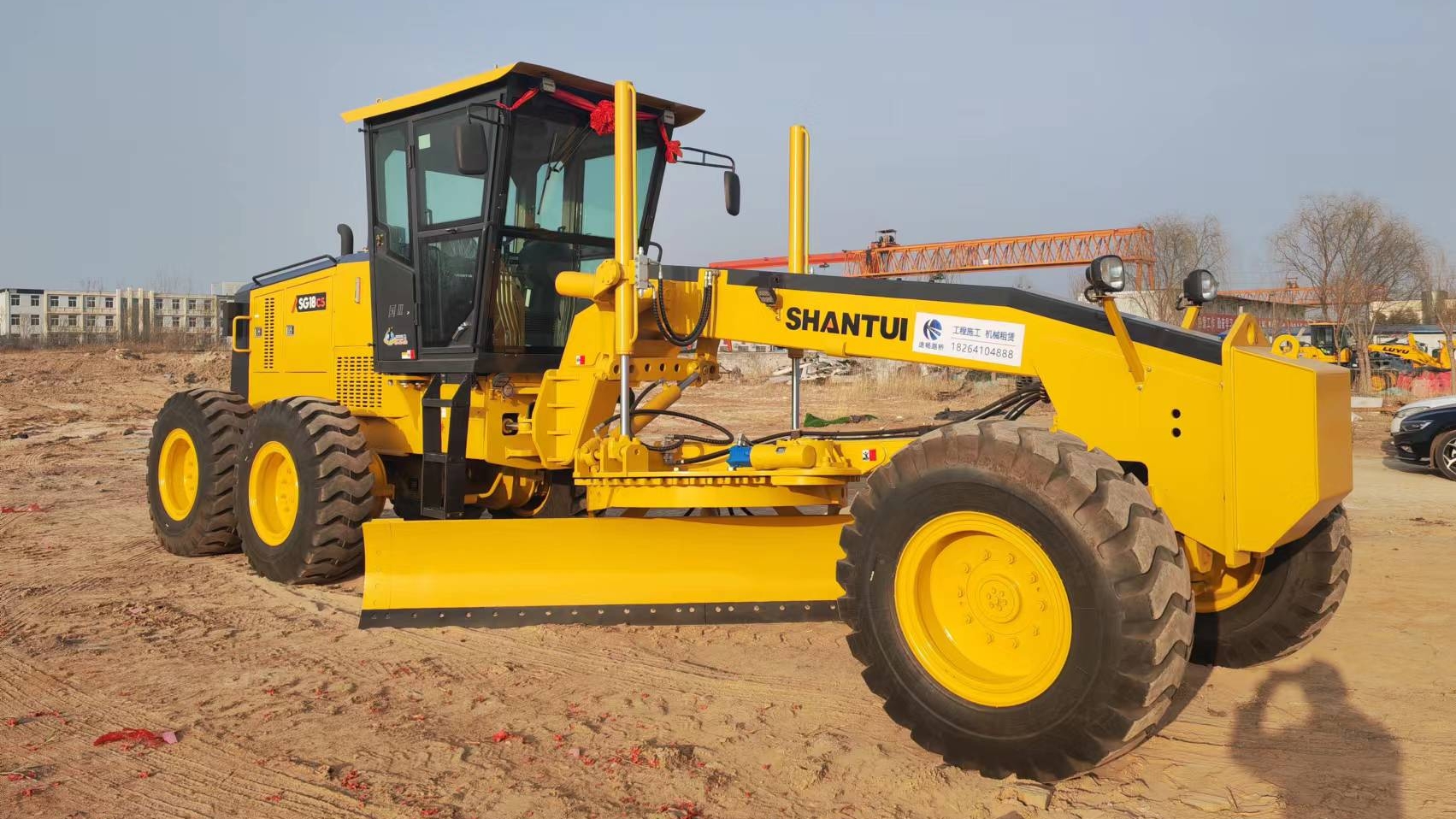
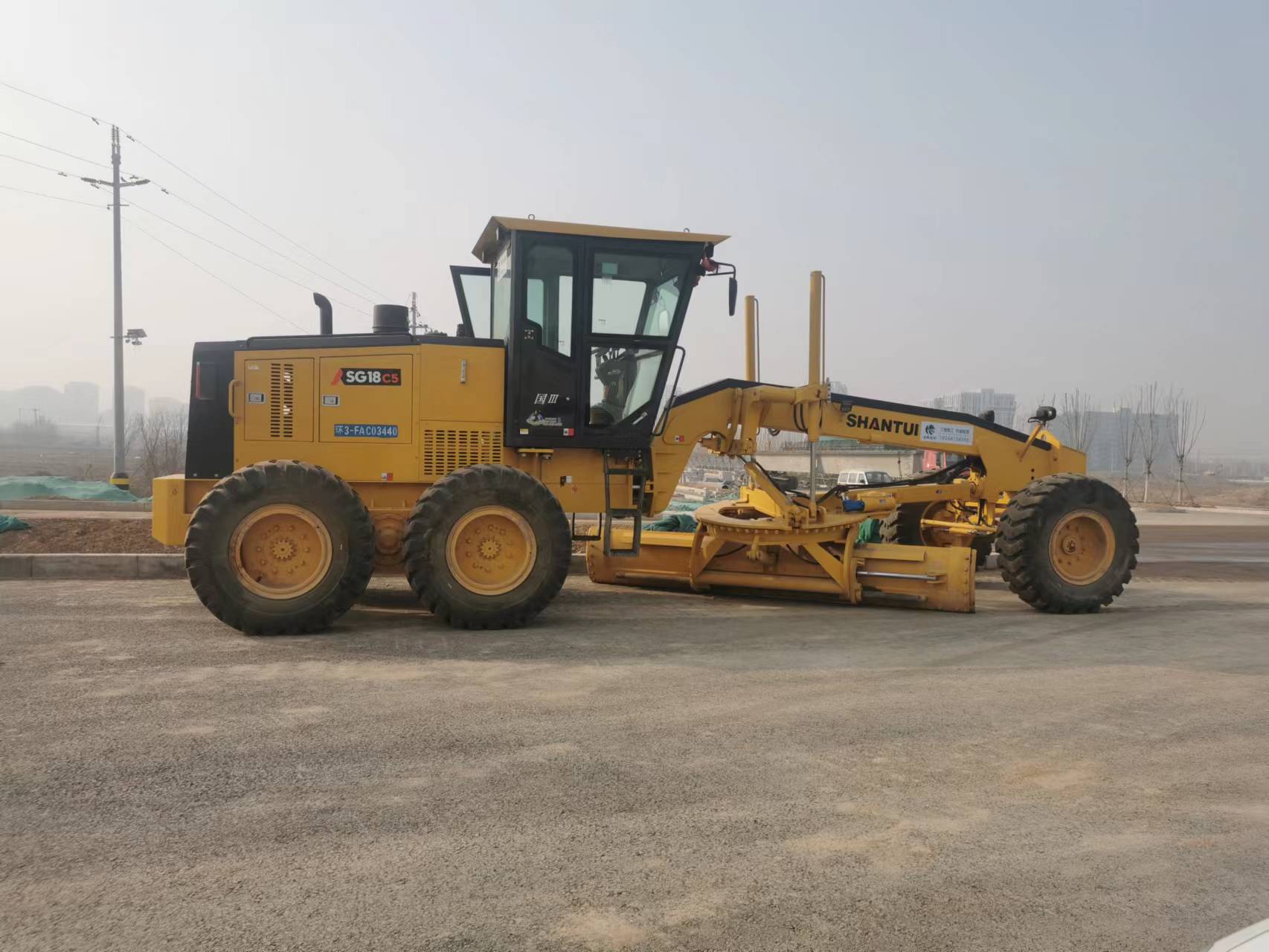
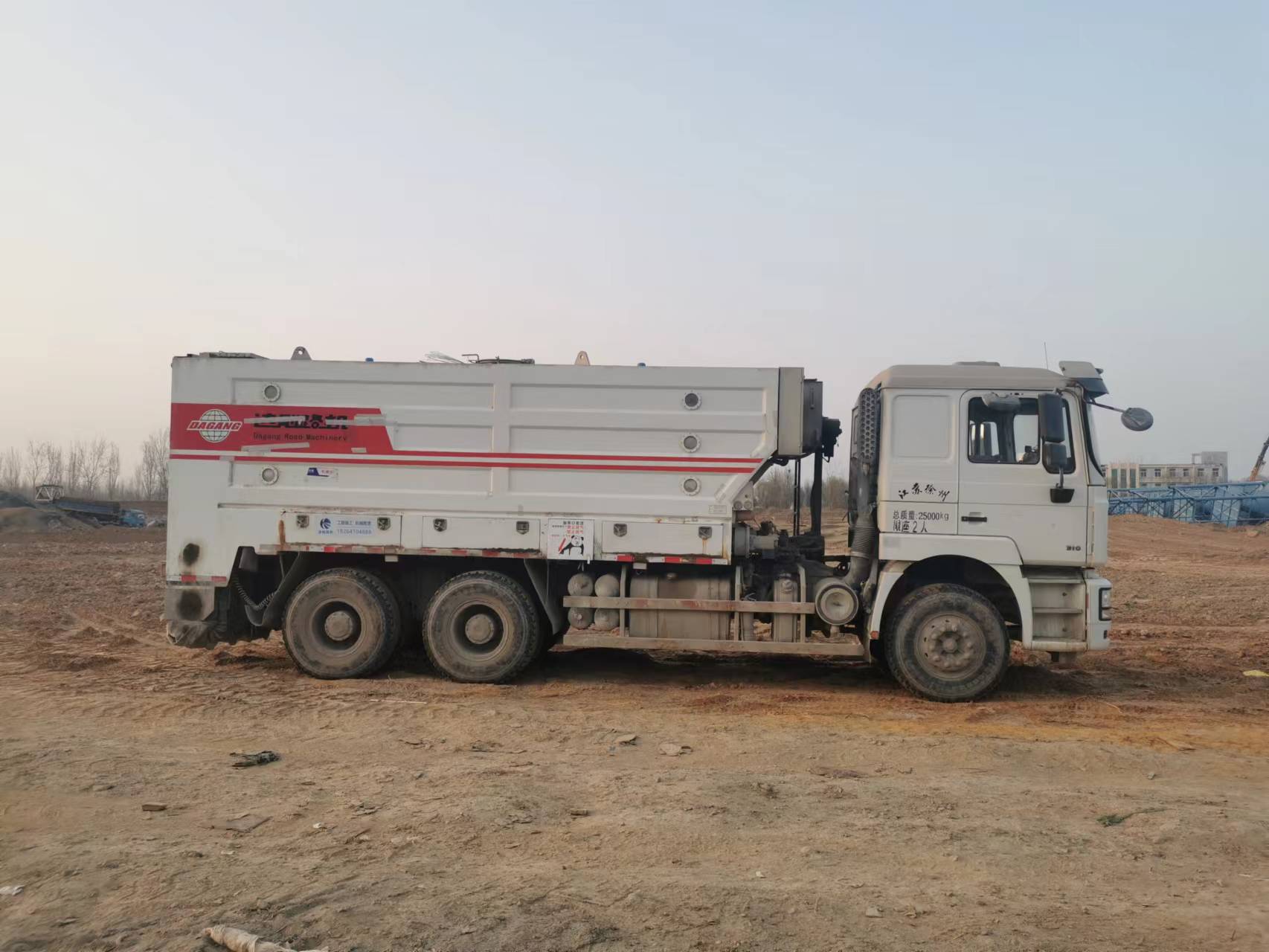
3、检查再生机组,保证其处于良好工作状态:对再生施工中所需要的所有机械设备进行多维度的检查,包括:压路机、平地机、罐车等;检查各罐车内所装水是否足够满足再生路段施工的需要;检查推杆的牢固性;检查所有与再生机连接的管路,排除系统中的所有空气并确保所有阀门均处于全开位置。
3. Check the regeneration unit to ensure it is in good working condition: Conduct a comprehensive inspection of all mechanical equipment required for regeneration construction, including rollers, graders, tankers, etc; Check whether the water in each tank truck is sufficient to meet the needs of the construction of the regeneration section; Check the firmness of the push rod; Check all pipelines connected to the regeneration machine, remove all air from the system, and ensure that all valves are fully open.
3.2 施工工艺过程施工前的准备工作完成后,就是正式施工了,现以水泥为添加剂的现场复拌法冷再生施工工艺流程为例进行说明。
3.2 Construction Process: After the preparation work before construction is completed, the formal construction begins. Taking the on-site mixing method with cement as an additive and cold recycling construction process as an example, this article will explain.
1、清洁路面,保持需要铣刨范围内路面的整洁;
1. Clean the road surface and maintain the cleanliness of the road surface within the required milling range;
2、铣刨,对于铣刨后粒径大于40mm的旧路材料需捡出或人工破碎;
2. Milling, for old road materials with a particle size greater than 40mm after milling, they need to be picked up or manually crushed;
3、加水,边铣刨边加水,调整旧料含水使达到非常佳含水量,初平并将旧路混合料闷12h以上;
3. Add water while milling and planing, adjust the moisture content of the old material to achieve the optimal moisture content, level initially, and seal the old road mixture for more than 12 hours;
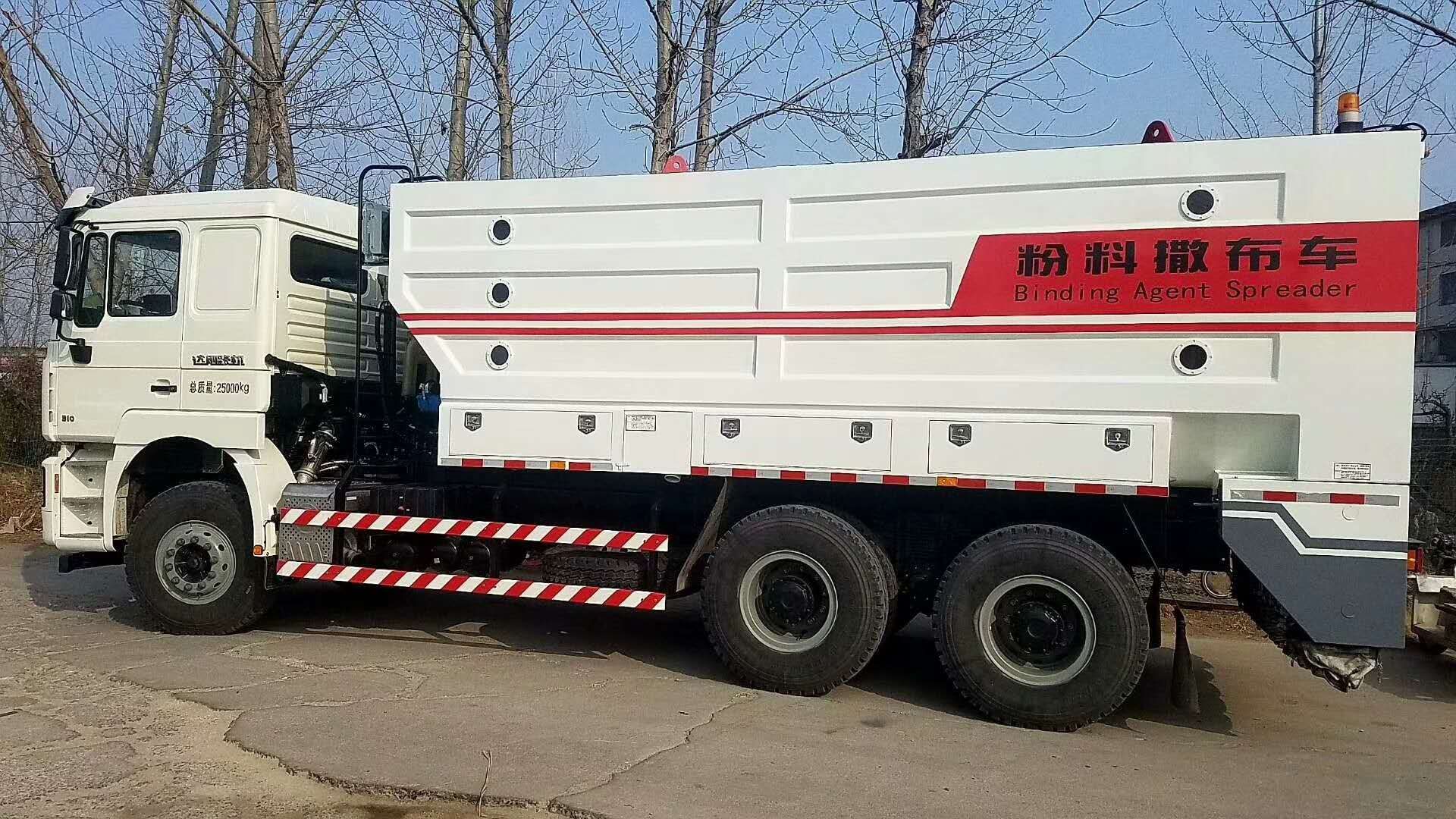
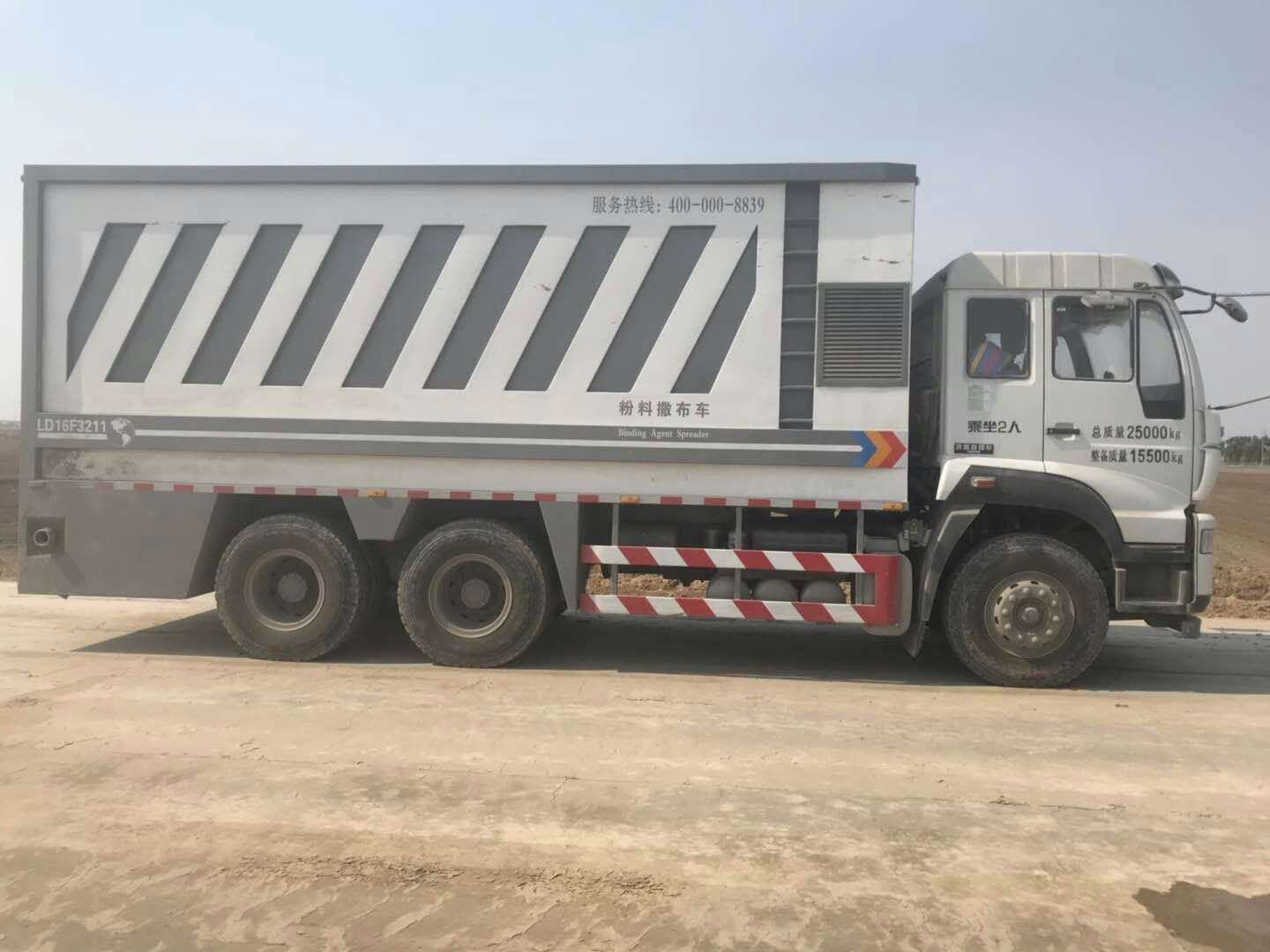
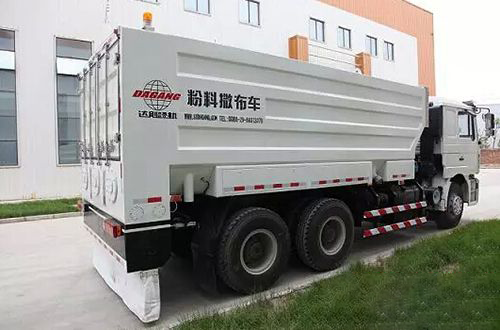
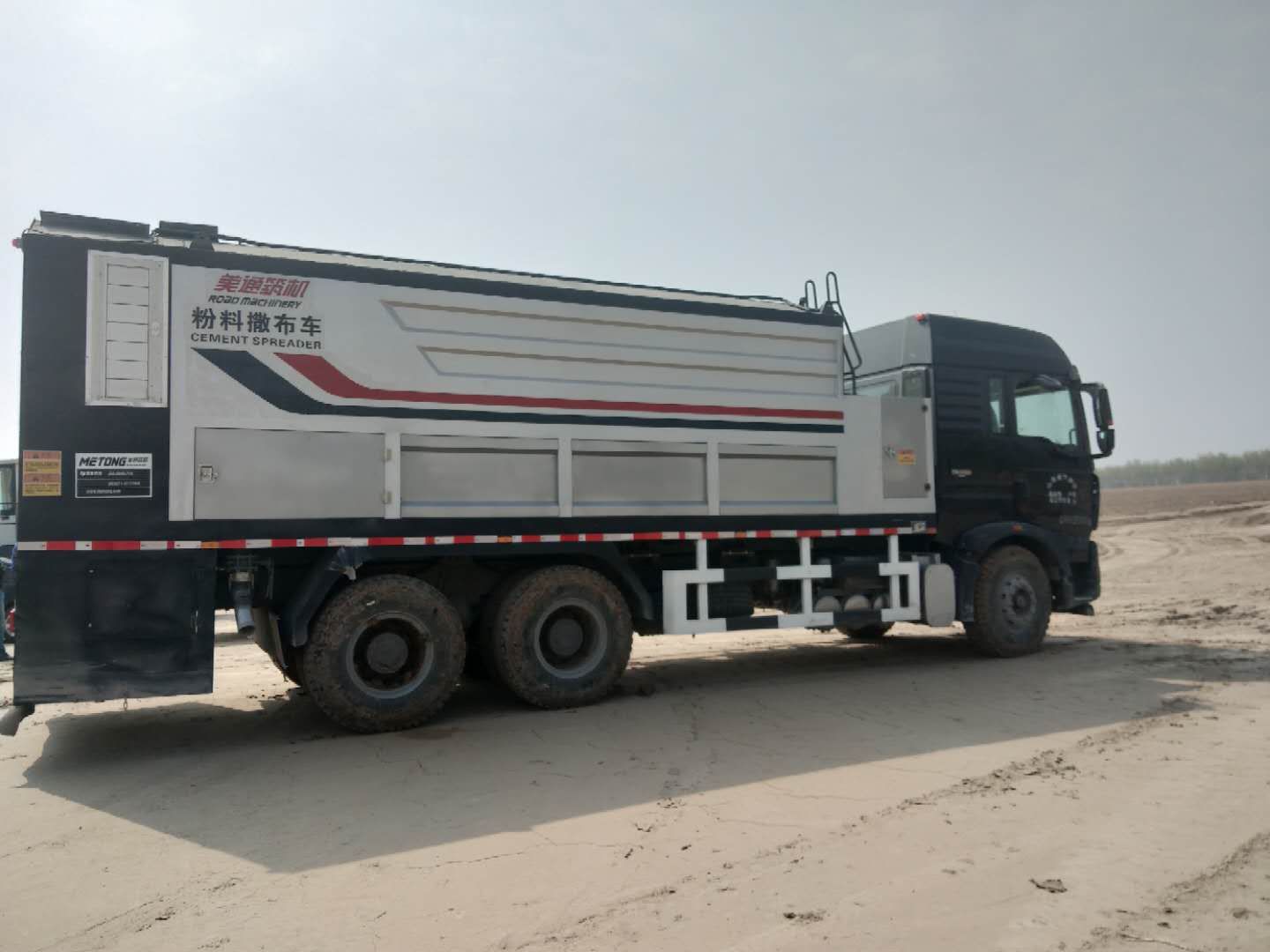
4、添加剂摊铺,按非常大干容重、压实厚度和外掺剂的剂量要求,计算每平方米冷再生混合料需要的外掺剂数量;
4. Additive paving, calculate the required amount of admixture per square meter of cold recycled mixture based on the maximum dry bulk density, compaction thickness, and dosage requirements of the admixture;
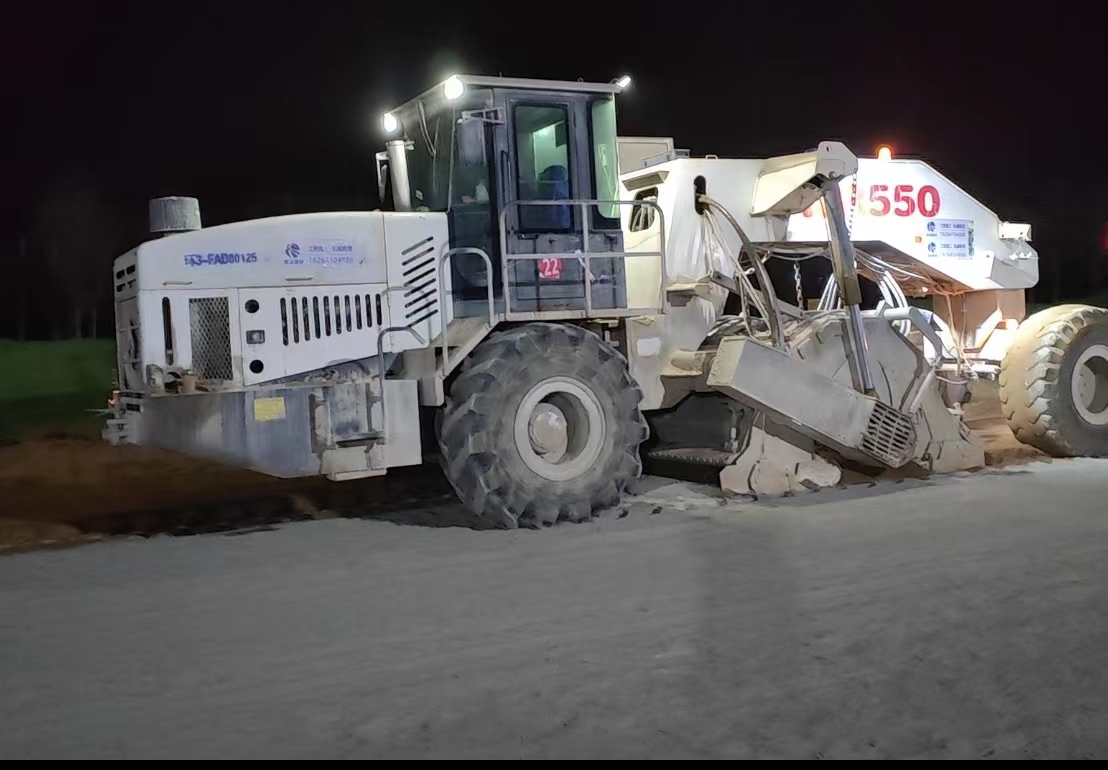
5,拌和,用再生机边拌和边洒水,边拌和均匀,可适当增加拌合及洒水遍数;
5. Mixing: Use a recycling machine to mix while watering, and mix evenly. The number of mixing and watering times can be appropriately increased;
6、初平,拌和完成后再生机迅速按路拱横坡初平;
6. Initial leveling, after mixing is completed, quickly level the road according to the cross slope of the road arch;
7、排压,用30吨以上的振动碾挂重振先排压一遍,一去一回为一遍,重叠1/2轮宽;
7. Pressure relief, use a vibrating roller weighing more than 30 tons to lift and restore the vehicle. First, release the pressure once, with one go and one return as one pass, overlapping by 1/2 of the wheel width;
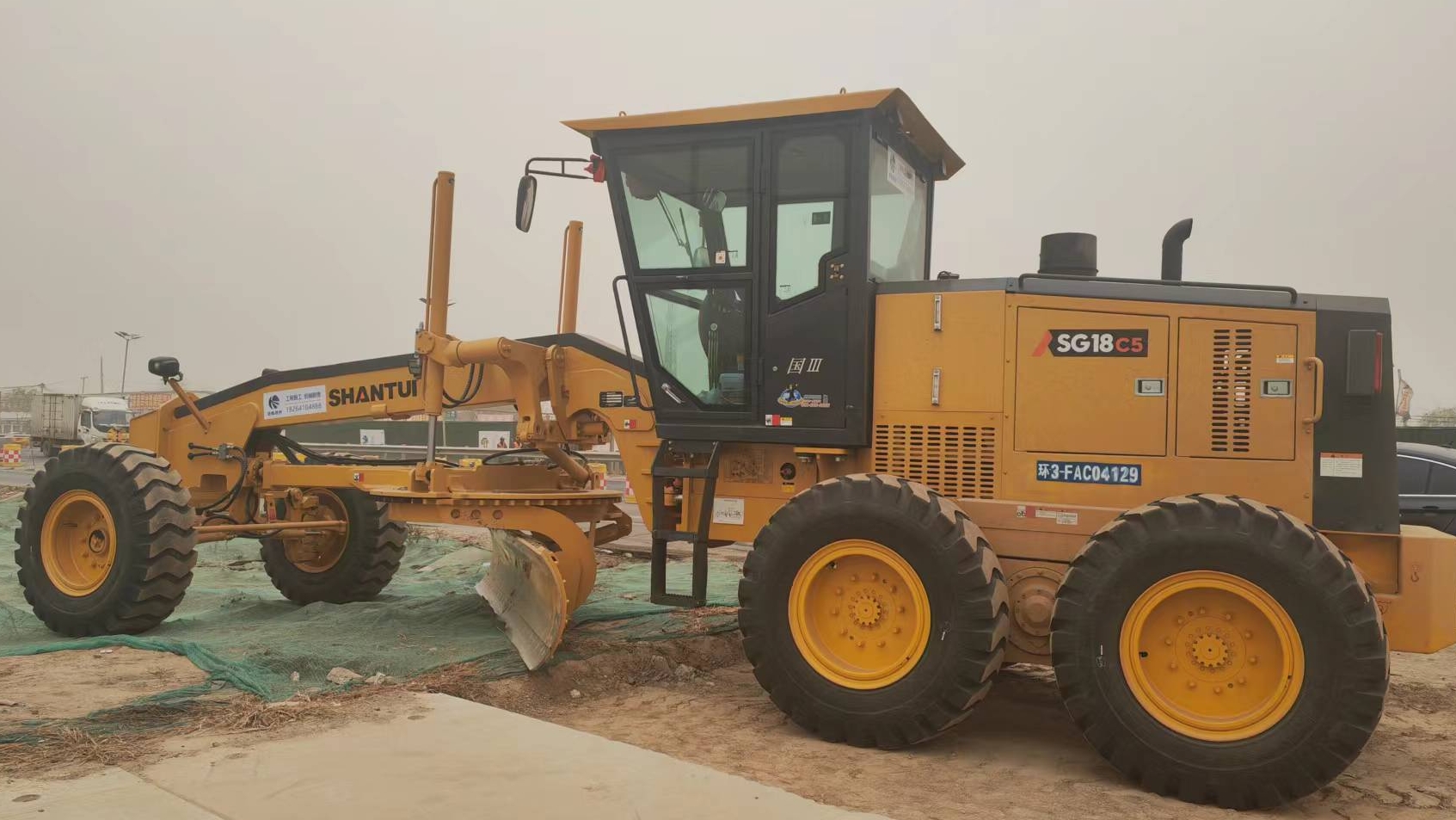
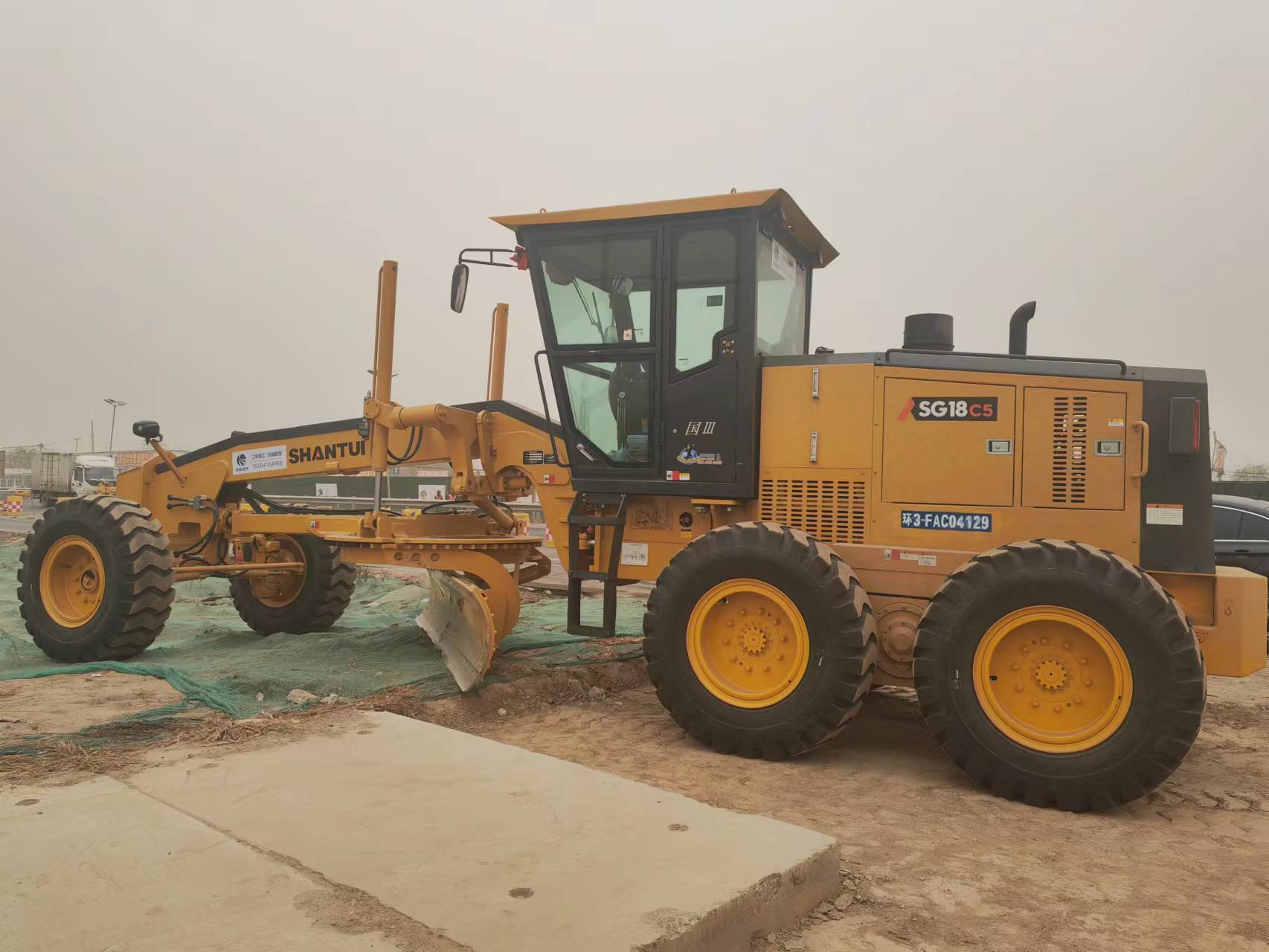
8、找平,用再生机的平地机功能按设计高程及横坡进行初平、中平、细平,直至高程、横坡满足设计要求;
8. Leveling: Use the grader function of the regeneration machine to perform initial leveling, middle leveling, and fine leveling according to the design elevation and cross slope, until the elevation and cross slope meet the design requirements;
9,突出成型,对于水泥类稳定材料从加水到压实完毕不能超过水泥的终凝时间,不允许间歇或第二天再补压; 10、养生,养生质量与冷再生结构层强度的形成有密切关系,养生不好会导致路面强度的形成。 现较为常用的施工方法为一次性拌和方法,此方法对设备的要求较高,它的优点就是节省时间与用工,且不会存在夹层现象。3.3 现场冷再生施工质量控制现场冷再生施工过程中,为确保冷再生及施工基层和底基层质量达到标准,建议进行以下质量控制。
9. Rolling forming: For cement stabilized materials, the time from adding water to compaction must not exceed the final setting time of the cement, and intermittent or second day compaction is not allowed; 10. Health preservation, the quality of health preservation, is closely related to the formation of cold recycled structural layer strength. Poor health preservation can lead to the formation of road surface strength. The commonly used construction method now is the one-time mixing method, which requires high equipment requirements. Its advantage is that it saves time and labor, and there will be no interlayer phenomenon. 3.3 Quality Control of On site Cold Recycling Construction During the on-site cold recycling construction process, in order to ensure that the quality of the cold recycling and construction base and sub base meets the standards, the following quality controls must be carried out.
1、旧路病害预处理控制需要进行冷再生处治的沥青混合料路面,都会存在不同程度、不同种类的病害,如果直接在上面应用冷再生机处治,势必会影响到再生后的整体质量;又由于旧路的不同段落结构层存在不同的情况,如干湿状态、破损程度、弯沉大小等,这就要求在设计和施工时,根据各路段的不同特点,进行详细的调查和方案调整。对于坑槽,如果只是沥青部分破损,基层相对完好,可将此部位清理后重新添加符合二灰级配的0~20mm的连续级配碎石;如果坑槽较深,已经影响到基层且经常积水,就要求将此部位有效挖除,重新回填二灰碎石或水稳碎石到旧路标高,然后进行冷再生[3]。2、级配的控制施工过程中,应根据原路面不同情况的路段划分,及时检测冷再生料的级配,看是否与设计配比一致。如果实测级配与设计级配有偏差,应分析原因,及时调整转子转速及再生机行走速度。
1. The pre-treatment and control of old road diseases require cold regeneration treatment for asphalt mixture pavement, which will have different degrees and types of diseases. If cold regeneration treatment is directly applied on it, it will inevitably affect the overall quality after regeneration; Due to the different structural layers of different sections of the old road, such as dry and wet conditions, degree of damage, and deflection size, it is necessary to conduct detailed investigations and adjust plans according to the different characteristics of each section during design and construction. For potholes, if only the asphalt part is damaged and the base layer is relatively intact, this area can be cleaned and a continuous graded crushed stone of 0-20mm that meets the requirements of the two ash gradation can be added again; If the pit is deep and has already affected the base layer and often accumulates water, it is required to thoroughly excavate this area, backfill with crushed stone or water stabilized crushed stone to the old road elevation, and then carry out cold regeneration [3]. 2. During the construction process of gradation control, the gradation of cold recycled materials should be checked in a timely manner according to the different conditions of the original road section, to see if it is consistent with the design ratio. If there is a deviation between the measured grading and the designed grading, the cause should be analyzed and the rotor speed and the walking speed of the regeneration machine should be adjusted in a timely manner.
3、高程的控制冷再生机施工基层或底基层非常难控制的是高程,他不同于摊铺机摊铺基层可一次成型,标高容易掌握,而冷再生施工是冷再生后用平地机刮平,这样控制标高比较困难,因此冷再生稳压后建议由技术人员及时放出标高线,平路机操作人员要在专人指挥下按照放出的标高线进行刮平,要刮高、填低,确实保证达到设计标高,使平整度和路拱都符合要求。刮平时还应设一人工小组负责在平地机刮平整形后,将粗集料铲除,换以新的拌和均匀的混合料,在刮平过程中严禁形成薄层贴补现象,薄层贴补容易脱落和被推移,因此不能在光滑的表面低洼处填补新料。
3. The most difficult aspect to control during the construction of the base or sub base using a cold recycling machine is the elevation. Unlike a paver, which can form the base in one go and easily control the elevation, cold recycling construction involves using a leveling machine to level it after cold recycling, making it difficult to control the elevation. Therefore, after the cold recycling is stabilized, technical personnel must promptly release the elevation line. The leveling machine operator must follow the released elevation line under the command of a dedicated person to level and fill it low, ensuring that the design elevation is reached and that the flatness and road arch meet the requirements. During the leveling process, a manual team should be set up to remove the coarse aggregate and replace it with a new and evenly mixed mixture after the leveling machine is leveled and shaped. It is strictly prohibited to form a thin layer of patching during the leveling process. Thin layer patching is easy to fall off and be pushed, so new material cannot be filled in low-lying areas on smooth surfaces.
4、突出控制突出的遍数、突出时的含水量及突出的速度等均影响突出的质量。因此突出时严格控制突出遍数和突出的速度,一定要按要求突出。突出时应控制混合两的含水两,这是为了弥补突出过程中水分的损失。含水过大既影响混合料可能达到的密度和强度,又会明显提升混合料的干缩性,使结构层容易产生干缩裂缝;而含水量过小,也会影响混合料可能达到的密度和强度。突出结束后,立即开始养生,养生期一般为7d[4]。
4. The number of passes, moisture content, and speed of rolling control all affect the quality of rolling. Therefore, the number of rolling passes and the speed of rolling must be strictly controlled during compaction, and the compaction must be carried out according to the requirements. When rolling, the moisture content of the two mixtures should be controlled to compensate for the loss of moisture during the rolling process. Excessive moisture content not only affects the density and strength that the mixture may achieve, but also significantly increases the dry shrinkage of the mixture, making the structural layer prone to dry shrinkage cracks; However, a low moisture content can also affect the density and strength that the mixture may achieve. After the compaction is completed, immediately start the health preservation period, which is generally 7 days.
4 结语沥青现场冷再生技术是一门已经应用多年的道路维修技术,在国内的研究也较为广泛,但真正搞好这种新兴工艺实际并不容易,对于各个环节的精心控制直接决定了再生质量。随着现场冷再生技术的进一步推广应用必将给社会节约大量的资金,减轻环境污染,其不仅对交通干扰小、改善路面级配、降低孔隙率、还能延缓路面老化,给我国旧沥青路面改建带来不可估量的经济效益和社会效益。
Conclusion: Asphalt on-site cold recycling technology is a road maintenance technology that has been applied for many years and has been widely studied in China. However, it is not easy to truly improve this emerging process, and careful control of each link directly determines the quality of recycling. With the further promotion and application of on-site cold recycling technology, it will save a lot of funds for society and reduce environmental pollution. It not only has minimal traffic interference, improves road grading, reduces porosity, but also delays road aging, bringing immeasurable economic and social benefits to the reconstruction of old asphalt pavements in China.



 公司地址:济南市槐荫区经一路273号群盛华城2号楼1-404
 公司名称:山东途畅路桥工程有限公司
  备案号:
备案号: