

行业资讯
浅谈水泥稳定砂砾就地冷再生施工质量控制
A Brief Discussion on Quality Control of Cement Stabilized Gravel in situ Cold Recycling Construction
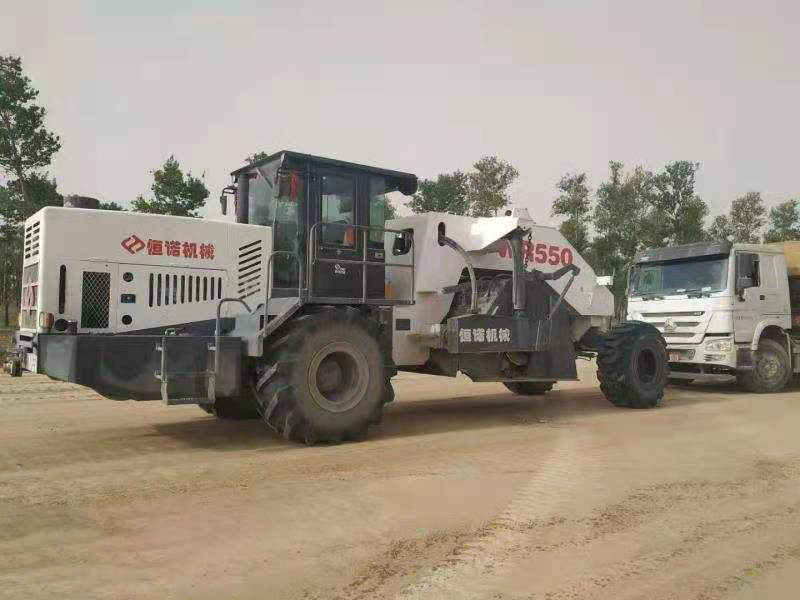
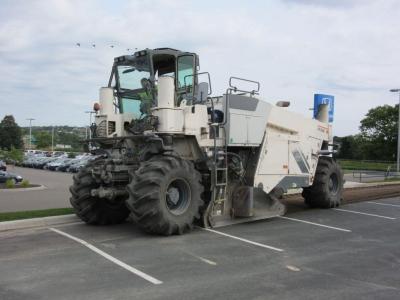
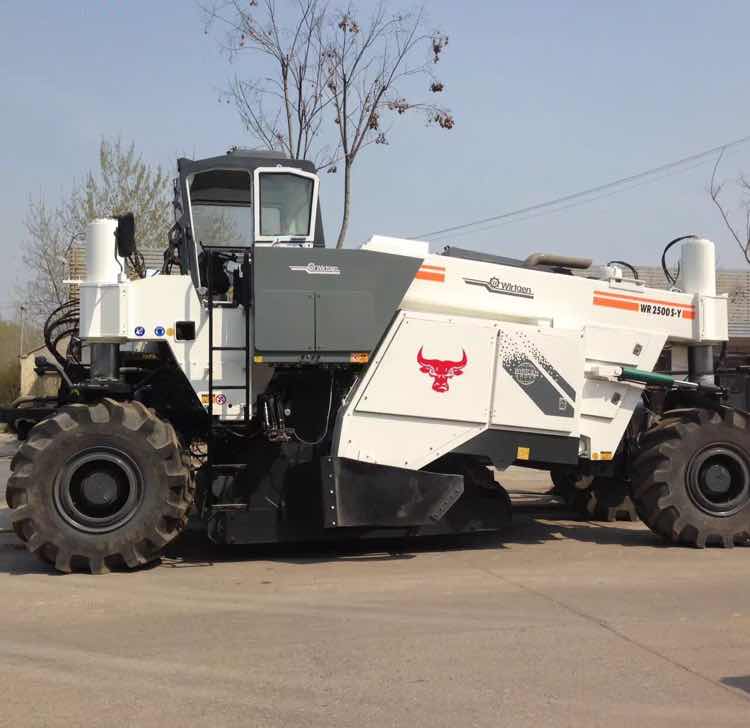
摘要:近年来,随着科技的发展,许多新的施工设备和施工工艺在在施工中得到推广和应用,它以施工进度快、工程造价低、节约资源、可以有效的利用原有道路结构层就地施工,同时施工场地不受限制,对环境的影响很小。避免了厂拌时对环境的污染。下面就以某条公路运用维特根路拌机就地冷再生施工为例详细阐述水泥稳定就再生施工质量控制的几个环节。
Abstract: In recent years, with the development of technology, many new construction equipment and construction techniques have been promoted and applied in construction. They have the advantages of fast construction progress, low project cost, resource conservation, and can effectively utilize the original road structure layer for on-site construction. At the same time, the construction site is not restricted, and the impact on the environment is minimal. Avoiding environmental pollution during factory mixing. Taking the on-site cold recycling construction of a certain highway using a Wittgen road mixer as an example, this article elaborates in detail on several aspects of quality control in cement stabilization and recycling construction.
关键词:水泥稳定 砂砾 冷再生 施工 质量 控制
Keywords: Cement stabilized gravel cold recycling construction quality control
1 工程控制及主要数量
1. Engineering control and main quantities
1.1 路线等级标准:四级公路技术标准,全线路基宽为5.5m,双向通行,行车道宽度为5.0m,路肩宽为2×0.25m。
1.1 Route grade standard: technical standard for fourth-class highway, with the subgrade width of 5.5m, two-way traffic, lane width of 5.0m and shoulder width of 2 × 0.25m.
1.2 主要工程数量:路面工程:厚20cm水泥稳定就地冷再生底基层结构为:在原路面3cm沥青混凝土面层+15cm石灰稳定砂砾基层上,加铺5cm厚天然砂砾新料后再通过水泥稳定再生做底基层,其中水泥含量为5.5%。
1.2 Main engineering quantities: Road surface engineering: 20cm thick cement stabilized in-situ cold recycled subbase structure: on the original road surface 3cm asphalt concrete surface layer+15cm lime stabilized gravel base layer, add 5cm thick natural gravel new material and then use cement stabilized recycled to make the subbase layer, with a cement content of 5.5%.
2 施工方案
2 Construction Plan
2.1 准备工作
2.1 Preparation work
①材料要求
① Material requirements
a 再生沥青混合料。主要是面层材料、基层材料和部分底基层材料。再生沥青混合料的非常大尺寸不应大于53mm(方孔筛),不得含有污染物、杂草或其他有害物质,并要易于粉碎和拌和。
Recycled asphalt mixture. Mainly consisting of surface layer materials, base layer materials, and some sub base layer materials. The maximum size of recycled asphalt mixture should not exceed 53mm (square hole sieve), and should not contain pollutants, weeds or other harmful substances, and should be easy to crush and mix.
b 冷再生稳定剂(水泥)。水泥应符合《公路路面基层施工技术规范》(JTJ034-2000)规定要求。选用初凝时间3小时以上和终凝时间较长(宜在6小时以上)的复合硅酸盐水泥,不应使用快硬水泥、早强水泥以及受潮变质的水泥。施工中一般应采用32.5级水泥。
Cold recycled stabilizer (cement). Cement shall comply with the requirements of the Technical Specification for Construction of Highway Pavement Base (JTJ034-2000). Composite Portland cement with an initial setting time of more than 3 hours and a final setting time of more than 6 hours should be selected, and fast hardening cement, early strength cement, and cement that has deteriorated due to moisture should not be used. 32.5 grade cement should generally be used during construction.
c 砂砾。砂砾为天然砂砾,非常大粒径应不超过53mm,按粒径9.5-13.5mm规格备料,压碎值不应大于35%,粗集料针片壮含量不大于18%。砂砾中小于0.5mm的颗粒须做液限和塑性指数试验,要求液限小于28%,塑性指数小于9。
C gravel. The gravel is natural gravel, with a maximum particle size of no more than 53mm. It is prepared according to the particle size specification of 9.5-13.5mm, and the crushing value should not exceed 35%. The needle strength content of coarse aggregate should not exceed 18%. Particles smaller than 0.5mm in gravel must undergo liquid limit and plasticity index tests, with a liquid limit of less than 28% and a plasticity index of less than 9.
d 水。采用山下青家河河水,该水源干净无杂物。符合工程用水。
D water. Using the water from the Qingjia River at the foot of the mountain, this water source is clean and free of debris. Compliant with engineering water usage.
②冷再生水泥稳定底基层混合料组织设计
② Organizational design of cold recycled cement stabilized subgrade mixture
a根据设计要求和冷再生混合料的强度标准,通过现场试验确定出混合料的非常佳含水量和非常大干密度,按《公路路面基层施工技术规范》(JTJ034-2000)和进行设计试验。
According to the design requirements and strength standards of cold recycled mixtures, the optimal moisture content and maximum dry density of the mixture are determined through on-site tests, and design tests are conducted in accordance with the "Technical Specification for Construction of Highway Pavement Base" (JTJ034-2000).
b水泥冷再生改善冷再生底基层7天浸水无侧限抗压强度代表值R代应满足1.50Mpa(设计值)。
The representative value R of the unconfined compressive strength of the cold recycled subbase after 7 days of immersion in water should meet 1.50Mpa (design value).
c试件室内试验结果抗压强度的代表值按下式计算:R代=R(1-ZaCv)。式中:R代――抗压强度代表值,MPa;R――该组试件抗压强度平均值,MPa;Za――保证率系数,二级及二级以下公路为95%,此时Za=1.282;Cv――试验结果的偏差系数(以小数计)。
The representative value of compressive strength of the indoor test results of specimen C is calculated according to the following formula: R=R (1-ZaCv). In the formula: R represents the representative value of compressive strength, MPa; R - the average compressive strength of the test specimens in this group, MPa; Za - guarantee rate coefficient, 95% for second level and below highways, where Za=1.282; Cv - Deviation coefficient of experimental results (in decimal units).
d取符合强度要求的非常佳配合比作为水泥稳定就地冷再生底基层的生产配合比,考虑水泥稳定冷再生底基层施工时水泥摊铺不均匀性,造成强度不达标,拌和采用的水泥剂量应比混合料组成设计时确定的水泥剂量增加0.5%-1%。
Take the optimal mix ratio that meets the strength requirements as the production mix ratio for the cement stabilized in-situ cold recycled subbase. Considering the uneven distribution of cement during the construction of the cement stabilized cold recycled subbase, which may cause the strength to not meet the standard, the cement dosage used for mixing should be increased by 0.5% -1% compared to the cement dosage determined during the design of the mixture composition.
e水泥稳定冷再生底基层施工掺配的水泥剂量按图纸给定的剂量控制。
The cement dosage for the construction of the E-cement stabilized cold recycled subbase shall be controlled according to the dosage given in the drawings.
2.2 施工前的准备工作
2.2 Preparation before Construction
①对摊铺砂砾和突出机械进行多维度检查,避免施工中途出现机械故障。
① Conduct a comprehensive inspection of the paving gravel and rolling machinery to avoid mechanical failures during construction.
②对冷再生基层进行多维度检查,包括平面位置、宽度、横坡及路面清洁情况。
② Conduct a comprehensive inspection of the cold recycled base layer, including its plane position, width, cross slope, and road cleanliness.
③准确的测量放线,做好标高导向控制线。
③ Accurately measure and lay out lines, and establish elevation guidance control lines.
④施工两端封闭交通,设施工标志及安全警示牌,并设专人看守,禁止非施工车辆进入施工段。
④ Close off traffic at both ends of the construction site, set up construction signs and safety warning signs, and assign dedicated personnel to guard. Non construction vehicles are prohibited from entering the construction section.
2.3 水泥稳定就地冷再生的工艺流程宜按以下顺序进行
The process flow of on-site cold regeneration for cement stabilization should be carried out in the following order
封闭交通→施工放样→准备下承层→准备新加料→冷再生机组就位→摆放和撒布水泥→铣刨与拌合→突出整形→接缝和调头处处理→养生
Closed traffic → Construction layout → Preparation of sub layer → Preparation of new materials → Placement of cold recycling unit → Placement and spreading of cement → Milling and mixing → Rolling and shaping → Treatment of joints and turning points → Health preservation
①施工放样。在再生施工之前,应先恢复道路的中心线。
① Construction layout. Before the regeneration construction, the centerline of the road should be restored first.
②准备下承层。清理原道路,并清理边线。对原道路的翻浆、坑槽等病害进行处理,使原路基本平整。
② Prepare the lower layer. Clean up the original road and clear the edges. Treat the diseases such as frost heave and potholes on the original road to make it basically flat.
③准备新加料。
③ Prepare new ingredients.
a根据原道路再生深度内的平均密度,计算每平方新加料的添加量。
Calculate the amount of new material added per square meter based on the average density within the original road regeneration depth.
b根据每车料的质量或体积,计算每车料的堆放距离;本工程全幅宽度5.5m,天然砂砾厚度约5cm,布料按0.25m3/m布设。
Calculate the stacking distance of each vehicle based on its mass or volume; The full width of this project is 5.5m, with a natural gravel thickness of about 5cm. The fabric is laid out at a rate of 0.25m3/m.
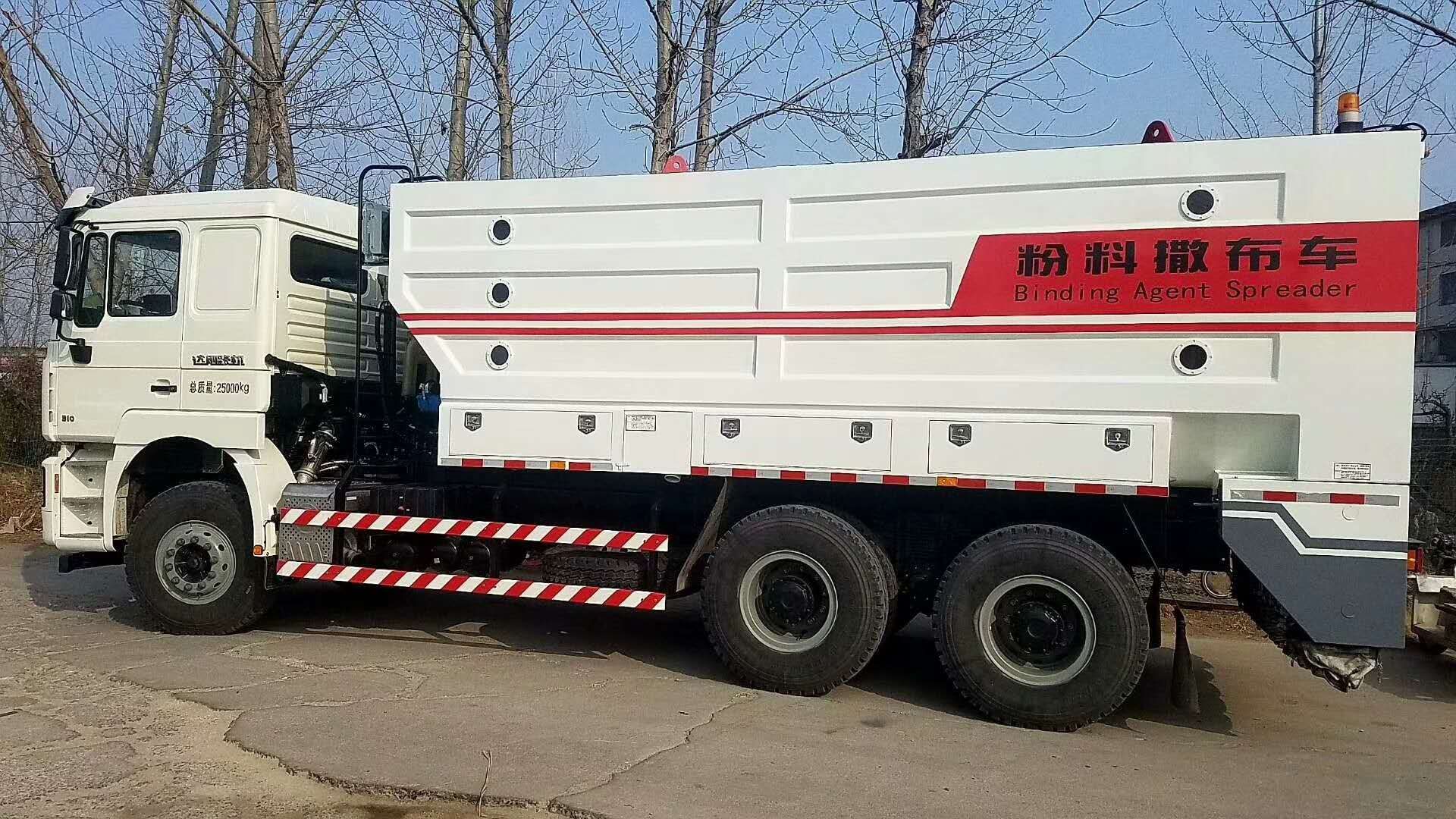
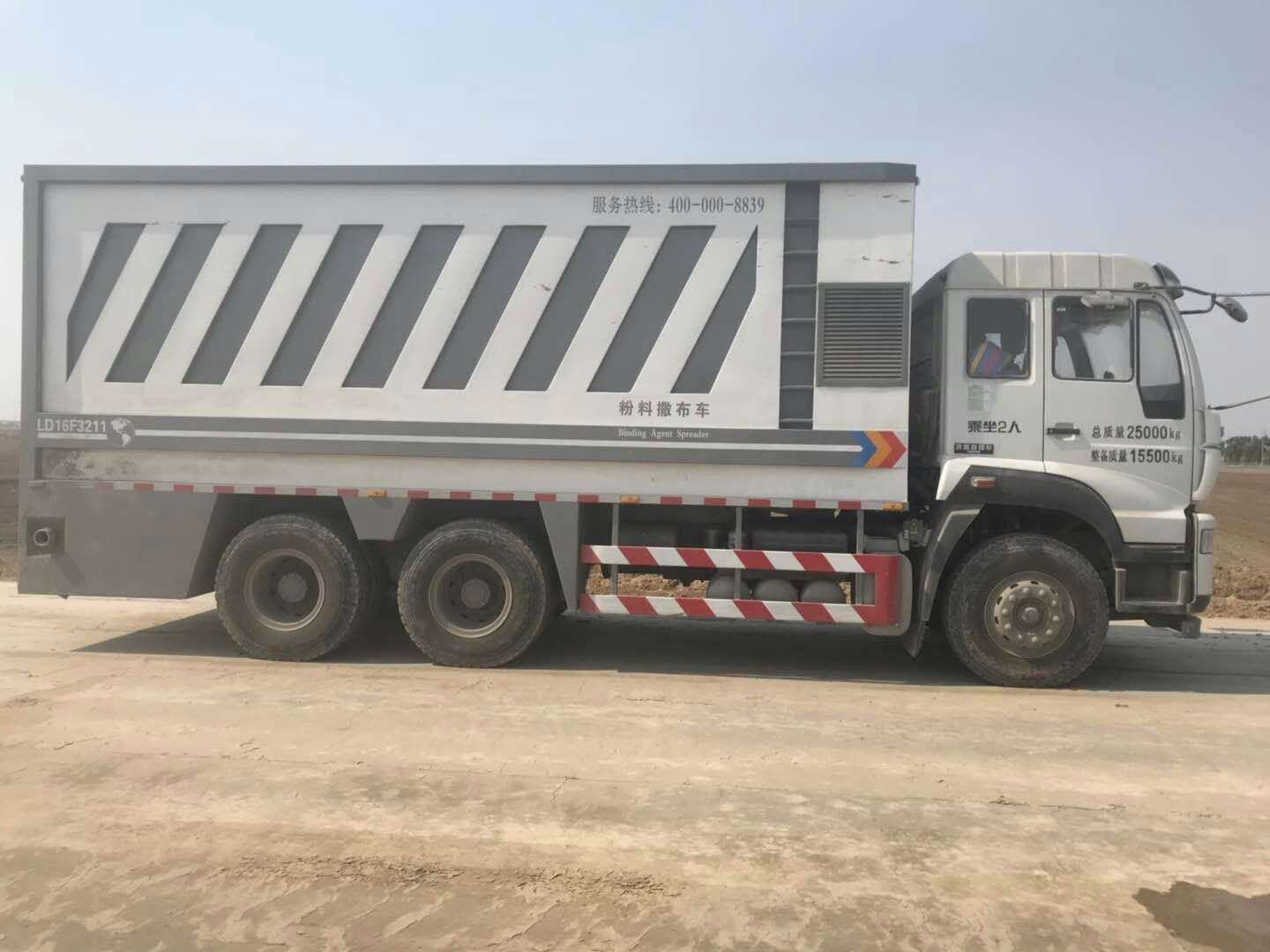
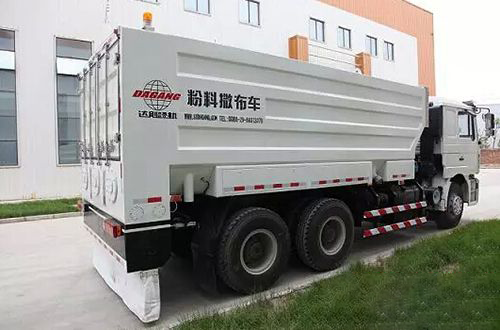
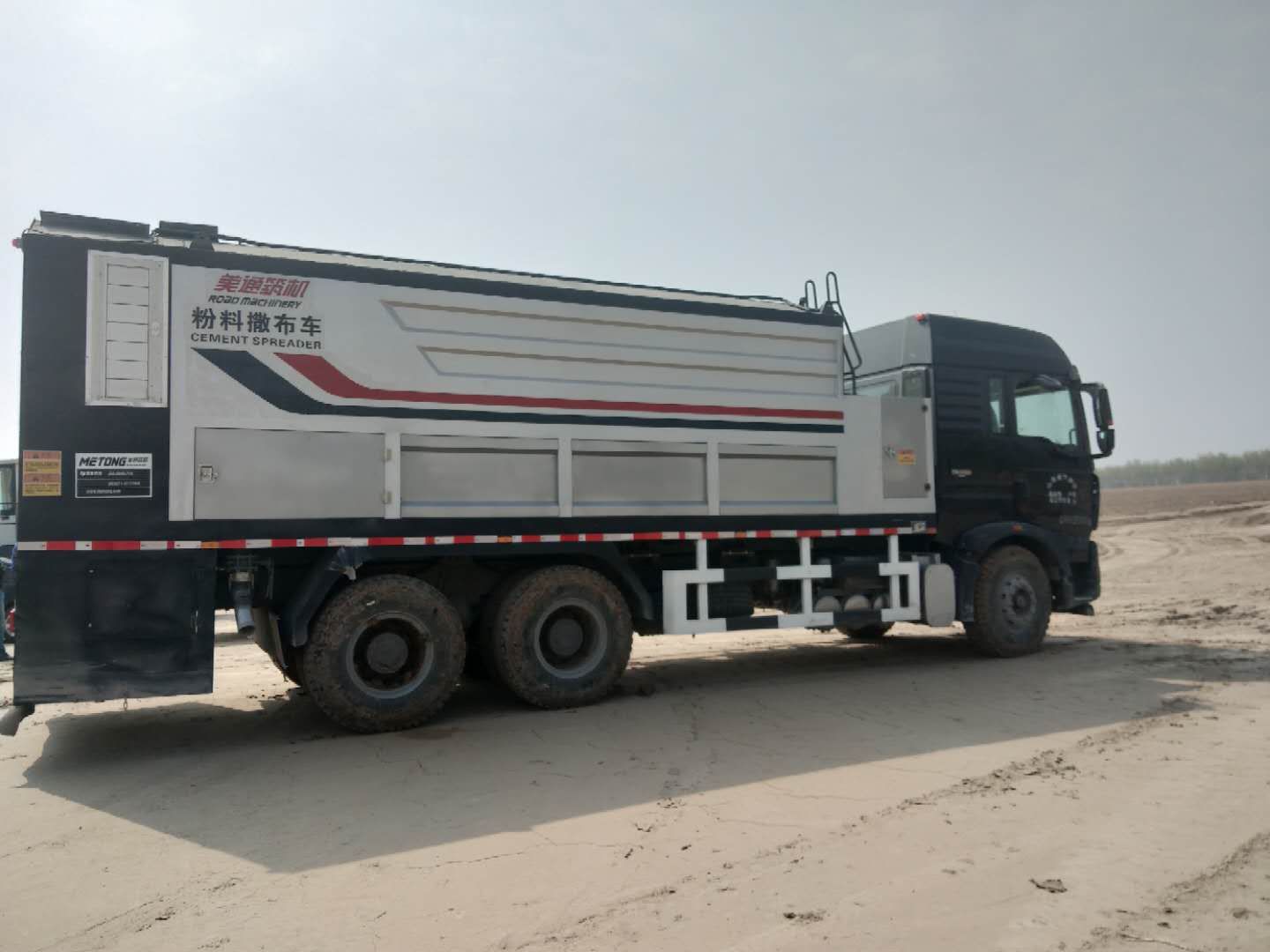
c人工摆放和撒布水泥,根据水泥剂量,计算每1平方米水泥稳定层需要的水泥用量为22.5Kg。新加料装车时,应控制每车料的数量基本相等。在同一料场供料的路段内,由远到近将料按上述计算距离卸置于路面的中间。卸料距离应严格掌握,避免有的路段料不够或过多。将新加料均匀地撒布在旧路面上,并检查新加料撒布是否均匀。
Manually place and spread cement, and calculate the amount of cement required for each 1 square meter of cement stable layer based on the cement dosage, which is 22.5kg. When loading new materials, the quantity of each vehicle should be controlled to be basically equal. Within the section of the same material yard where materials are supplied, the materials are unloaded in the middle of the road surface according to the calculated distance from far to near. The unloading distance should be strictly controlled to avoid insufficient or excessive material on some road sections. Spread the new material evenly on the old road surface and check if the new material is evenly distributed.
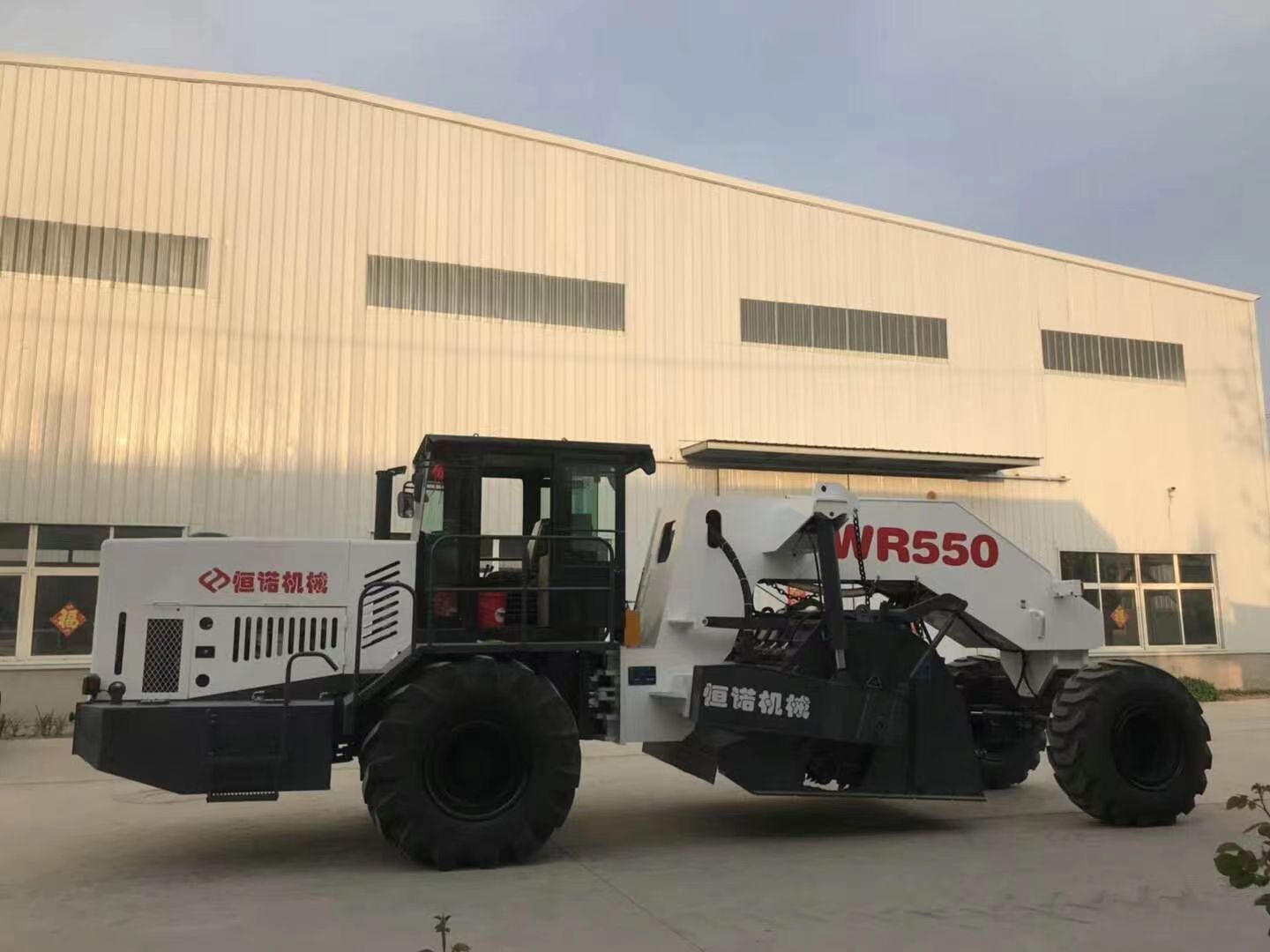
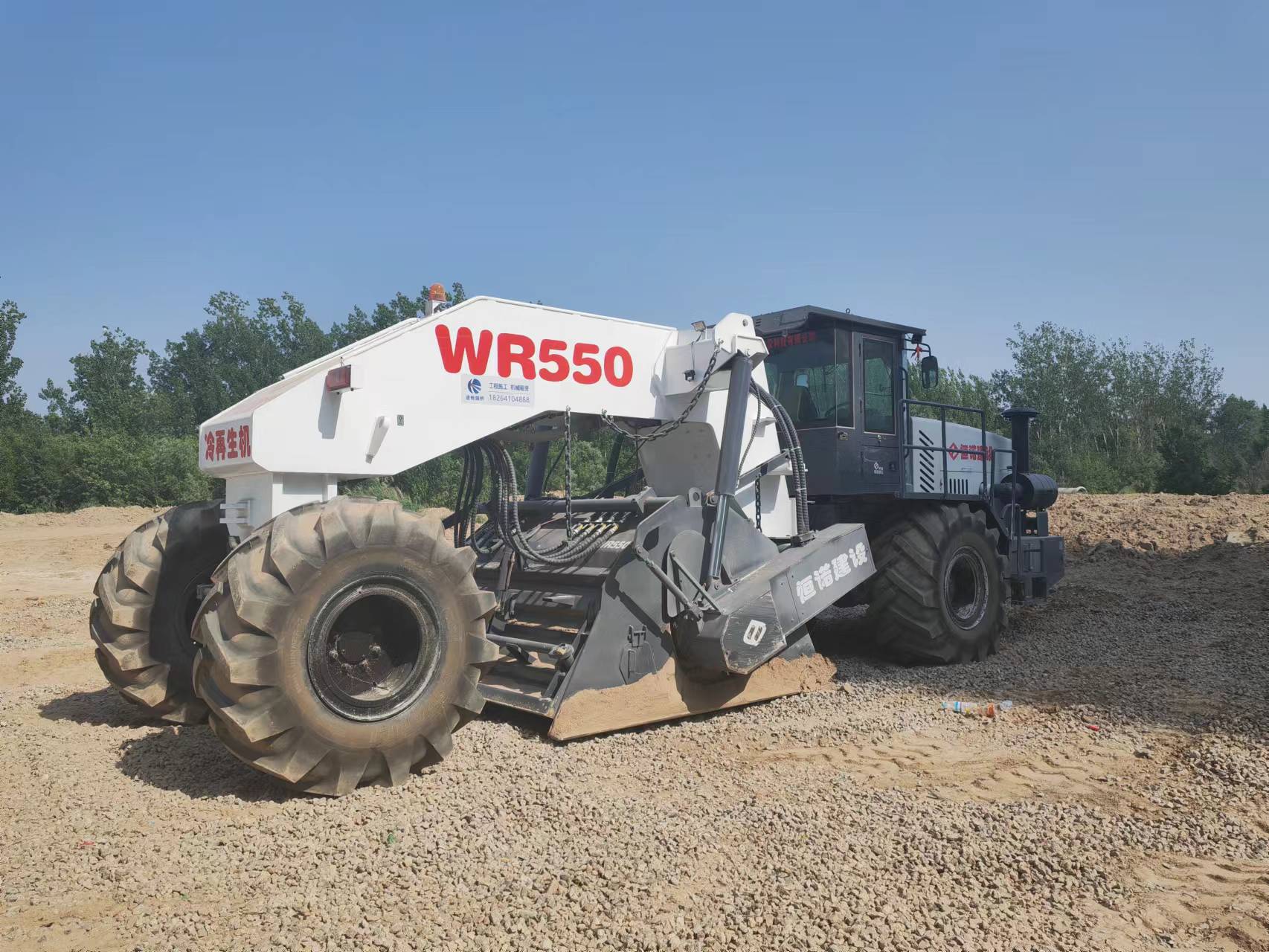
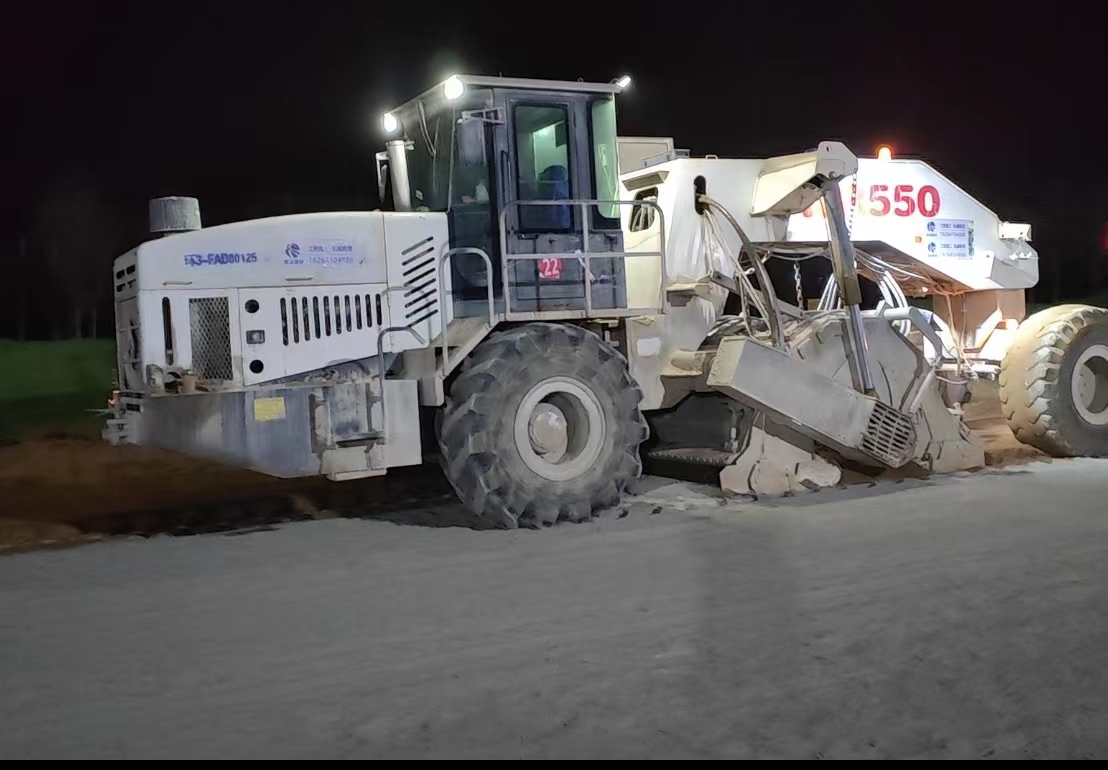
④机械就位。使用推杆连接再生机组,并连接所有与再生机相连的管道。检查再生机操作人员是否已将所有与稳定剂添加量有关的数据输入计算机。排除系统中的所有空气并确保所有的阀门均处于全开度位置。检查再生路段的导向标志,确保导向标志明确。对再生施工所需要的其他机械设备进行多维度检查。
④ Mechanical positioning. Use a push rod to connect the regeneration unit and connect all pipelines connected to the regeneration machine. Check if the operator of the regeneration machine has entered all data related to the amount of stabilizer added into the computer. Remove all air from the system and ensure that all valves are in the fully open position. Check the directional signs on the regeneration section to ensure they are clear. Conduct a comprehensive inspection of other mechanical equipment required for regeneration construction.
⑤撒布水泥。按实际计算出的每平方米水泥的用量,在天然砂砾上采用网格形式划好每三袋水泥摆放的位置,并检查有无遗漏和多余的水泥。然后将水泥均匀摊铺砂砾表面。
⑤ Spread cement. According to the actual calculated amount of cement per square meter, mark the position of every three bags of cement on natural gravel in a grid form, and check for any omissions or excess cement. Then evenly spread the cement on the surface of the gravel.
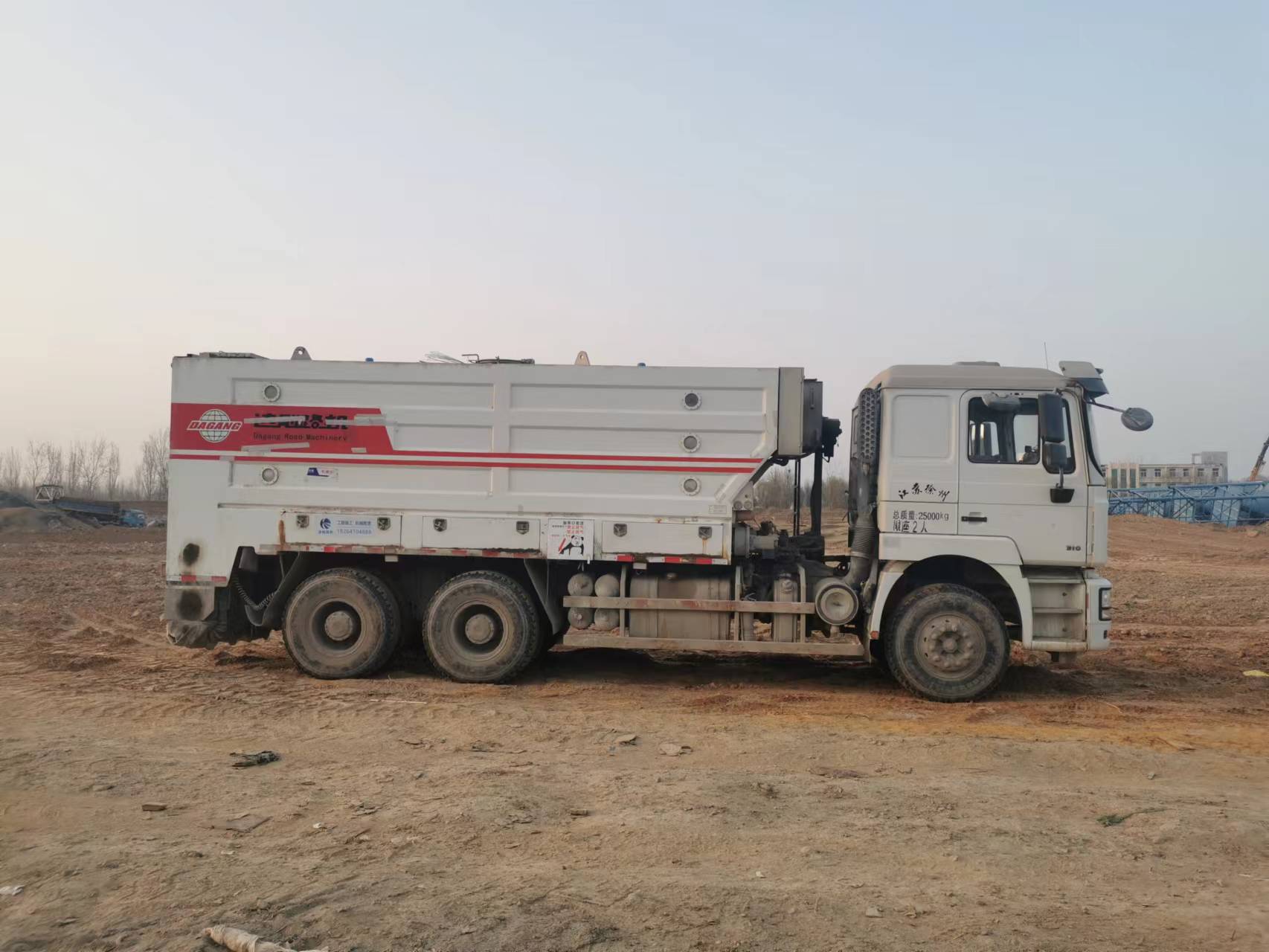
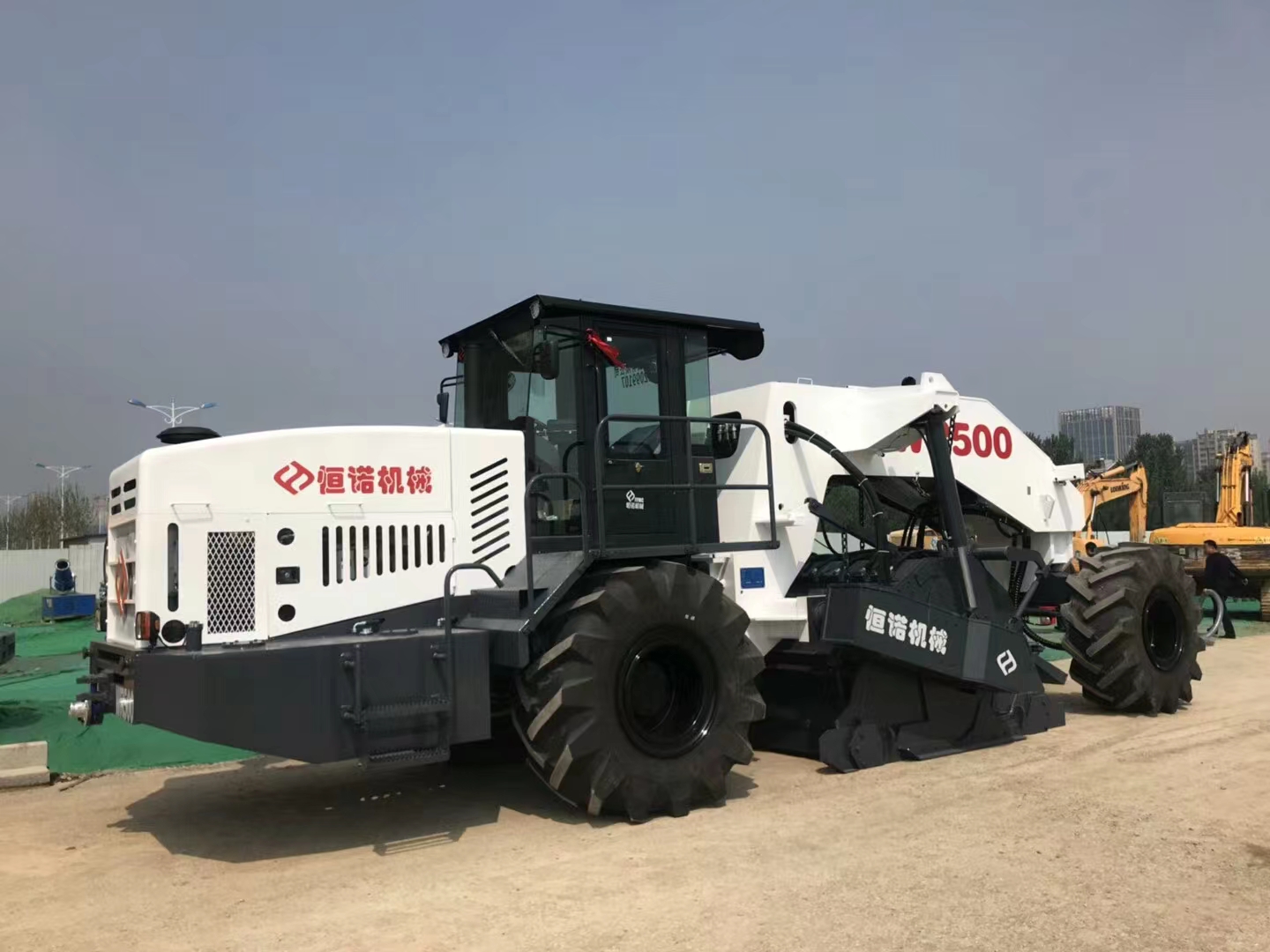
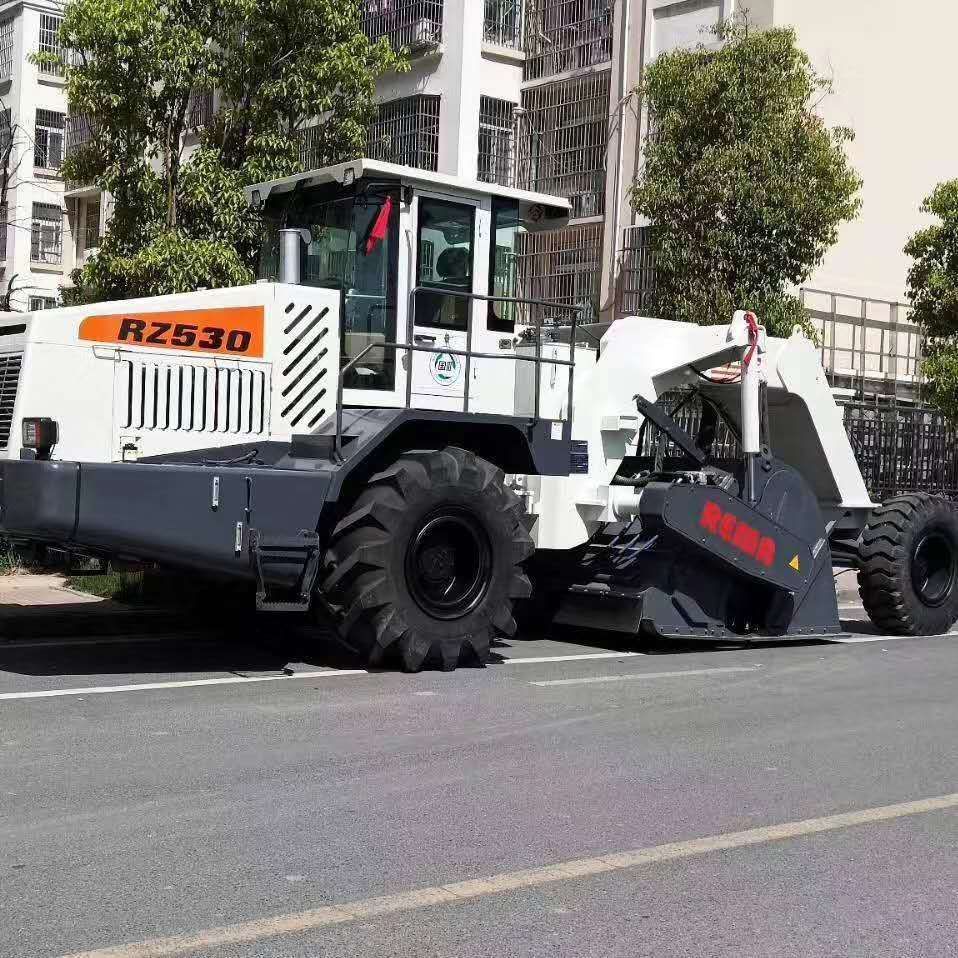
⑥冷再生机铣刨与拌和。冷再生机推动水车在原路面上行进。冷再生机行进的速度应根据路面损坏状况和再生深度进行调整,一般为6m/min-12m/min,使得铣刨后料的级配波动范围不大。网裂严重地段应降低再生机组行进的速度,提高铣刨转子的速度。
⑥ Cold recycling machine milling and mixing. The cold recycling machine drives the water truck to travel on the original road surface. The speed of the cold recycling machine should be adjusted according to the condition of road damage and the depth of recycling, generally ranging from 6m/min to 12m/min, so that the gradation fluctuation range of the milled material is not large. In areas with severe mesh cracking, the speed of the regeneration unit should be reduced and the speed of the milling rotor should be increased.
再生机后应设专人跟随,随时检查再生深度、水泥含量和含水量,并配合再生机操作员进行调整。施工中再生深度的检查以相邻已经再生或原路面为标准,用钢纤刺入土中,测量刺入深度,(即松铺厚度)看其深度是否合格。应在作业面边缘固定导向线以帮助操作者。若进行多刀施工时,应时刻注意搭接的宽度,保证搭接宽度。再生机后边安排4-5人处理边线和清理混合料中的杂质以及每刀起始位置的涂料,以防止影响纵向接缝、横向接缝、平整度和再生材料的密实性。在施工过程中,对再生深度、水的喷出量有明显疑问时,应停止施工,等问题解决后再继续施工。每次再生的长度以保证后续作业能正常进行为宜,应认真组织施工,使再生的长度尽可能长些,以减少横向接缝。一次(不停机)再生长度一般为120-180m。每段再生结束后,应检查铣刨毂的刀架、刀头,发现损坏立即更换。
After the regeneration machine, a dedicated person should be assigned to follow and check the regeneration depth, cement content, and moisture content at any time, and cooperate with the regeneration machine operator to make adjustments. The inspection of the depth of regeneration during construction is based on the adjacent regenerated or original road surface, using steel fibers to pierce into the soil and measure the penetration depth (i.e. loose paving thickness) to see if its depth is qualified. A guide line should be fixed at the edge of the work surface to assist the operator. When carrying out multi blade construction, attention should be paid to the width of the overlap at all times to ensure the overlap width. Arrange 4-5 people behind the recycling machine to handle the edges and clean impurities in the mixture, as well as the coating at the starting position of each knife, to prevent affecting the longitudinal and transverse joints, flatness, and compactness of the recycled material. During the construction process, if there are any doubts about the depth of regeneration or the amount of water sprayed, the construction should be stopped and the problem should be resolved before continuing. The length of each regeneration should be ensured to ensure the normal progress of subsequent operations. Construction should be carefully organized to make the regeneration length as long as possible to reduce horizontal joints. The length of a one-time (non-stop) regeneration is generally 120-180m. After each regeneration is completed, the tool holder and head of the milling hub should be inspected, and any damage should be replaced immediately.
2.4 突出整形
2.4 Rolling and shaping
根据路面宽度、压路机的轮宽和轮距的不同,制订突出方案,应使各部分突出到的次数尽量相同,路面的两侧应多压2-3遍。整形之前,建议首先压实轮迹间松散的材料。
According to the differences in road width, roller width, and wheelbase, a rolling plan should be formulated to ensure that each part is rolled as frequently as possible, and the two sides of the road surface should be rolled 2-3 times more. Before plastic surgery, it is necessary to first compact the loose material between the wheel tracks.
①初压。在再生机后应紧跟一台羊足突出路机进行初压,采用高幅低频进行压实,压实边数应足以保证再生层底部2/3厚度范围内的压实度达到规定要求.钢轮压路机的工作速度不得超过3km/h。
① Initial pressure. After the regeneration machine, a sheep foot roller should be used for initial compaction, using high amplitude and low frequency compaction. The number of compacted edges should be sufficient to ensure that the compaction degree within the bottom 2/3 thickness range of the regeneration layer meets the specified requirements The working speed of the steel wheel roller shall not exceed 3km/h.
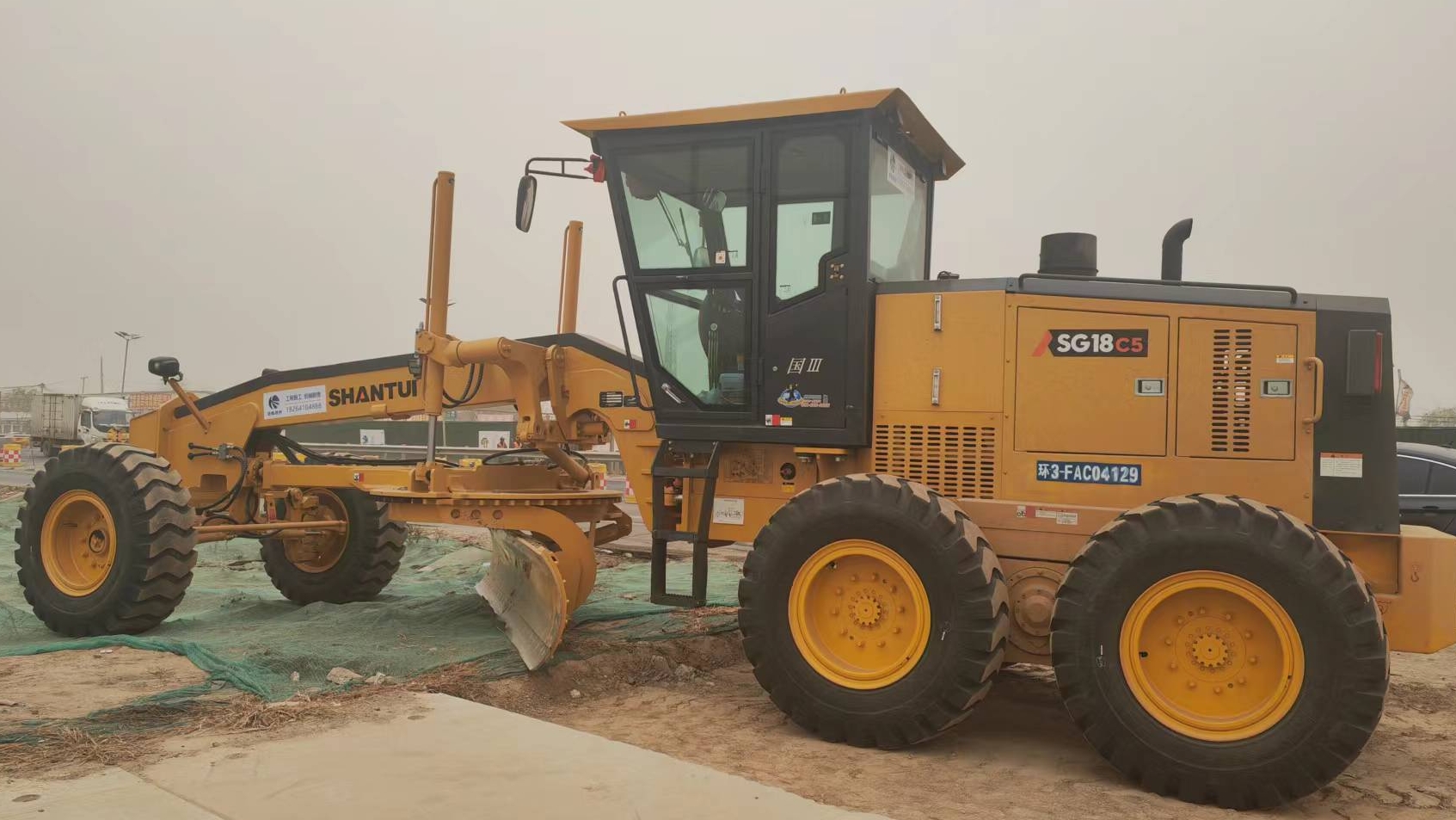
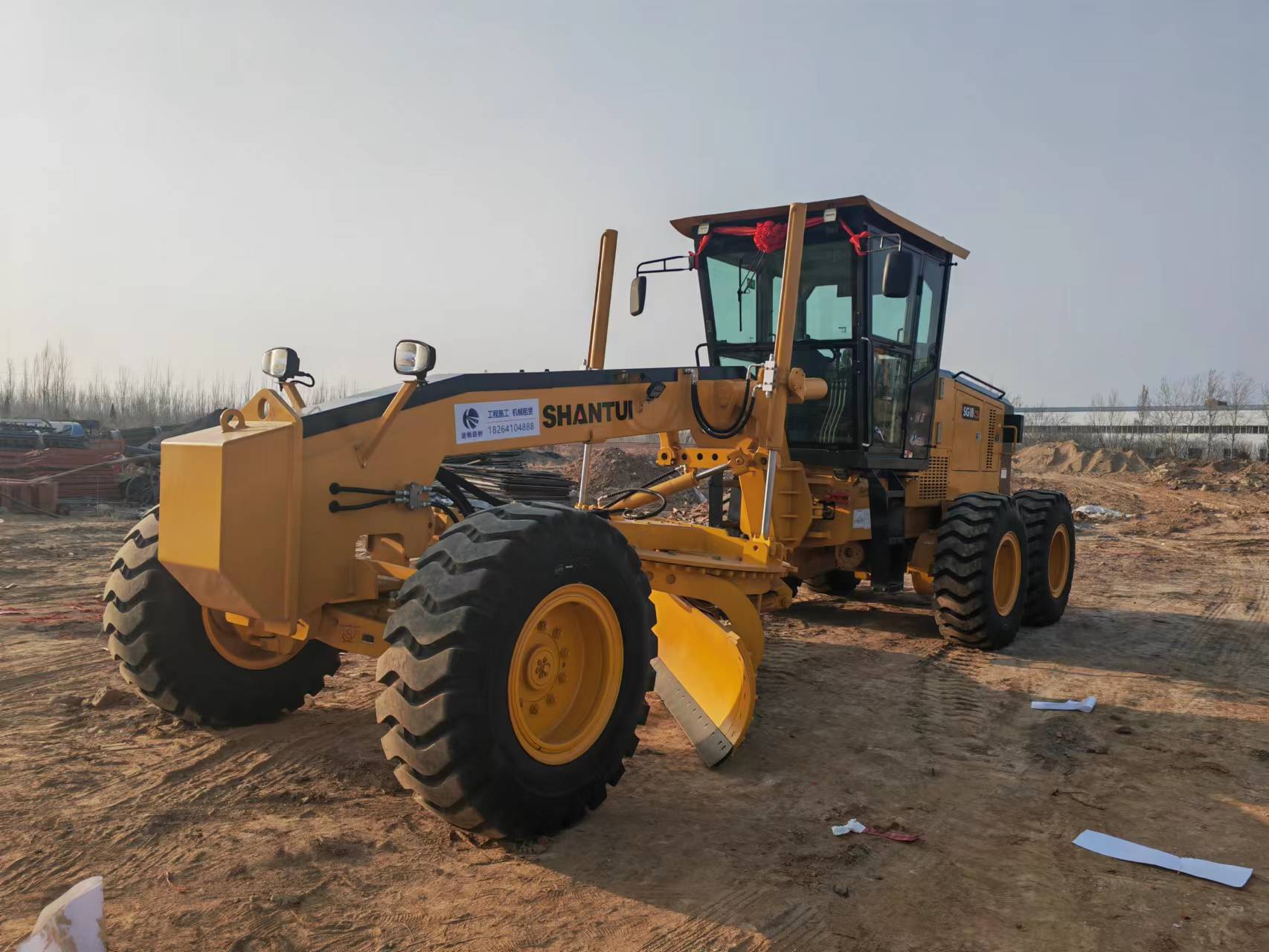
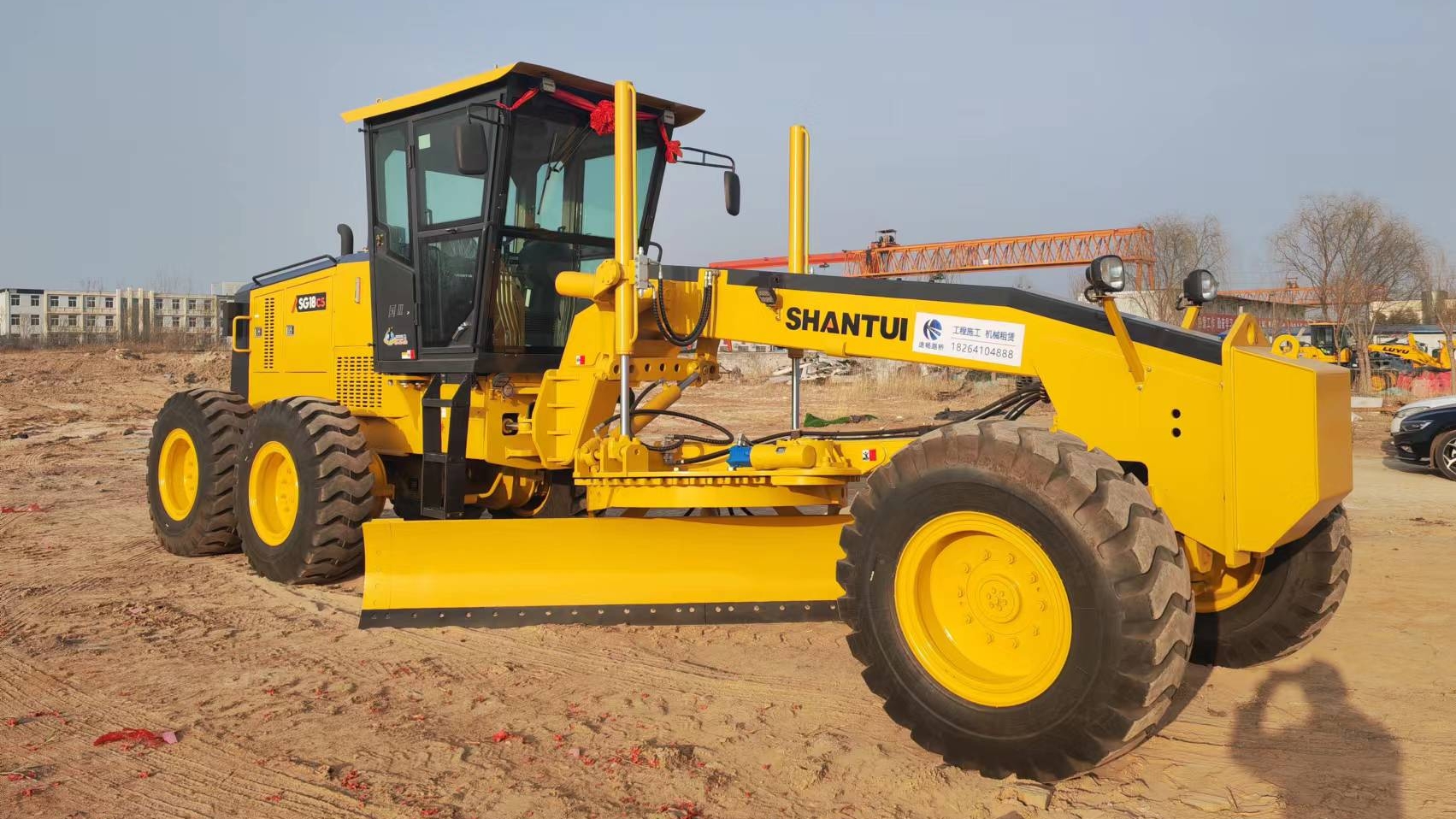
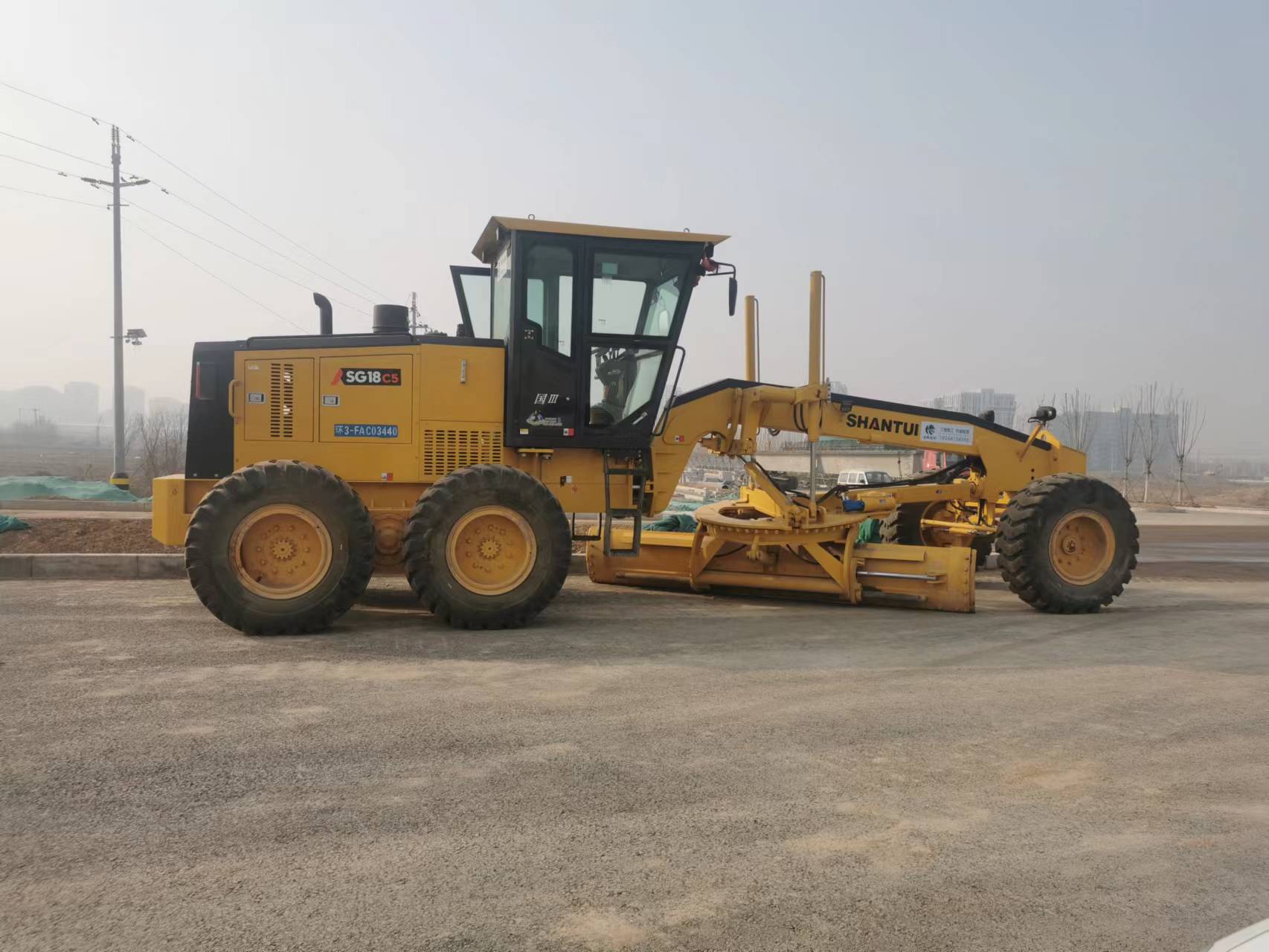
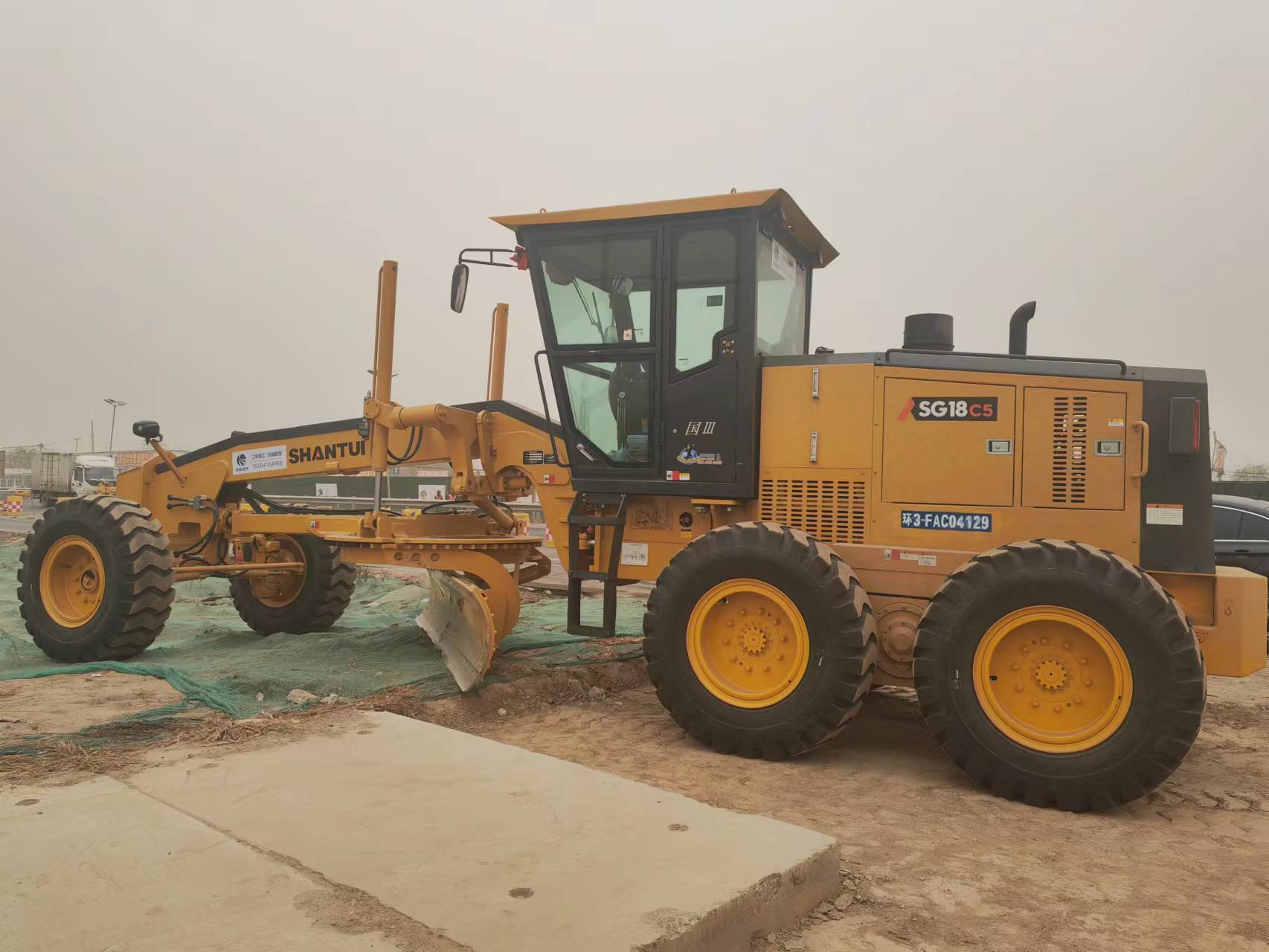
②整形。在初压完成后,应立即用平地机整形。在直线段,平地机由两侧向路中心进行整平;在平曲线段,平地机由内侧向外侧进行整平。必要时,再返回整平一遍。对于局部低洼处,应用齿耙将其表层5cm以上耙松,并用新拌的混合料进行找平。整形时将余料直接刮出路外,不应形成薄层贴补现象。在整形过程中,严禁明显车辆通行,并保持无明显的粗细集料离析现象。
② Plastic surgery. After the initial pressing is completed, a grader should be used immediately for shaping. In straight sections, the grader levels from both sides towards the center of the road; On the flat curve section, the grader flattens from the inside to the outside. If necessary, return and level again. For locally low-lying areas, use a toothed rake to loosen the surface layer by more than 5cm and level it with freshly mixed material. During plastic surgery, the excess material should be directly scraped out of the road without forming a thin layer of patching. During the plastic surgery process, it is strictly prohibited for any vehicles to pass through and there should be no obvious separation of coarse and fine aggregates.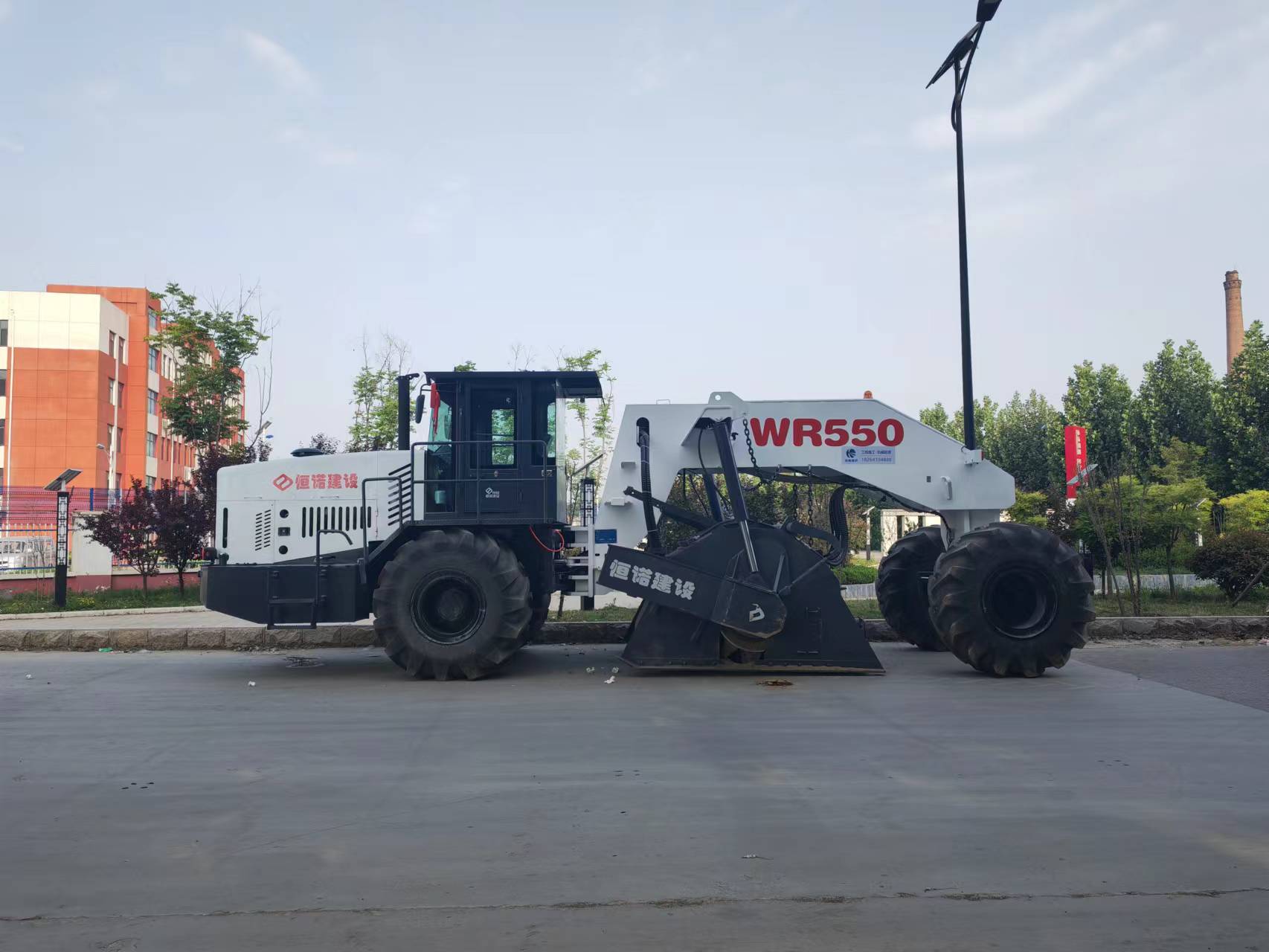
③复压。整形后,当混合料的含水量为非常佳含水量时,应立即用用钢轮压路机进行突出。先以高幅低频振动模式突出2遍,后再以低幅高频的模式突出1遍。(两侧边缘应多压2-3遍)直线和不设超高的平曲线段,由路肩向路中心突出时,设超高的平曲线,由内侧路肩至外侧路肩进行突出,突出应重叠钢轮1/4轮宽,压完路面全宽时为一遍;对于局部低洼处,应用齿耙将其表层5耙松,并添加新拌混合料进行找平。突出过程中如有“弹簧”、“松散”、“起皮”等现象,应及时翻开重新拌和(加适量的水泥)、摊铺、整平突出。 ④终压。采用铁三轮进行突出2-3遍收面。在再生机开始拌和到终压完建议在水泥的初凝时间或延迟时间内完成。
③ Re pressing. After shaping, when the moisture content of the mixture reaches the optimal moisture content, it should be immediately rolled with a steel wheel roller. First, roll twice in high amplitude low-frequency vibration mode, and then roll once in low amplitude high-frequency mode. (The edges on both sides should be pressed 2-3 times more) For straight lines and flat curved sections without excessive height, when rolling from the shoulder to the center of the road, an excessive height flat curve should be set, and rolling should be carried out from the inner shoulder to the outer shoulder. The rolling should overlap the steel wheel by 1/4 of the wheel width, and once the full width of the road surface is rolled; For locally low-lying areas, use a toothed rake to loosen the surface layer 5 and add fresh mixed material for leveling. If there are phenomena such as "spring", "looseness", "peeling" during the rolling process, they should be promptly opened and re mixed (with an appropriate amount of cement), spread, leveled and rolled. ④ Final pressure. Use iron tricycles to compact the surface 2-3 times. The mixing process in the recycling machine must be completed within the initial setting time or delay time of the cement until the final pressing is finished.
2.5 接缝的处理
2.5 Joint treatment
①纵向再生层重叠宽度应不小于20cm,应在接缝处适当多摊铺水泥。
① The overlapping width of the longitudinal regeneration layer should not be less than 20cm, and more cement should be appropriately spread at the joint.
②路面材料越厚、材料粒度越粗,重叠量越大。
② The thicker the pavement material, the coarser the material particle size, and the greater the overlap.
③相邻两次作业间隔12h以上时,重叠量应提升。
③ When the interval between two adjacent assignments is more than 12 hours, the overlap should be increased.
④纵向接缝的位置应尽量避开慢行、重型车辆的轮迹。
④ The position of longitudinal joints should avoid the wheel tracks of slow-moving and heavy vehicles as much as possible.
⑤停机超过水泥初凝时间,横向搭接长度应大于1.5m的距离,并重新撒布水泥。
⑤ If the shutdown exceeds the initial setting time of the cement, the horizontal overlap length should be greater than 1.5m, and the cement should be re spread.
⑥施工中应尽量减少停机现象,作业段尽可能长些,减少横向接缝。
⑥ During construction, efforts should be made to minimize downtime, extend the work section as much as possible, and reduce horizontal joints.
⑦横向接缝处在平地机整平后,应安排专人进行处理,确保接缝处的平整。整个施工及养护过程中,应对再生路段封闭交通,各路口设置警示牌,提醒司机及行人。
⑦ After the horizontal joint is leveled by the grader, a dedicated person should be arranged to handle it to ensure the flatness of the joint. During the entire construction and maintenance process, the reclaimed road section should be closed to traffic, and warning signs should be set up at each intersection to remind drivers and pedestrians.
3 施工中应注意的问题
3 Issues to be noted during construction
3.1 根据设计要求,施工前要根据原路面结构层中粒料分布情况确定添加砂砾数量,以保证冷再生的级配合理,每公里应在原道路抽取2~3个样品,施工时,根据抽样情况适当增减砂砾用量。
3.1 According to the design requirements, the amount of added gravel should be determined based on the distribution of granular materials in the original pavement structure layer before construction to ensure a reasonable grading of cold recycling. 2-3 samples should be taken from the original road per kilometer. During construction, the amount of gravel should be appropriately increased or decreased according to the sampling situation.
3.2 为保证水泥含量达到设计要求,在施工时水泥应摊铺均匀,铣刨与拌和厚度要均匀,含水量要控制在非常佳含水量要求范围内,含水量偏小或偏大对冷再生质量都有较大影响,含水量偏小时,混合料初凝后表面形成封水层,使水分难以浸入混合料内,使混合料无法板结无法形成强度,含水量偏大时,则无法整形和突出。
3.2 In order to ensure that the cement content meets the design requirements, the cement should be evenly spread during construction, the milling and mixing thickness should be uniform, and the moisture content should be controlled within the optimal moisture content range. A low or high moisture content has a significant impact on the quality of cold recycling. When the moisture content is low, a sealing layer is formed on the surface of the mixture after initial setting, making it difficult for water to penetrate into the mixture, preventing the mixture from solidifying and forming strength. When the moisture content is high, it cannot be shaped or rolled.
3.3 注意施工时的工序衔接,所有工序应在水泥初凝前完成,所严格控制施工时间。
3.3 Pay attention to the process connection during construction. All processes should be completed before the initial setting of cement, and the construction time should be strictly controlled.
4 养 生及交通管制
4 Health Preservation and Traffic Control
4.1 水泥稳定就地冷再生层宜养生7d后铺筑上层混合料。
4.1 The cement stabilized in-situ cold regeneration layer should be cured for 7 days before laying the upper layer mixture.
4.2 一段突出完成并经压实度检查合格后,应立即开始养生。
After a section of compaction is completed and passes the compaction degree inspection, the curing process should begin immediately.
4.3 采用覆盖(塑料薄膜或透水土工布)进行养生。覆盖前应洒足水分,养生结束后,建议将覆盖物清除干净。
4.3 Use covering (plastic film or permeable geotextile) for health preservation. Before covering, sprinkle enough water, and after the health preservation is completed, the covering must be cleaned thoroughly.
4.4 对于基层,可采用沥青乳液进行养生。
4.4 For the base course, asphalt lotion can be used for curing.
4.5 不能中断交通或无法覆盖时,也可采用洒水车经常洒水保湿进行养生。整个养生期间应始终保持再生层表面潮湿。
When traffic cannot be interrupted or cannot be covered, a sprinkler truck can also be used to regularly water and moisturize for health preservation. The surface of the regeneration layer should be kept moist throughout the entire health preservation period.
4.6 基层的养生期不应小于7d。
The health maintenance period at the grassroots level should not be less than 7 days.
4.7 在覆盖养生期间建议封闭交通。不能封闭交通洒水养生时,应限制重车通行,其他车辆的车速不得超过20km/h。
4.7 During the period of health preservation, traffic must be closed off. When it is not possible to close traffic and sprinkle water for health preservation, heavy vehicles should be restricted from passing, and the speed of other vehicles should not exceed 20km/h.
5 质量控制
5 Quality Control
5.1 基本要求。
5.1 Basic Requirements.
5.1.1 水泥的质量符合要求。核心检测其初凝时间、终凝时间、强度及安定性。
5.1.1 The quality of cement meets the requirements. Focus on testing its initial setting time, final setting time, strength, and stability.
5.1.2 水泥用量准确,撒布均匀。
5.1.2 Accurate cement dosage and uniform distribution.
5.1.3 材料应满足混合料组成设计中相关要求。
5.1.3 The material should meet the relevant requirements in the composition design of the mixture.
5.1.4 确保拌合深度达到设计厚度。
5.1.4 Ensure that the mixing depth reaches the design thickness.
5.1.5 突出达到要求的压实度。
5.1.5 Rolling to achieve the required compaction degree.
5.1.6 强度符合设计要求。
5.1.6 The strength meets the design requirements.
强度包括两方面的测定:一是再生过程中取再生混合料在室
Strength includes two aspects of measurement: one is to take the regenerated mixture in the chamber during the regeneration process
内进行试验测定,另一方面是7d后在现场取芯样进行测定(供参
On the one hand, internal testing is conducted, and on the other hand, core samples are taken on site 7 days later for testing (for reference)
考)。
Exam).
5.2 检查项目。
5.2 Inspection items.
水泥稳定就地冷再生项目、质量标准和检查方法及频率应符合JTG F41-2008 公路沥青路面再生技术规范要求。
The cement stabilized on-site cold recycling project, quality standards, inspection methods, and frequency should comply with the requirements of JTG F41-2008 Technical Specification for Highway Asphalt Pavement Recycling.
6 总结
6 Summary
水泥稳定冷再生作为一项新的施工工艺,要保证施工质量,施工时一定要控制好水泥含量、含水量、铣刨与拌和厚度等要素,同时,严格控制施工时间,确保施工环节紧凑。施工完后要封闭交通,洒足水分,覆盖养护。
Cement stabilized cold recycling, as a new construction technology, must ensure construction quality. During construction, it is necessary to control the cement content, moisture content, milling and mixing thickness, and strictly control the construction time to ensure a compact construction process. After construction, traffic should be closed off, enough water should be sprinkled, and covered for maintenance.



 公司地址:济南市槐荫区经一路273号群盛华城2号楼1-404
 公司名称:山东途畅路桥工程有限公司
  备案号:
备案号: